Florence is not a city one simply visits, it is a place one learns slowly, through repetition and return. After "conquering Rome", I found myself acclimatising to Florence's rhythms, its façades "beginning to speak", its names stepping out of books and into the streets. With each visit, the city revealed more of the world shaped by the Medici and transformed by Donatello and Michelangelo.
Among the places that have anchored this growing attachment is Palazzo Strozzi, a building I have come to regard with particular affection. I have seen exhibitions here by Anselm Kiefer and Tracey Emin - artists far removed from a fifteenth‑century Dominican friar - yet the palace accommodates both with ease. It is one of the few Florentine spaces where contemporary and Renaissance art feel equally at home.
Palazzo Strozzi rises with quiet authority in the centre of Florence, its architecture embodying Renaissance ideals of order and proportion. Built as a deliberate counterstatement to Medici dominance, it reflects the turbulent fortunes of the Strozzi family. Exiled in 1434 for opposing Cosimo de' Medici, they returned decades later, and construction began in 1489, modelled on the Medici palace as a gesture of renewed alliance. The building was completed in stages, its great cornice added between 1533 and 1536.
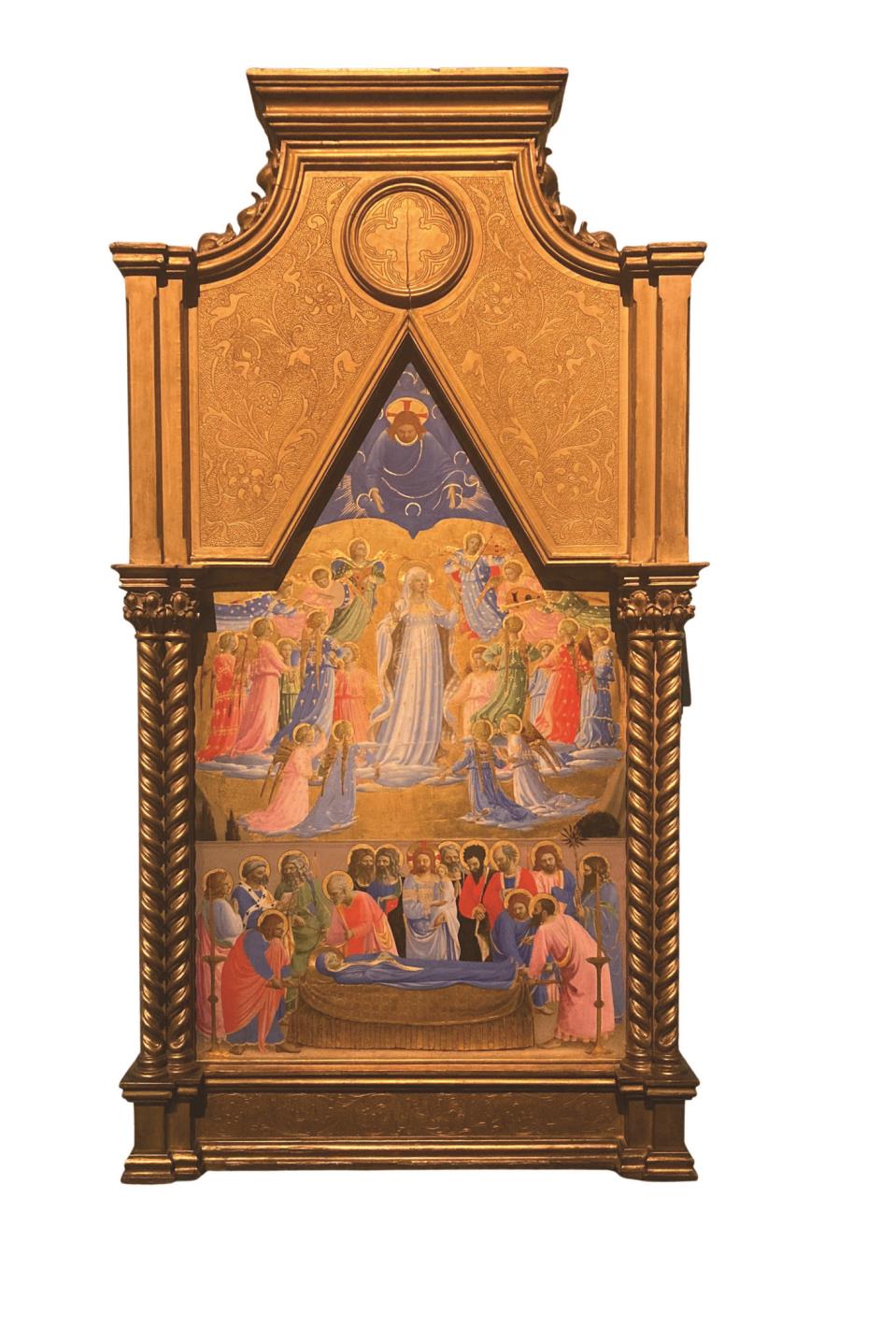
On a pale winter day, with sunlight casting soft patterns across the marble floors, I entered Palazzo Strozzi for the opening chapter of Beato Angelico, the first major monographic exhibition of the artist in Florence in 70 years. Running from 26 September 2025 to 25 January 2026, it unfolds across two sites: the palace and the Museo Statale di San Marco, the former Dominican convent where Fra Angelico lived and worked.
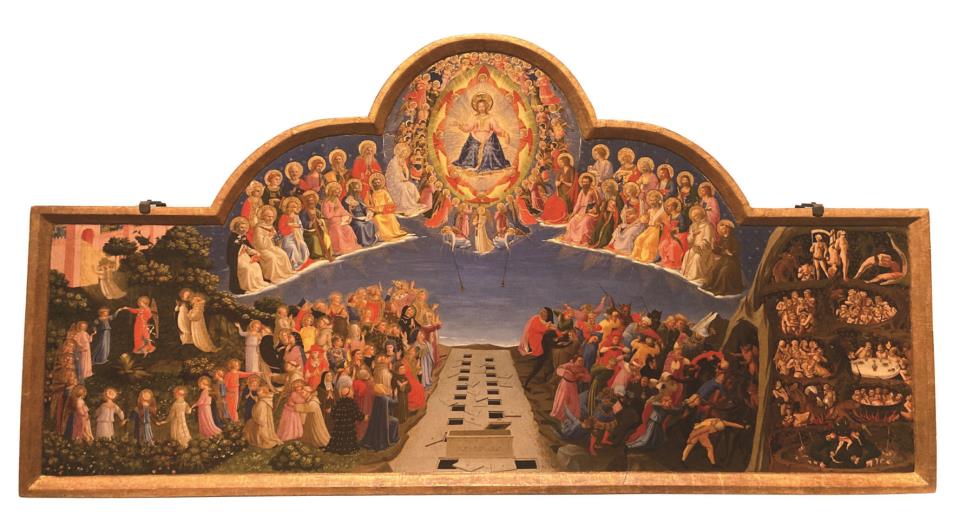
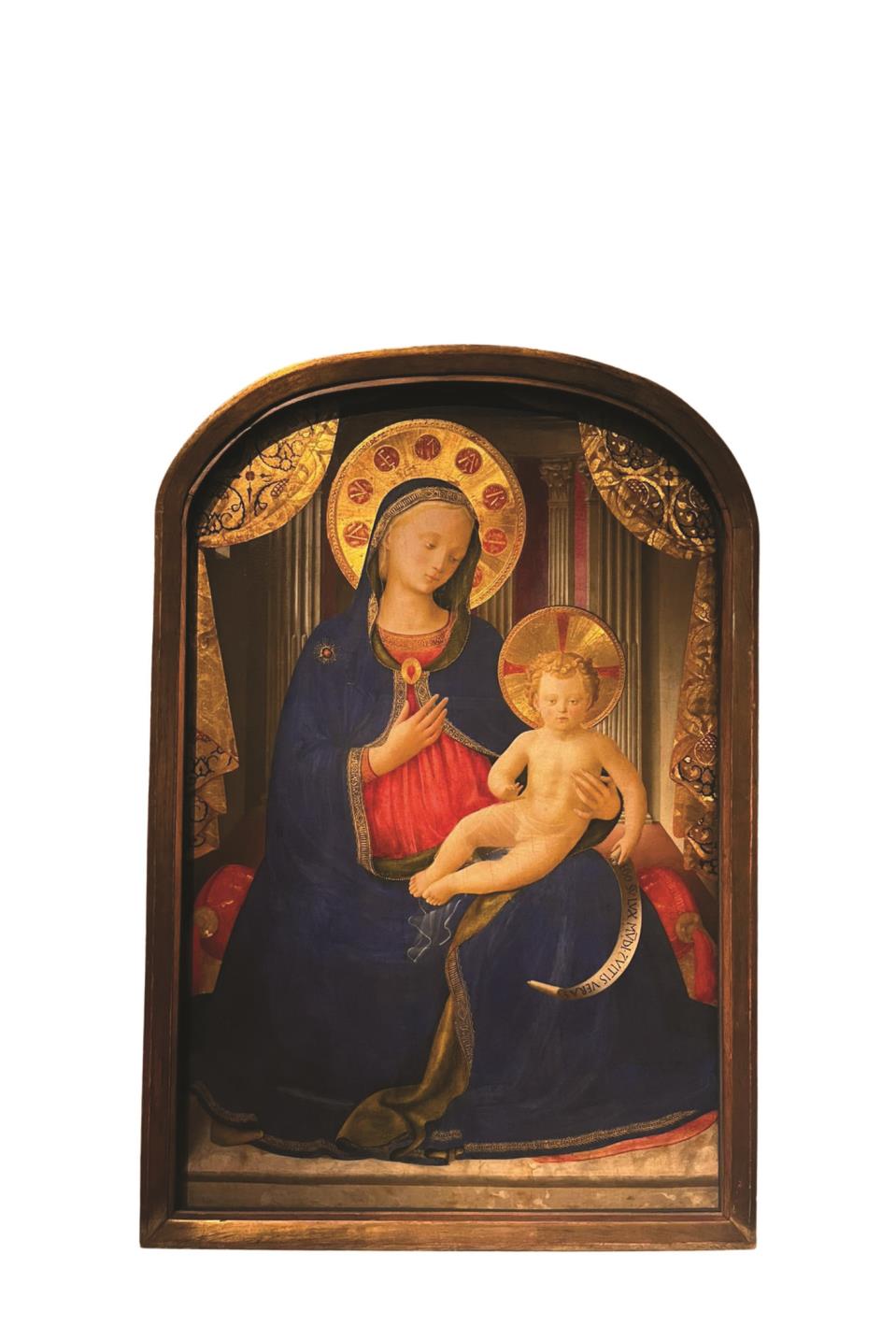
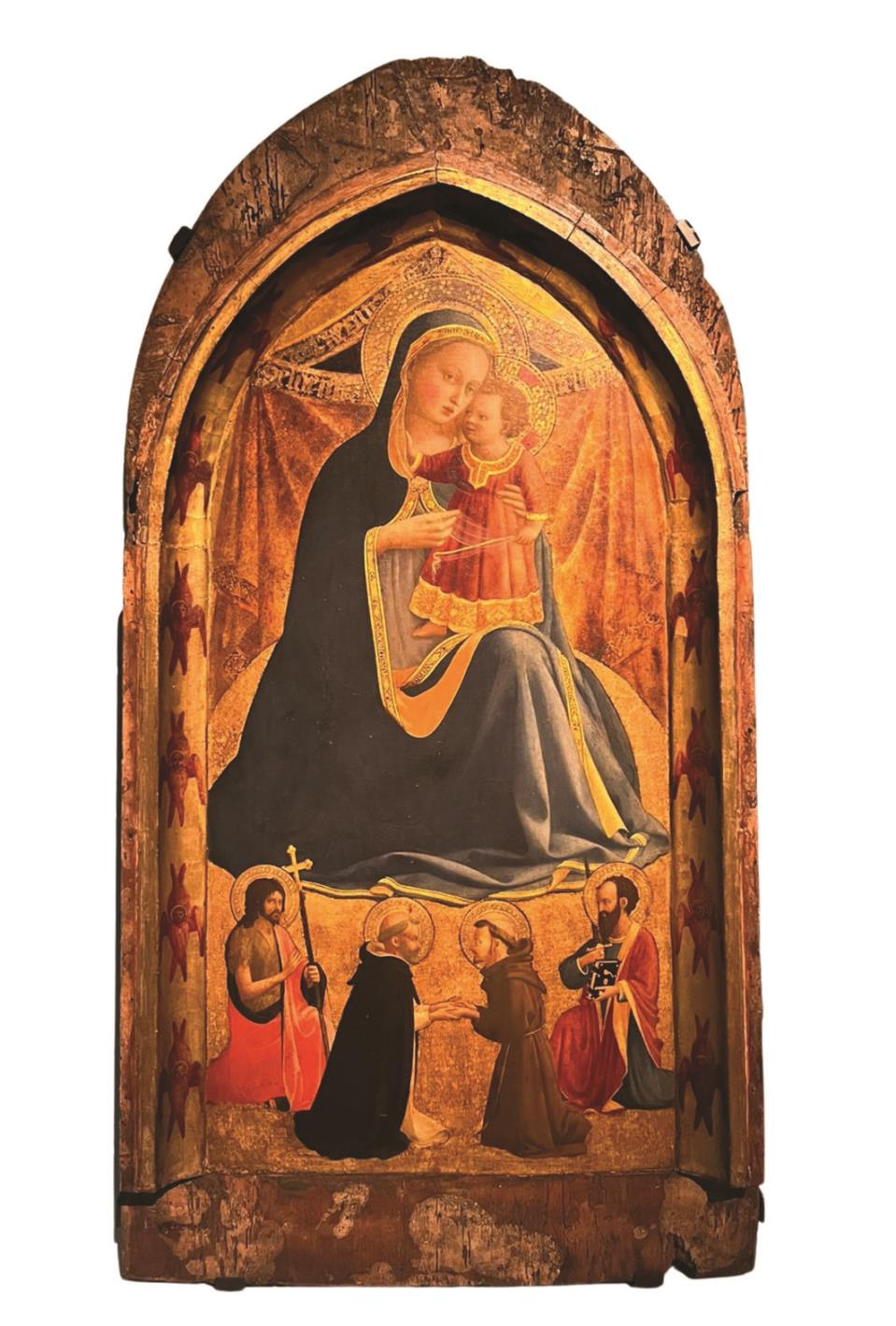
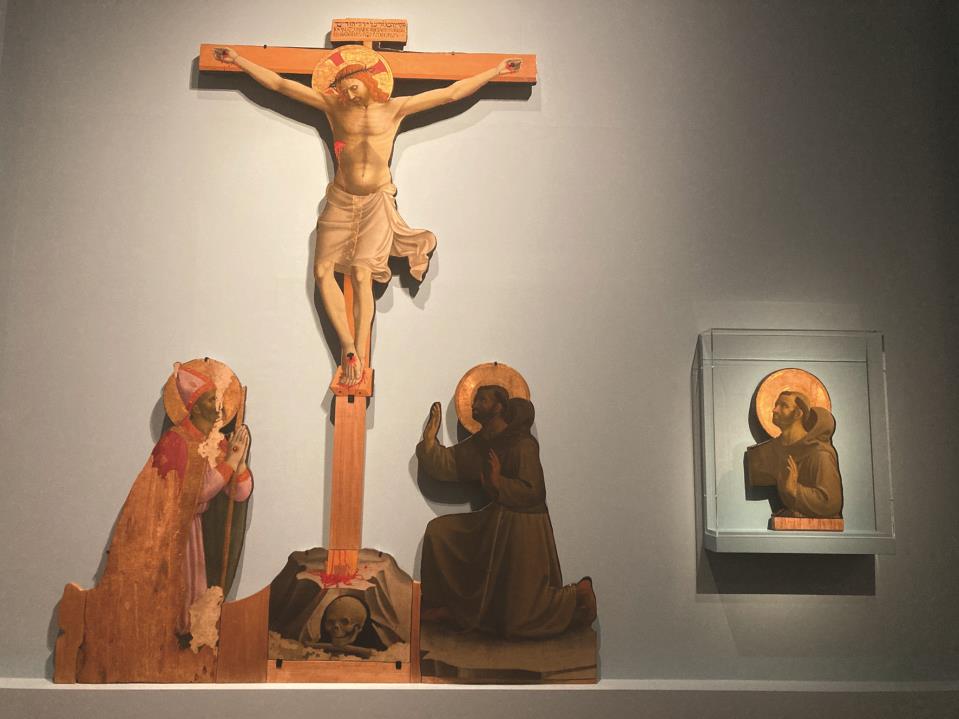
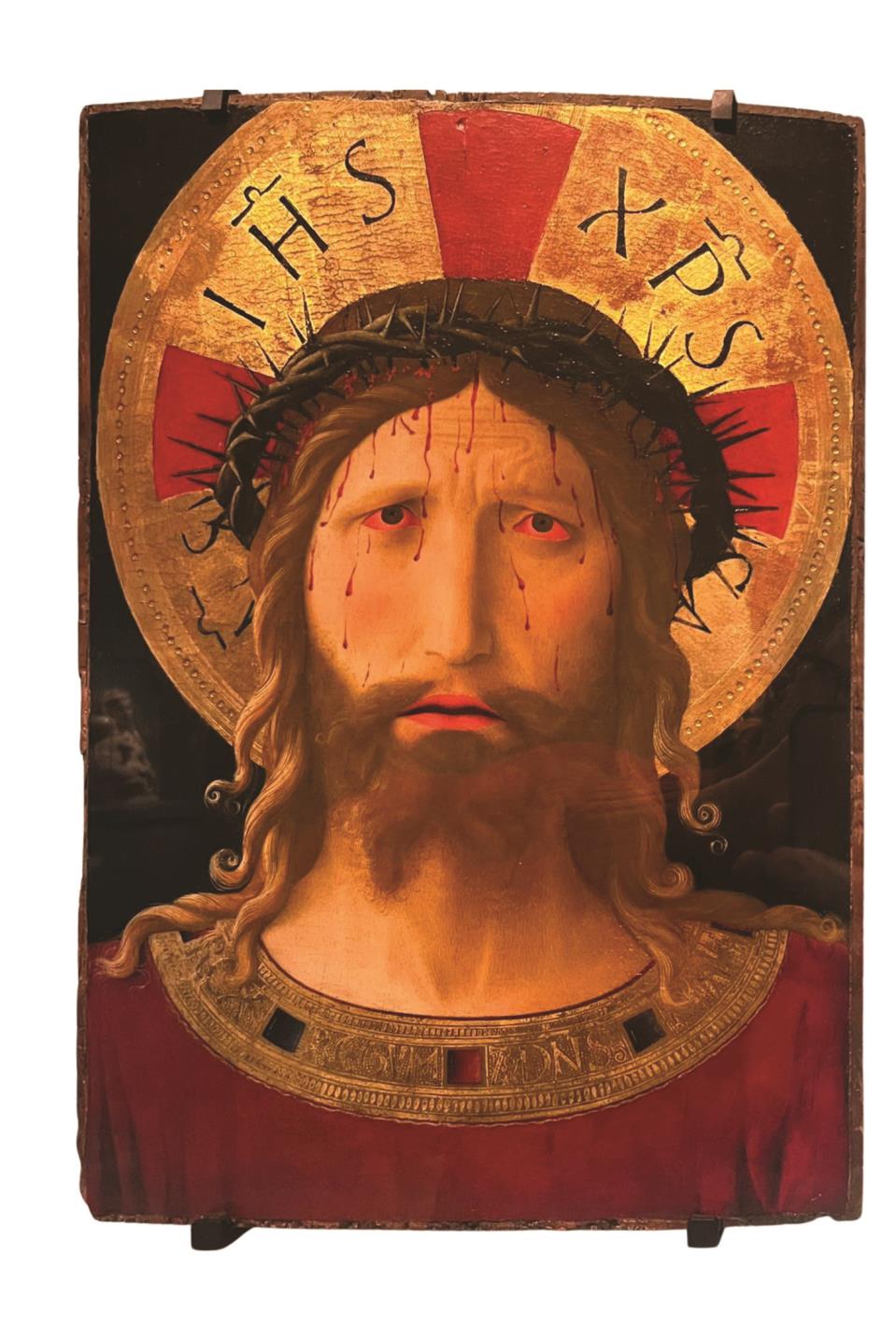
The early rooms at Palazzo Strozzi glowed with delicate halos and luminous colours, each panel seeming to hold its own quiet radiance. Days later, at San Marco, the experience deepened. To walk through the cells and cloisters Angelico once painted - to see his frescoes in situ - was to feel the rare continuity between artistic devotion and the spaces that nurtured it.
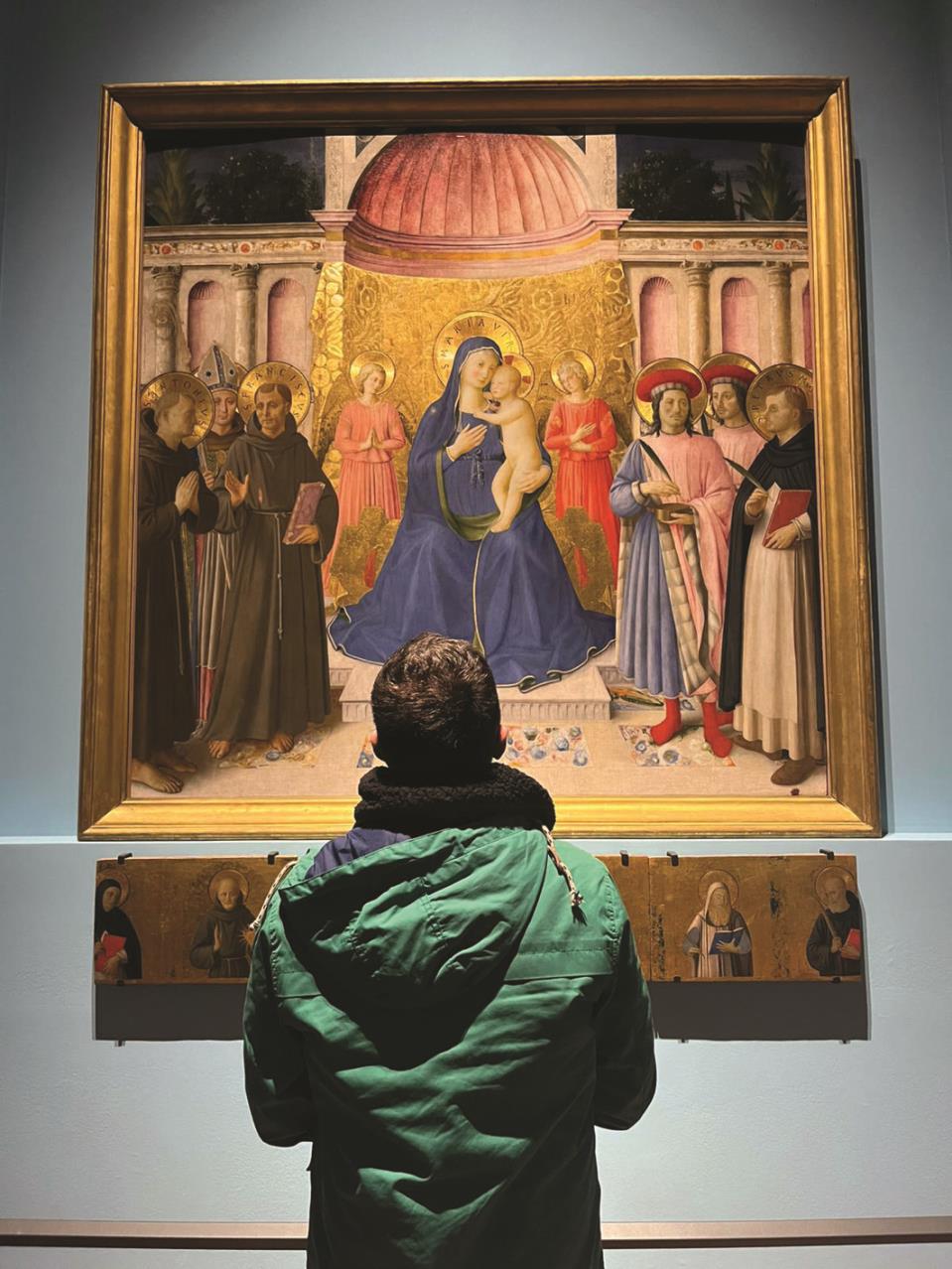
The friar who painted light
Born Guido di Pietro around 1395, Fra Giovanni da Fiesole - later known as Beato Angelico - entered the Dominican order in the early 1420s. His career unfolded between Fiesole, Florence, and Rome, shaped by the patronage of Cosimo de' Medici and the intellectual ferment of the early Renaissance. He died in 1455 and was beatified in 1982, later declared patron of Catholic artists.
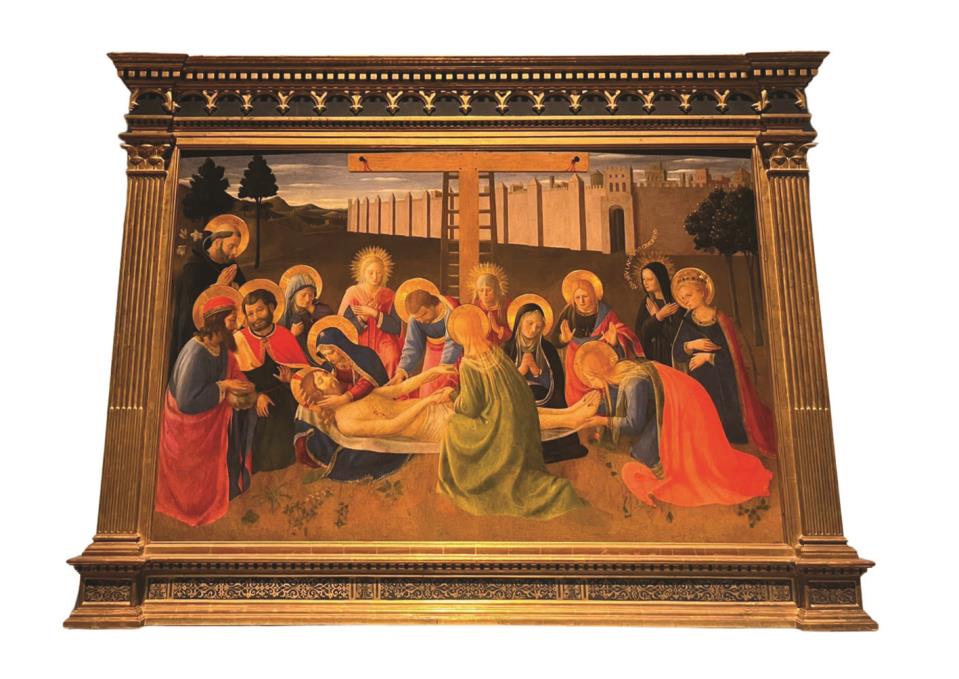
A gathering of masterpieces
The exhibition brings together more than 140 works - paintings, drawings, illuminated manuscripts, and sculptures - many reunited for the first time in centuries. Loans from the Louvre, the Metropolitan Museum of Art, and the Gemäldegalerie sit alongside treasures from Italian collections. Rather than overwhelm, the curators have crafted a narrative that places Angelico in dialogue with his contemporaries: Lorenzo Monaco, Masaccio, Filippo Lippi, and sculptors such as Ghiberti, Michelozzo, and Luca della Robbia. The emphasis is on exchange and influence, not isolated genius.
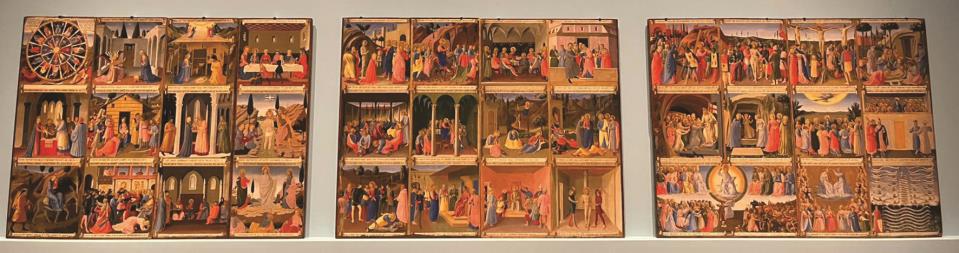
I visited the exhibition twice, each time accompanied by a Florentine friend - an art historian specialising in the 15th century. Her insight transformed the experience from passive viewing into conversation. On the second visit, subtleties emerged: Angelico's gradual move away from Gothic gold toward Renaissance spatial clarity; the increasing weight and presence of his figures; the quiet absorption of Masaccio's gravity and Ghiberti's sculptural logic.
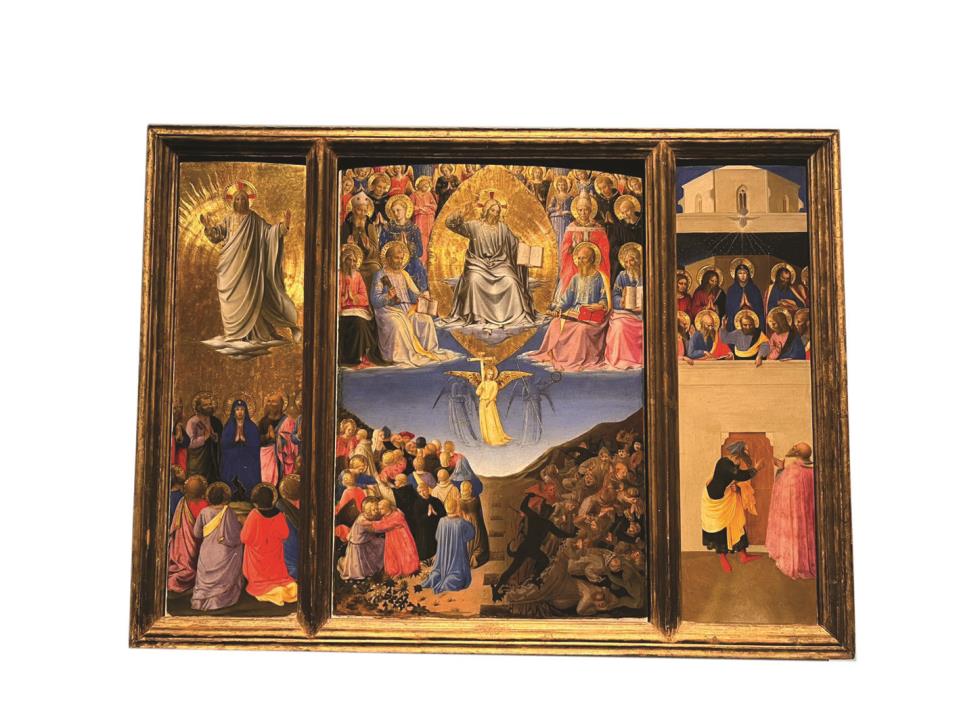
We wandered slowly, often pausing longer than expected. Some works demanded silence. An Annunciation panel held us still; a predella scene revealed unexpected narrative richness. Angelico's figures "never perform holiness. They inhabit it quietly." His art is never theatrical, even in moments of drama. What endures is sincerity - a spiritual steadiness that persists across his career.
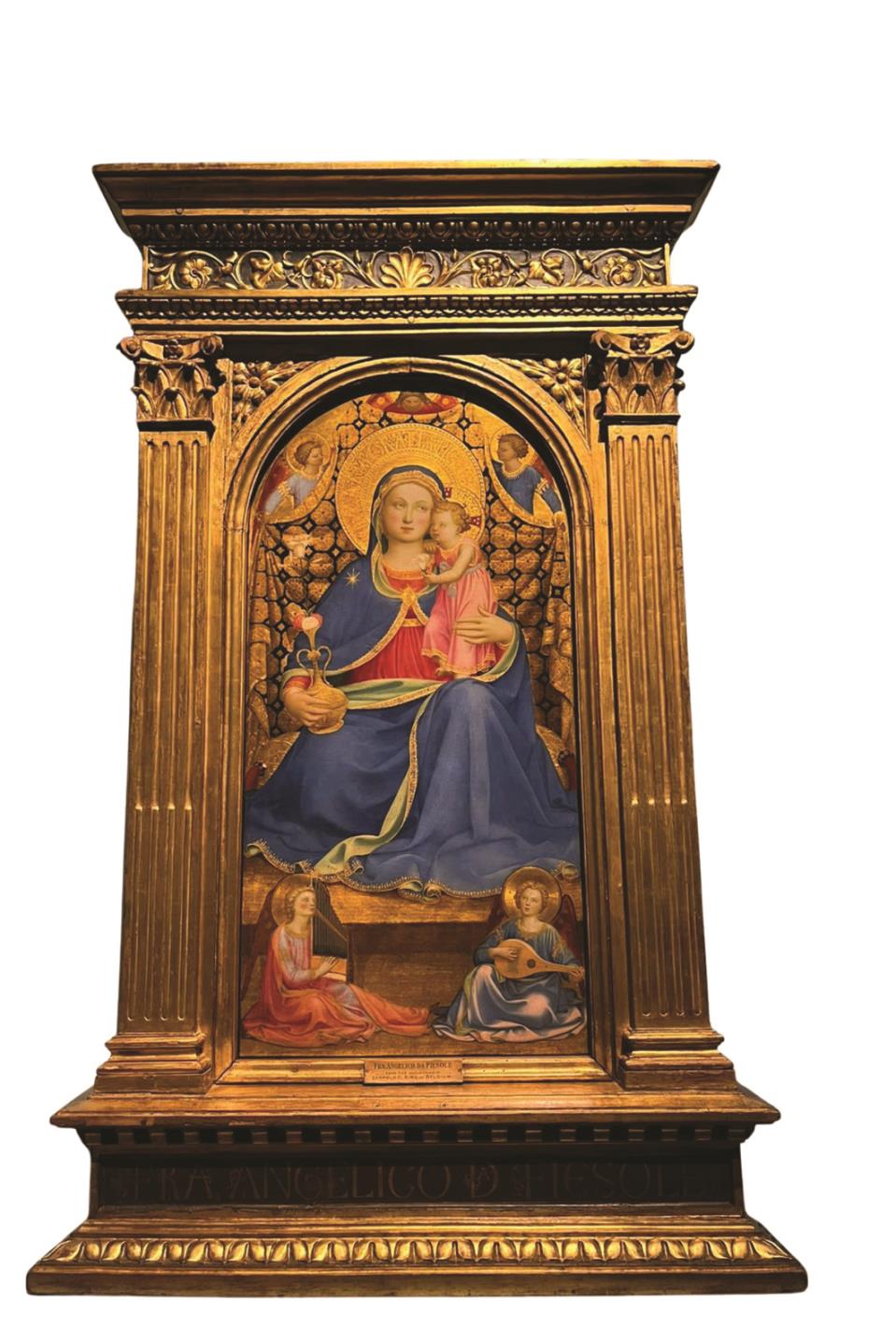
I left Palazzo Strozzi after my second visit feeling "quietly altered". Not dazzled, but steadied. Angelico's work reminds us that innovation and devotion need not be opposites, that mastery can coexist with humility, and that art can aspire to transcendence without noise.
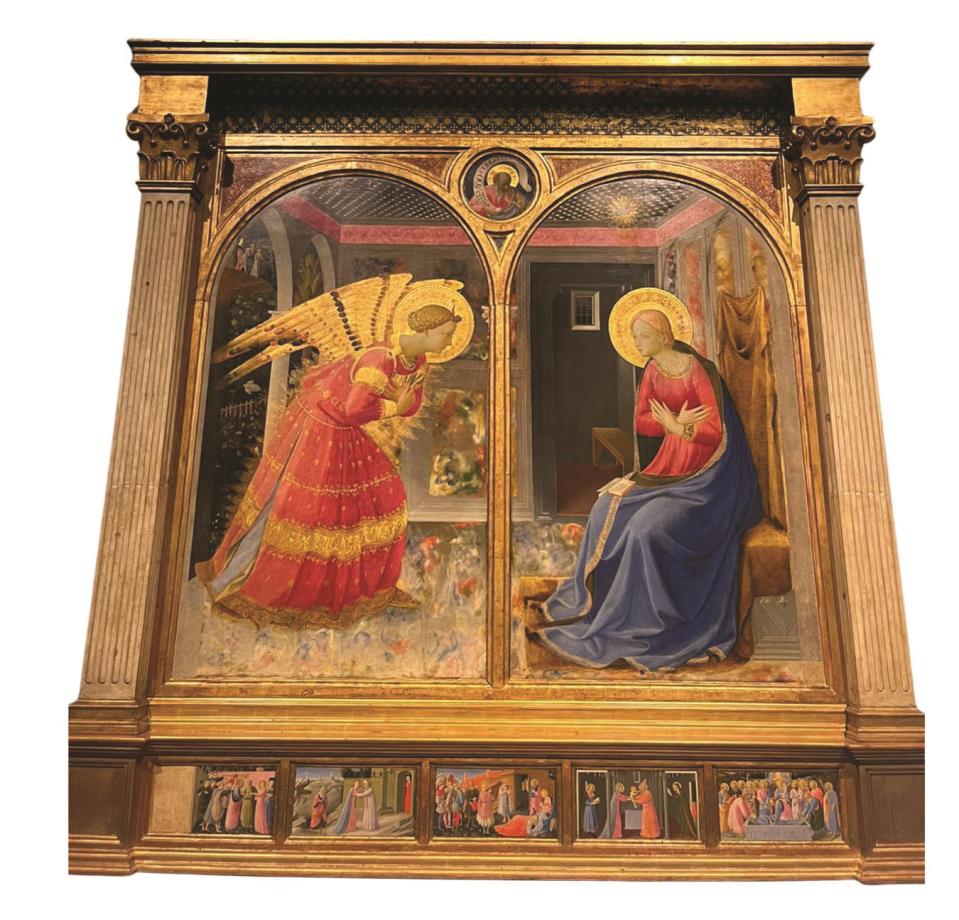
To encounter this exhibition twice, guided by someone whose knowledge is both scholarly and lived, felt like the ideal way to meet Fra Angelico: by wandering, observing, and allowing his radiant colours - "blues like the heavens, golds that glow with divine light" - to speak softly across the centuries.