The ground trembles. A bulldozer inches forward, gathering fallen stones. A loader follows, picks up soil and gently lays it on a mound. A transformation is underway. A year down the line, this once-neglected ground will become Malta's first indoor-outdoor learning centre, designed to place nature at the heart of the learning experience. This is Dinja Waħda in action: BirdLife Malta's national environmental education programme at De La Salle College.
Children today spend more of their time indoors than any generation before them. Surrounded by screens, traffic and climate-controlled spaces, many are growing up disconnected from the living world around them. In his eye-opening book Last Child in the Woods, Richard Louv coined the phrase "nature deficit disorder" to describe the cost of this separation to children's health, focus and emotional wellbeing. Like any relationship that is not nurtured by time spent together, our children's bond with nature is weakening. And yet, at a time of greater environmental challenges, there is a pressing need for earth's future stewards to understand nature and care enough to protect it.
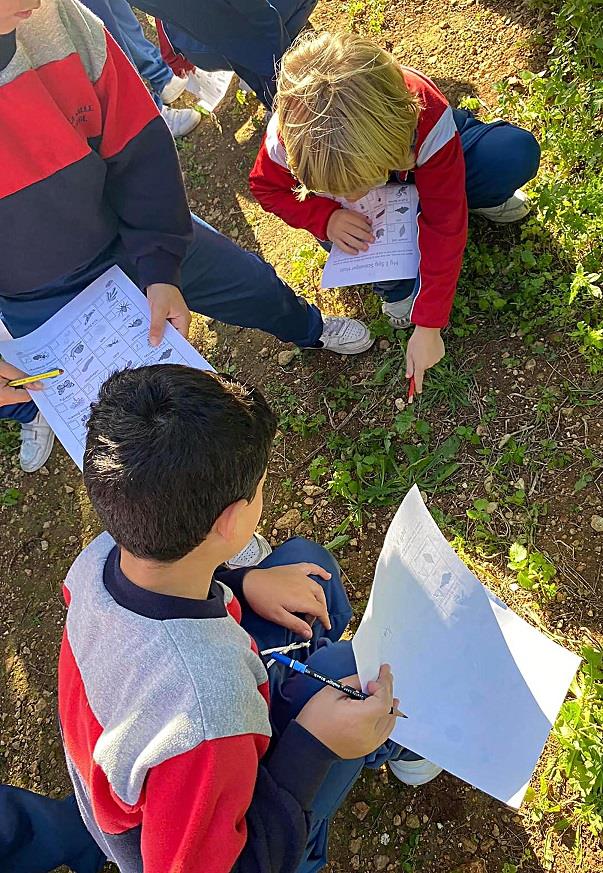
This challenge lies at the core of the Dinja Waħda mission: to reconnect children with nature. BirdLife has been working on fostering this bond through its national environmental education programme for over thirty years. Today, more than 13,000 children in schools across Malta engage head, heart and hands with nature through the programme. Dinja Waħda supports learning not only in classrooms, but through direct encounters with nature in school grounds, at nature reserves and local gardens. Teachers are supported through an action guide, resources, a dedicated online platform and training opportunities.
At De La Salle College, Dinja Waħda is breathing new life into three tumoli of school grounds that will become a hub for connecting children with nature. Neglected areas of soil and disused huts have been redesigned to embrace the programme's mission of fostering direct experiences with nature for its students. Three indoor teaching spaces will replace the dilapidated rooms on a reduced footprint, returning more land to nature. These rooms will be connected directly to the outdoor gardens through site-sensitive orientation of doors and large windows. Circulation patterns prioritise indoors-outdoors movement to support nature-based learning.
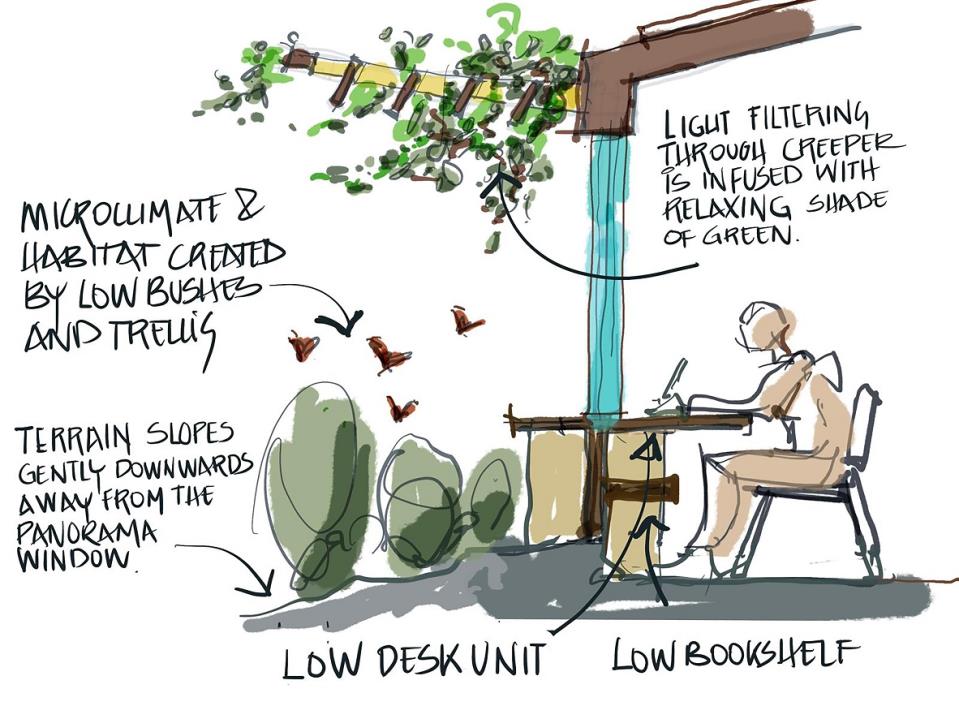
The indoor spaces have been designed as flexible classrooms, where movable furniture and modular layouts will allow educators to reconfigure the room for groupwork and independent working. Children returning from a nature observation walk can check their finds at the computer station or consult a guide from the bookshelf. Others might sit on cushions for quiet reading, update the weather chart, make a bird cake for the bird table, or pull on their muddy boots before heading back to the garden for a science lesson about leaves.
At the heart of the design is a sensitivity to nature. The natural slope of the area has been integrated into the landscaping, creating aesthetic opportunities with layered planting that simultaneously provide a variety of habitats for wildlife. Tall evergreen trees will screen the overlooking buildings, while deciduous trees will provide dappled shade in summer. Their fallen leaves will provide pockets for minibeasts and enrich the soil, while letting in light through their bare branches in winter. A footpath winds through different habitats, allowing children to interact with the garden.

The rooms themselves are designed to work with the elements, using passive heating in winter and natural ventilation to cool the building in summer. Direct lighting from large front windows is carefully balanced with soft back light from a skylight. Frugal use of material allows stones from the disused huts to be repurposed, while building debris is being used as filler material for access ramps.
Transforming children's relationship with nature is Dinja Waħda's raison d'être. Schools that believe in this mission work hand in hand with BirdLife to nurture attitudes that foster adults who respect the natural world. At De La Salle the programme has found fertile ground through the school leaders' vision and commitment.
Connecting children with nature within school environments cannot be left to chance but must be guided by purposeful design. This is because the environments where children learn matter.
After a two-year journey of planning and collaboration, the project has now broken ground and promises to become a flagship example of designing for nature-based learning in Maltese schools.

Project Green
This project was made possible through Project Green's regeneration scheme for neglected or underused land into community green spaces. The scheme supports the transformation of underutilised areas into accessible environments with ecological and community benefits, including outdoor educational spaces. The success of this project reflects the spirit of sustainability initiatives working together to protect our natural environment now and in the future.
Dr Desirée Falzon is a Dinja Waħda Field teacher and teacher trainer in nature based learning.