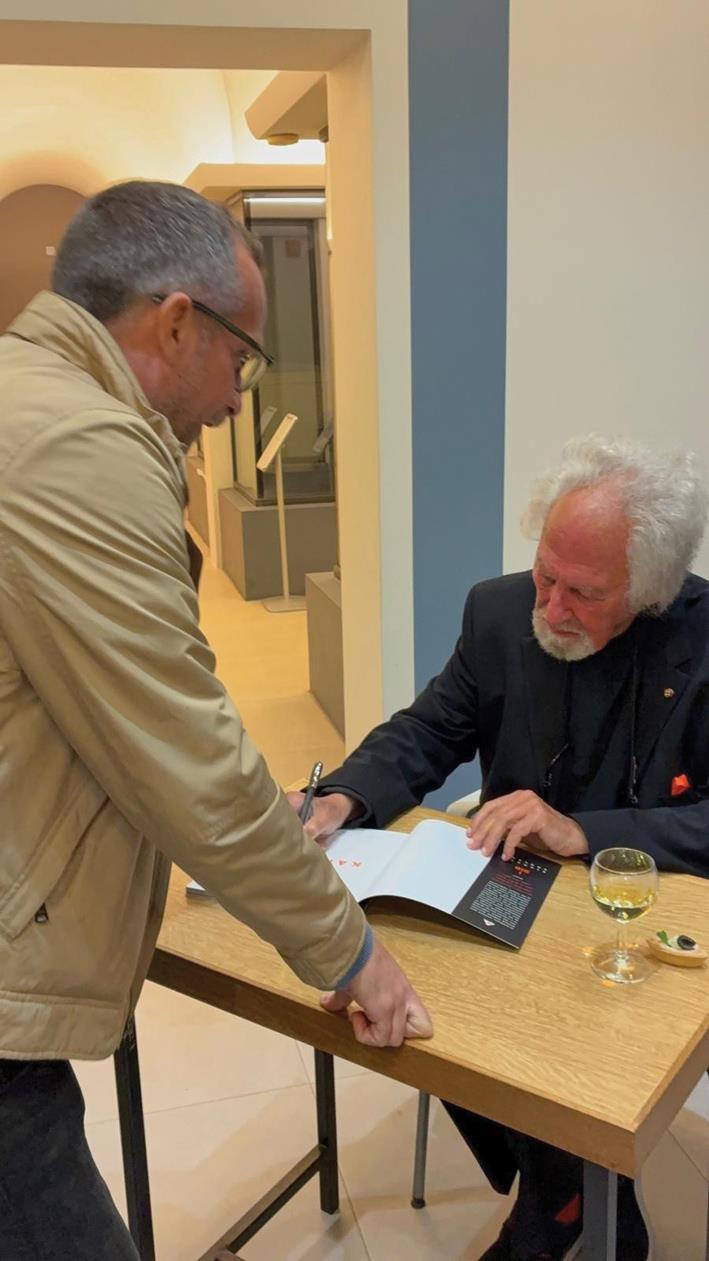
It was a windy cold, day, that I can vouch for. What brought me to the Dar tal Hanin Samaritan, which I love and which was designed by Richard England, was the launch of his latest publication Katabasis: a Stygian Odyssey There were his admirers, amongst them myself, friends, colleagues and those who collect Richard England books. It is always a pleasure listening to him. He speaks clearly in his perfect English and is often witty, making the occasional barb to the Planning authority and others who may have offended his aesthetical sense.
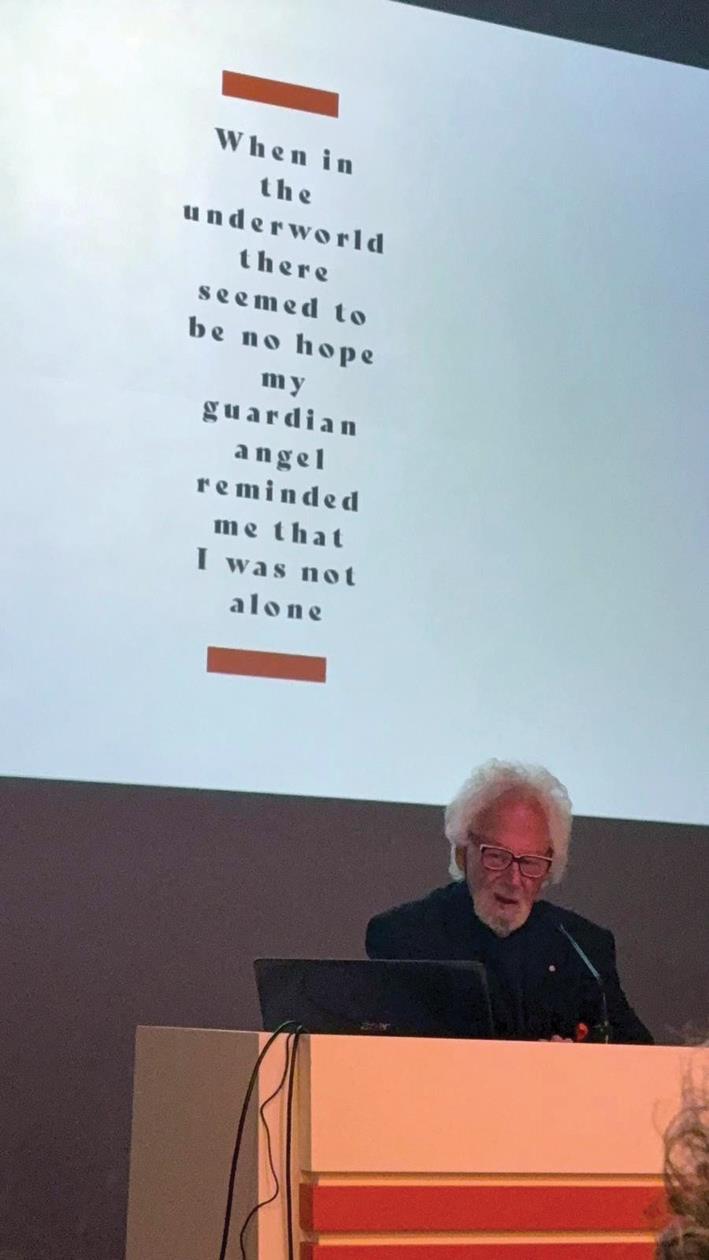
He invited listeners to "fasten your seat belts as this is going to be a rough ride," signalling a descent into the mythic and symbolic underworld - a katabasis that merges Hades with Christian Hell into what he calls Hadean‑Hell. Drawing on ancient sources from Gilgamesh to The Aeneid, he frames his journey as part of a long tradition of descents into darkness where the righteous are rewarded and the wicked punished.
He explains that his purpose is to explore the architecture of the Seven Citadels of the capital sins and to meet their legendary architect, Mulciber, as well as the Titan Khronos. He emphasizes his belief that the underworld is not a place of eternal damnation but a temporary realm of cleansing, citing scriptural lines such as "no one is cast off by the Lord forever."
England recounts entering the underworld through Bulgaria's "Devil's Throat," where time dissolves and the body becomes spirit. Guided by the shades of Cain and Judas - each defending his own legacy - he crosses the Styx and begins his tour of the Seven Citadels.
Lust, ruled by Venus, where Lilith and the Nephilim appear;
Envy, where Judas reveals hidden stories about Jesus;
Wrath, a labyrinth of magma and inversion;
Avarice, guarded by Mammon and crowned by the Tower of Babel;
Pride, home to Narcissus and Icarus;
Gluttony, domain of Beelzebub and his aviary of extinct creatures
Sloth, where idleness is punished by relentless labour.
He then meets Mulciber, who recounts his rebellion not against God but against celestial planning authorities that stifled his creativity. Mulciber boasts of his architectural feats, his use of the mythical Shamir worm, and his knowledge of hidden mysteries such as the Ark of the Covenant and Atlantis.

Finally, England encounters Khronos, who speaks of the nature of time, environmental responsibility, and the dangers of losing human compassion in the age of AI. Before England returns to the world above, Khronos warns him that although two years will have passed on Earth, he himself will not have aged. This prophecy proves true.
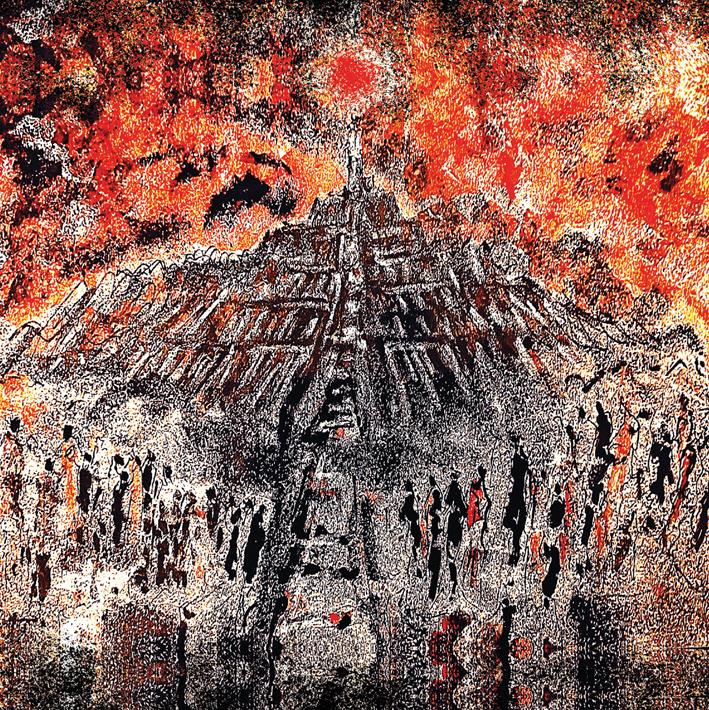
He concludes that his katabasis was a cathartic journey of spiritual cleansing, one that affirms his belief in eventual universal redemption. Finally, England encounters Khronos, who speaks of the nature of time, environmental responsibility, and the dangers of losing human compassion in the age of AI. Before England returns to the world above, Khronos warns him that although two years will have passed on Earth, he himself will not have aged. This prophecy proves true.
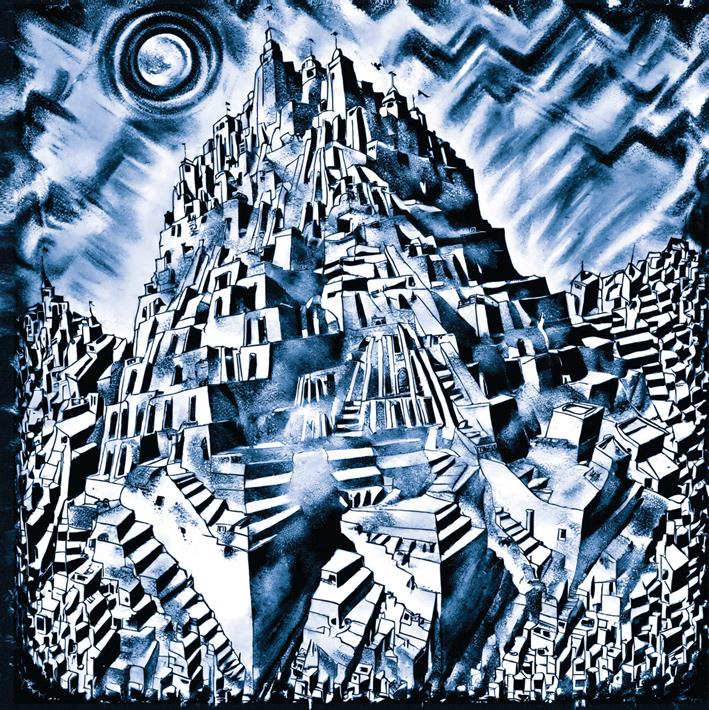
During the speech, England occasionally digressed into side narratives - most notably Judas's secret recollections and Mulciber's architectural boasts - which, while not central to the launch of Katabasis, enriched the talk with unexpected layers of mythology, theology, and personal reflection.
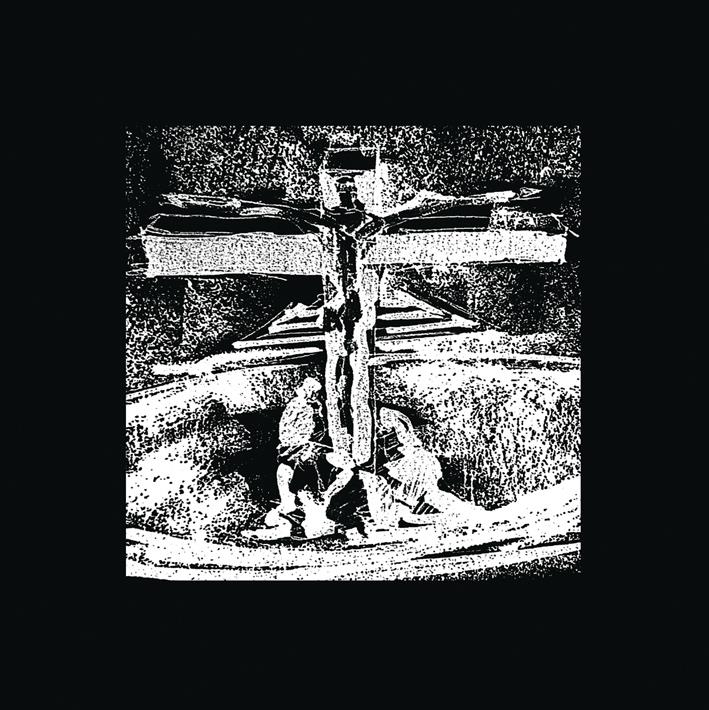
This is a richly illustrated book - all illustrations are by the author. I love the quotes some familiar, starting with Dante's terrifying: "Lasciate ogni Speranza voi ch'entrate." The first words on the page that follows this quote doesn't provide much consolation either. "Both the Bible and ancient mythological tales make definitive references to dark post-mortem underworld realms of loci for shade-souls of lifetime sinners.
I am not going to attempt to review this beautiful book, a work of art in itself. Graphic Designer is Maria Degabriele. Concepts, texts and layouts are by the author. It is published by Kite Group. There is an excellent review in the lastest issue of Treasures of Malta.