The dress worn by singer Mary Spiteri when she represented Malta at the 1992 Eurovision Song Contest in Malmö, Sweden - where her song Little Child placed third - has been acquired by Heritage Malta and will now form part of the National Textile Collection.
In a generous gesture, Mary Spiteri donated the dress to the Malta Community Chest Fund so that it could be auctioned, with the proceeds going towards those who rely on the Fund for care, treatment, or other support during difficult moments in their lives.
Designed in Milan, the dress features a magenta and fuchsia bodice with a heart‑shaped neckline and gathered pleats across the chest. The shoulder area is richly embellished with pink and pearl beading, white appliqué details, and intricate decorative work.
More than a garment, it is a tangible piece of Eurovision history - and particularly of Malta's Eurovision journey - symbolising artistic flair and national pride, as 1992 marked the first time Malta placed among the top three.
For this reason, Heritage Malta exercised its right under the Cultural Heritage Act (Act 455) and acquired the dress to further enrich the National Textile Collection housed at the Inquisitor's Palace and the National Museum of Ethnography. Conservation work will be carried out before it goes on display.
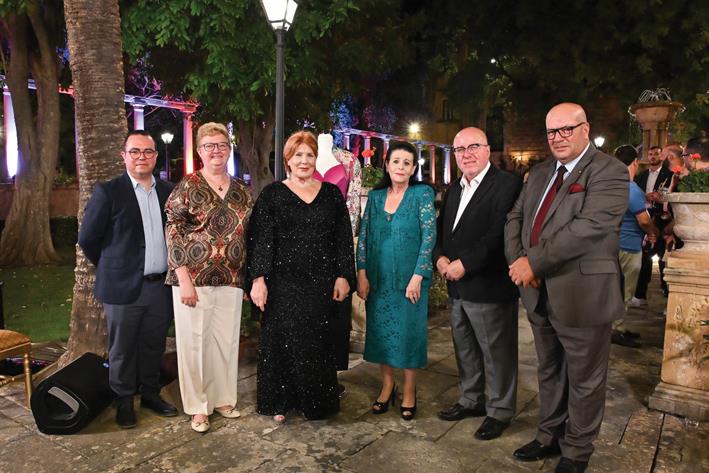
The presentation of the dress to Heritage Malta took place during an evening organised by the Malta Community Chest Fund at San Anton Palace, in the presence of Her Excellency Myriam Spiteri Debono, President of Malta, who expressed her appreciation for Mary Spiteri's gesture, which will continue to support the mission of the Community Chest Fund.
During the event, Mary Spiteri shared details about her career and about the dress itself, which she personally purchased and commissioned.
She explained that she also contributed to the design of certain elements of the dress, and that the heart‑shaped neckline and pleating were her own idea, reflecting the vision she had in mind. This makes the dress even more special and personal - not merely a stage costume, but a deeply individual artistic creation tied to one of Malta's most memorable Eurovision moments.
Guests also enjoyed an interview with Mary Spiteri, followed by a question‑and‑answer session led by Angie Laus. It offered a rare opportunity to hear first‑hand stories from Mary Spiteri's Eurovision journey, her career, and the personal significance of the dress. Afterwards, attendees had the chance to meet her in person.
The evening was organised in collaboration with OGAE Malta and attracted an audience of Eurovision enthusiasts.