It was impossible for me to attend the launch of Mela, Reggie Burrows Hodges's exhibition at MICAS that so many art lovers are talking about. It's beautiful to think he lived here quietly for a year, absorbing the winds, the stone, the light, the labour, the sea - and now Malta is looking back at itself through his eyes. With Phyllis's encouragement I found a day when I could look at the exhibition in a leisurely manner. No rushing. It is everywhere, spread across four floors. Thank God someone invented the lift.
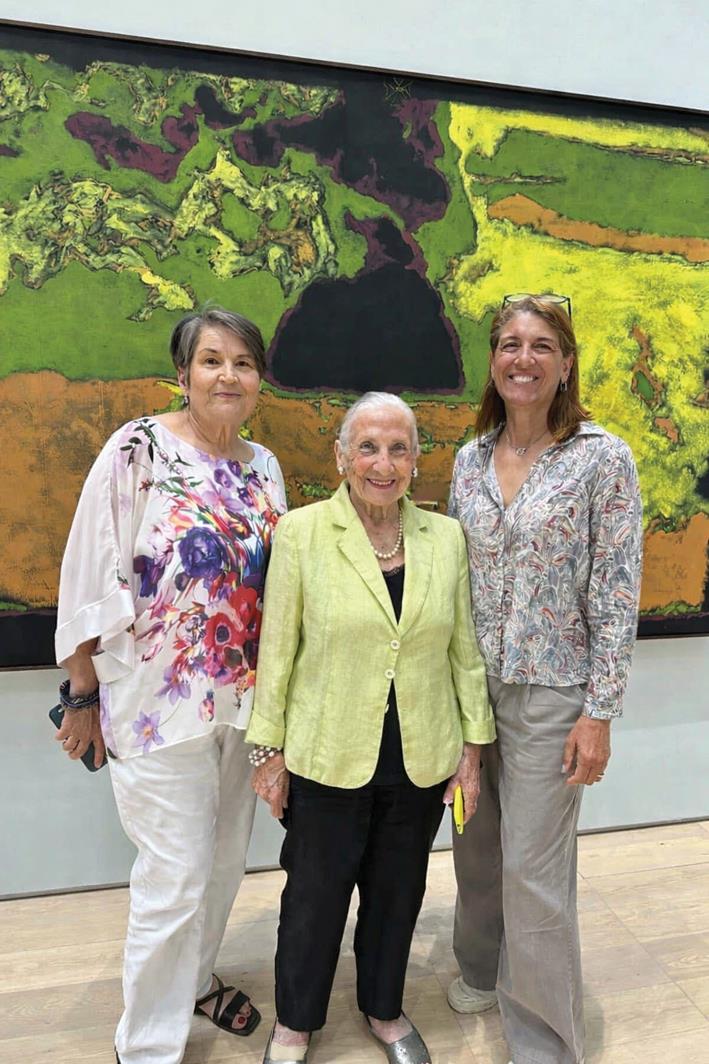
When I told Phyllis, the CEO who saw the project through from beginning to end, including the building, that I was somewhat bewildered, she soon produced Laurie Pace, their PR and Marketing Executive, to accompany me. It is not the first time Laurie has been helpful. She was a bronze medallist in judo for Malta at the Commonwealth Games in 1990 and has represented Malta in three Olympic Games, in fact. And what a good cicerone she turned out to be.
Reggie Burrows Hodges - born in Compton, California in 1965 - is American. He came to Malta in 2024 and then returned for a full, extended stay in 2025, relocating his studio to the islands specifically to create what would become Mela, his first European solo exhibition.
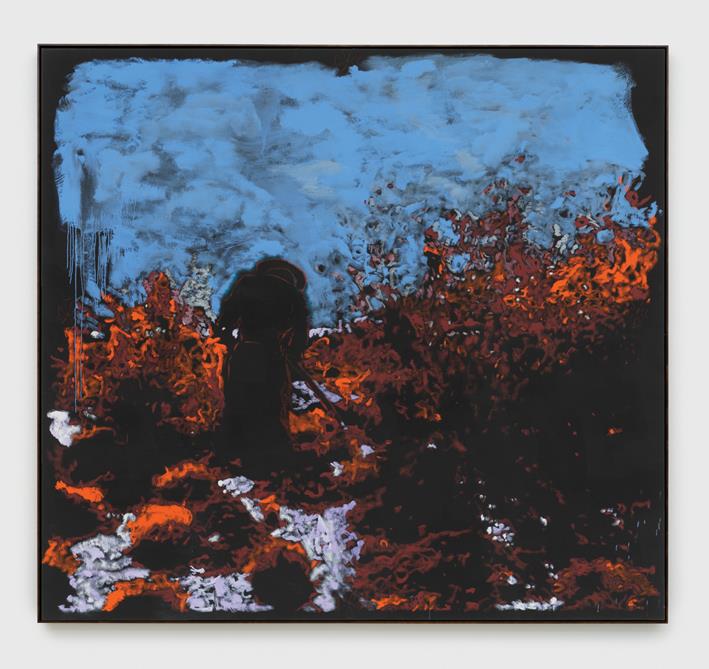
During that year here, he immersed himself in the coastline, the labouring rhythms of the island, the built environment (and all that construction), the Mediterranean's moods, and the deep and fascinating folds of Maltese history. All of this fed into more than thirty new works - the largest canvases of his career - now filling all four floors of MICAS until 30 August 2026.
Laurie immediately pointed out that the artist used a Maltese cross in red ink to sign his canvases. Intriguing. I might have missed it.
The word Mela delighted the artist : that Maltese pause-word that precedes a thought. He used it as a conceptual hinge - a way of letting Malta enter his practice.
His paintings are always built from a black ground. Somewhat gloomy, I have to say. One of them is a monumental, site-specific canvas responding to Caravaggio's Beheading of St John the Baptist - an ode in scale and gravity to the Maltese masterpiece.
There are seascapes and maritime motifs - buoys, shorelines, bathing rituals - shaped by the Mediterranean.
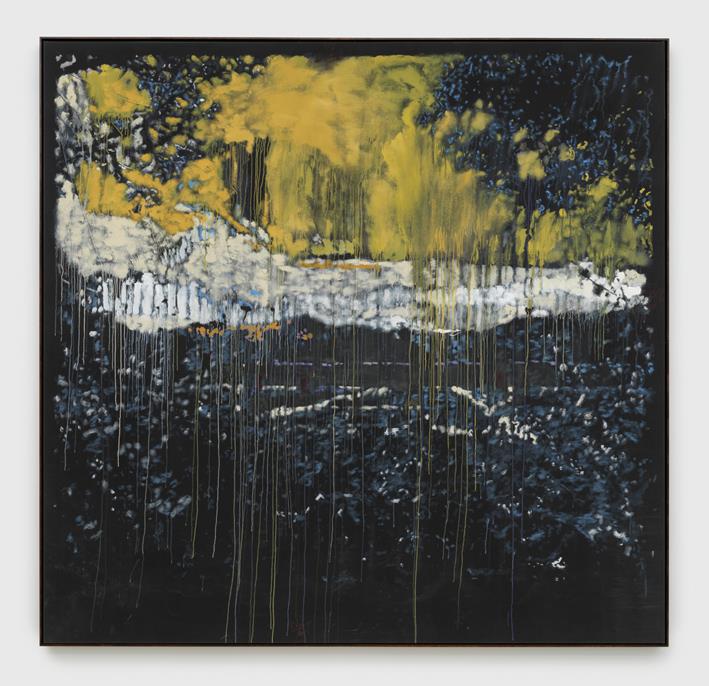
He is an internationally acclaimed contemporary painter known for his figurative, narrative paintings that explore identity, community, memory and everyday life. His work often draws on personal memories of growing up in Compton, especially focusing on Black community and resilience. His style is distinctive. Yes, the first thing he does is paint the canvas black. Figures then emerge from darkness, often with blurred or minimal features. The emphasis is on ambience, gesture and emotional presence rather than realism.
He came to painting relatively late in life and has risen quickly to prominence, with works now held in major museum collections. His connection to Malta is recent and substantial. How flattered we should be that he bothered to set up his studio here for a year. It was a deep engagement and behind it, of course, there was always the intention of shaping a major exhibition. It is thus that the title Mela, a common Maltese expression used every day, was born.
For me the most stunning was the work inspired by our Caravaggio, The Beheading of St John the Baptist - a monumental work indeed.
MICAS itself describes the exhibition as "a poem to Malta," and Hodges echoes that sentiment - a kind of love letter in paint, atmosphere and gesture. It's beautiful to think he lived here quietly for a year, absorbing the winds, the stone, the light, the labour, the sea - and now Malta is looking back at itself through his eyes.
He is important because he stands out; he blends personal memory with collective history. His paintings are often described as poetic, atmospheric and emotionally ambiguous. They don't tell a fixed story. Instead they invite interpretation. He is considered to be a major contemporary American painter and he is in Malta.
Don't miss this exhibition. Entrance on Sundays is free. There is plenty of parking space and there is a tour at 11am.
I left more impressed than ever by the work Phyllis and her team are doing. I love the building, designed by Italian architects who integrated the historical Floriana bastions so beautifully. Plenty of interesting objects and books to buy in the shop.
I do wish they would open a café at least. When I grumbled about this I was told they are working on it.