Lines + Language is one of Richard England's quieter treasures. In it he distils his lifelong belief that drawing is not merely a tool of architecture, but a language in its own right: that a line is never just a line, but a thought, a poem, a fragment of philosophy made visible.
Although not much seems to have been written about this handsome tome, it sits firmly within the family of England's graphic‑poetic works, where architecture, calligraphy, and meditation merge. It appears to be one of his artist's editions - part poetry, part graphic meditation, part architectural philosophy. Professor England has long published these small, intimate works in limited runs, almost like personal manifestos. They are beloved by collectors because they reveal the private Richard: the poet‑architect, the philosopher of silence, the man who believes that architecture begins long before the building.
And yes - what a genius he is. Malta is lucky to have him.
I do not have the varied academic background necessary to "review" such a book, but I can tell you what it is, what it feels like, and why it matters.
This volume is a quiet revelation - a return to the essence of his craft: the line. Each drawing becomes a thought made visible, a gesture that speaks before words arrive. England has always believed that architecture begins not with stone or steel, but with the intimate dialogue between mind and hand. In these pages, that belief unfolds with disarming clarity.

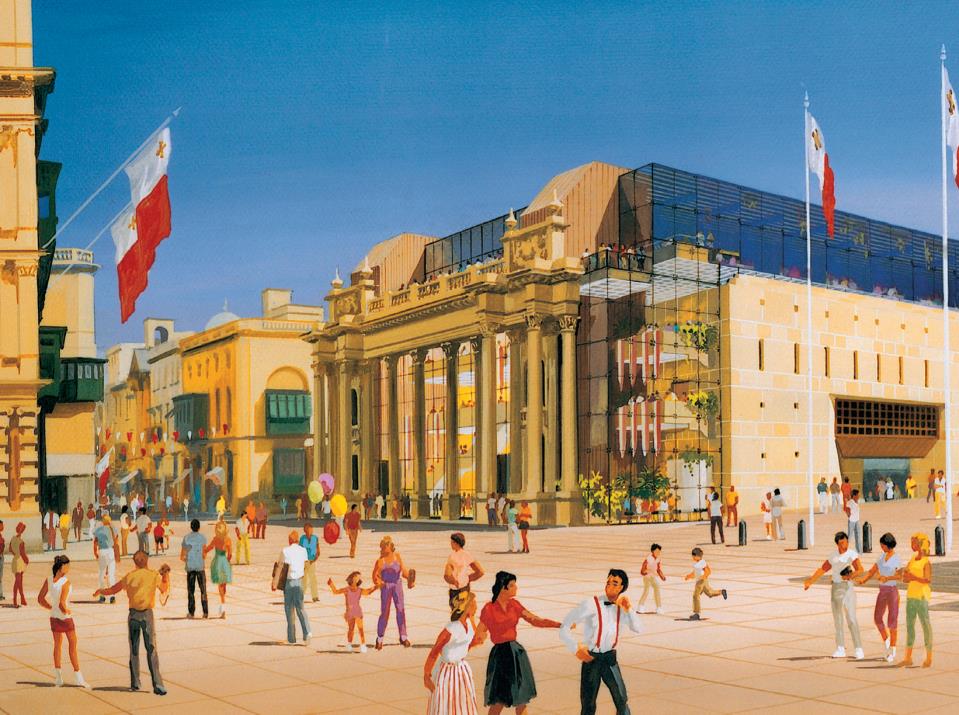
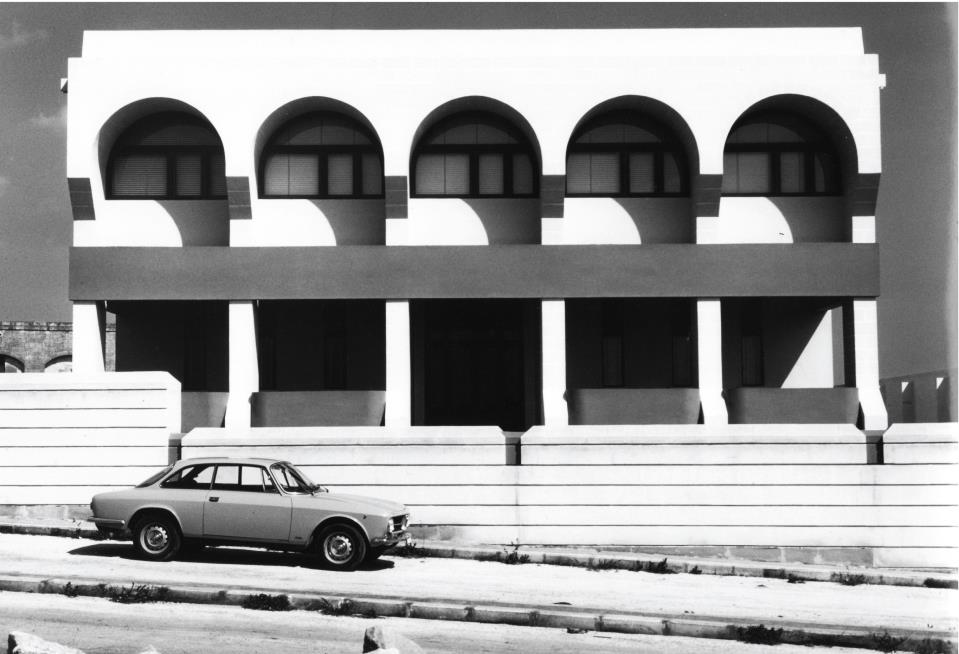
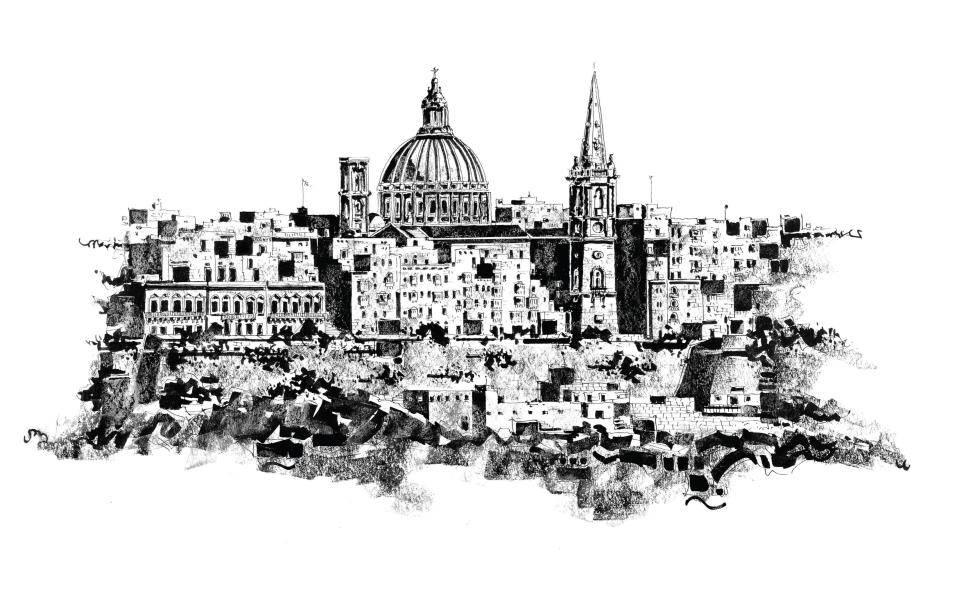
Part sketchbook, part meditation, the book gathers his distilled visual poems, and a few written poems too. There are photographs of buildings - here and abroad - the traces of a lifetime spent listening to silence and space.
For admirers of his work, Lines + Language offers a rare glimpse into the inner workshop of one of Malta's most singular creative minds. For new readers, it is an invitation to discover the architect as poet, the poet as draughtsman, and the draughtsman as philosopher.
It is the kind of work an artist produces when he has lived long enough, thought deeply enough, and refined his language to its purest form. The book carries that sense of culmination, of a circle quietly closed. A monumental volume of 184 pages, it gathers the essence of a lifetime spent drawing, writing, and dreaming architecture into being. This is not a book one leafs through lightly; it is a work to be held with both hands - in my case, on a table, as it is too heavy otherwise. The quiet philosophy that has shaped his long creative journey is present throughout.
It is full of beautiful quotes and aphorisms - his own and those of friends, mostly eminent men - all worth remembering. They are great teachers.
It feels significant because so much time and thought have clearly been poured into it. It has the quiet gravity of a late‑career testament. The drawings are not tied to buildings but to states of mind. The language is pared down to its essence - almost haiku‑like. The book feels like a private notebook, a cahier made public. It is deeply personal. Not a monograph, but a self‑portrait in lines: a final gathering of the language he has spent a lifetime refining.