The Malta Film Commission has launched important initiatives to promote, facilitate and incentivise the upskilling of Maltese crew working in the film industry, including the publication of the first Screen Industry Standards Framework and a Scholarship fund of 2 million euros for training and upskilling.
Details of these and other significant steps were shared during the Mediterranean Film Festival conference ' Taking the Film Industry to the Next Level: Upskilling the Film Workforce in Malta.'
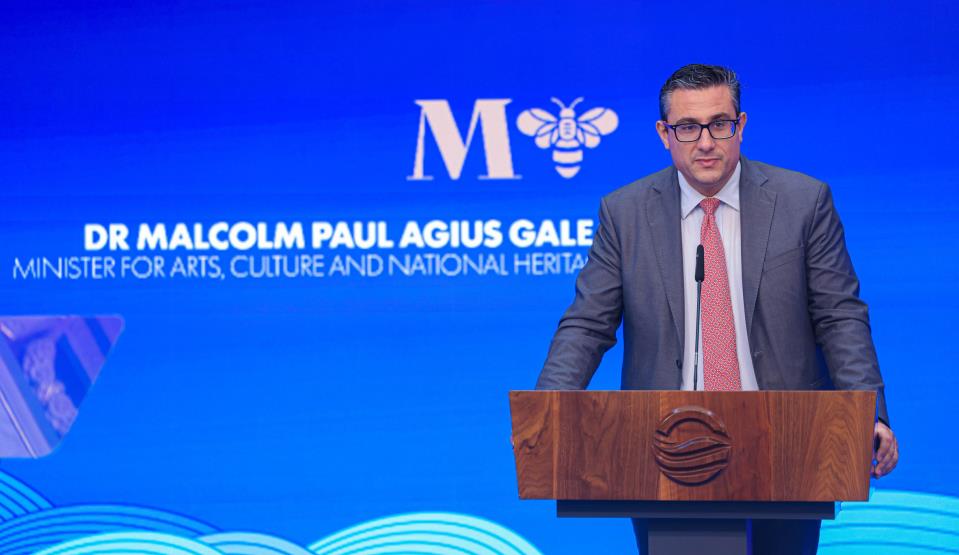
Minister for Arts, Culture and the National Heritage, Malcolm Paul Agius Galea, reflected on his personal connection with the film industry, recalling his experience working as a set medic on Gladiator II.
The Minister siad that Maltese crew are amongst Malta's greatest potential in the film industry, saying: "We want our crews to have every opportunity not only to work but to grow, to level up, to sharpen their craft, and to be rewarded accordingly. Upskilling is not simply a professional advantage; it is a mark of respect for the people who dedicate their careers to this industry. When we invest in skills, we invest in dignity, ambition, and the long-term well-being of our workforce."
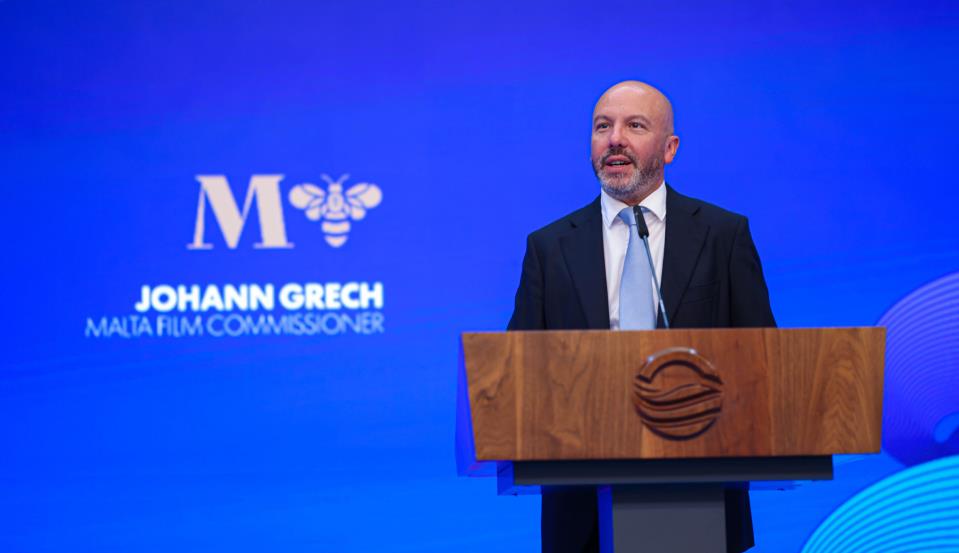
Film Commissioner Johann Grech explained that "taking the film industry to the next level by upskilling the film workforce in Malta will guarantee opportunities and long-term sustainability for those already working in the industry, and open doors for a new generation to build lasting careers in Malta' s film sector."
The commission's strategy to upskill crew members in Malta is based on four pillars: research into current skills, a new framework of industry standards, the introduction of Opportunity For All labs, and the scholarship fund.
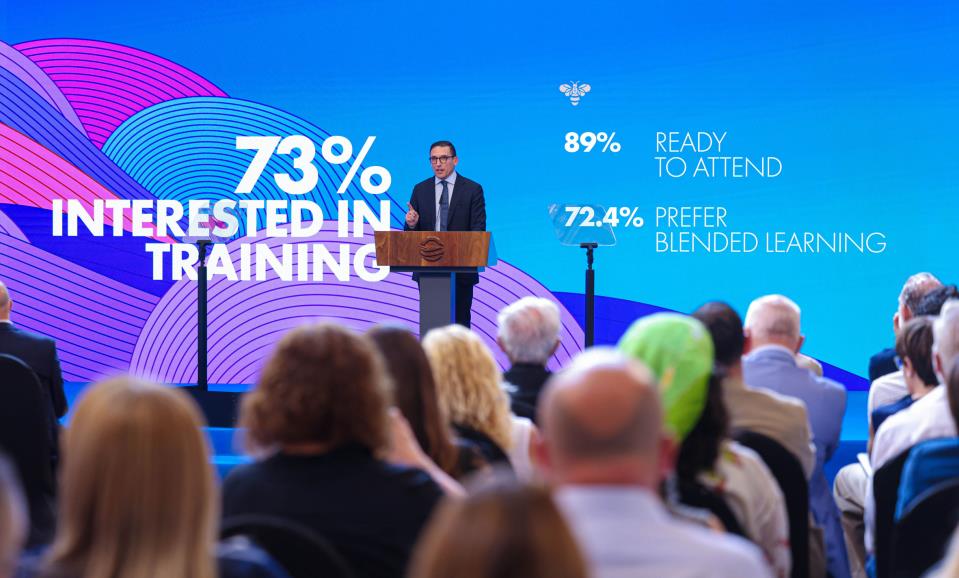
Dr Frank Fabri, in his keynote speech, outlined in detail how these four pillars constitute the upskilling ecosystem in Malta. The Screen Industry Standards Framework provides, for the very first time, a structured framework that defines the knowledge, skills, responsibilities, and progression pathways for film crew roles across every department. In total, 21 Departmental Standards Frameworks will be developed, with the first seven launched during this week' s festival, covering production, direction, camera/DIT, costume, accounts, post-production, and hair and make-up. Another initiative is the introduction of the first Opportunity For All labs already taking place this week during the festival in collaboration with Film London. The scholarship fund will enable people working in the film industry to participate in courses enhancing their skills, sponsored by the Malta Film Commission through a fund built from contributions by productions benefiting from the cash rebate. The scheme can now be implemented given that the necessary funds are in place and the launched framework ensures proper governance.
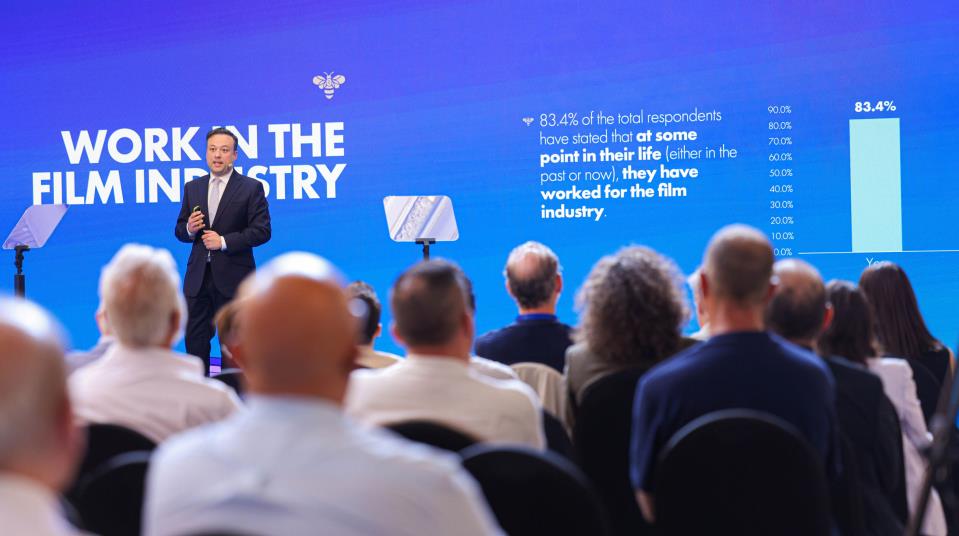
A study published by Professor Vince Marmara at the conference has also confirmed the Maltese Film Crew's willingness to participate in training initiatives.
Meanwhile, independent economic data confirms that opportunities for work in the film industry have grown considerably in recent years. Film activity supported around 500 full-time equivalent jobs annually from 2005 to 2017. Since 2018, this figure has increased fivefold, reaching approximately 2,500 jobs per year, and peaking at 6,500 in 2023.