A new Heritage Malta exhibition at the National Museum of Natural History in Mdina explores the complex relationship between fashion and nature across the centuries. Historical garments, alongside striking displays of the animals that supplied their materials, prompt visitors to reflect on environmental and ethical concerns.
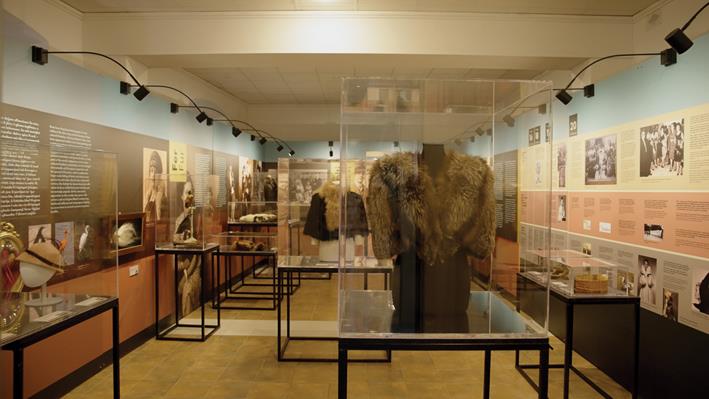
The exhibition runs until the end of September. Since prehistoric times, animal skins, fur and feathers have shaped human life, serving both practical and symbolic purposes. Mammals, birds and sometimes reptiles were prized not only for food but also for materials used in warm clothing against harsh weather, and in decorative, ceremonial and military contexts.
As societies developed, these natural materials evolved into markers of wealth and power, and later into increasingly contested items shaped by environmental and ethical concerns. Forming part of Heritage Malta's Espresso exhibition series, 'Fashion and the Birth of Nature Conservation' traces the evolution of fashion, society and attitudes towards nature - from the exotic New World feathers that dazzled 16th-century collectors and courts to today's synthetic alternatives. Whilst examining the latter's sustainability, the exhibition explores the role of activists, legislation and public awareness in curbing exploitation and promoting protection.
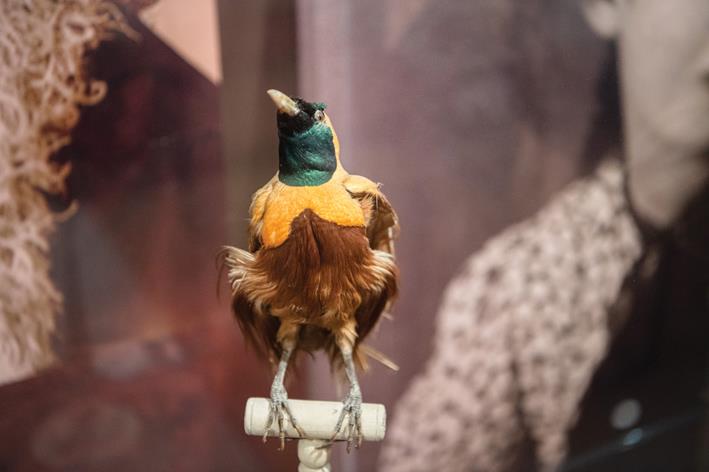
A particular highlight is the story of two bird conservation societies founded by women on opposite sides of the Atlantic at the end of the 19th century. Through conservation, these women claimed a public voice and challenged male-dominated spaces. Visitors will encounter rare fashion items, mostly from the 20th century.
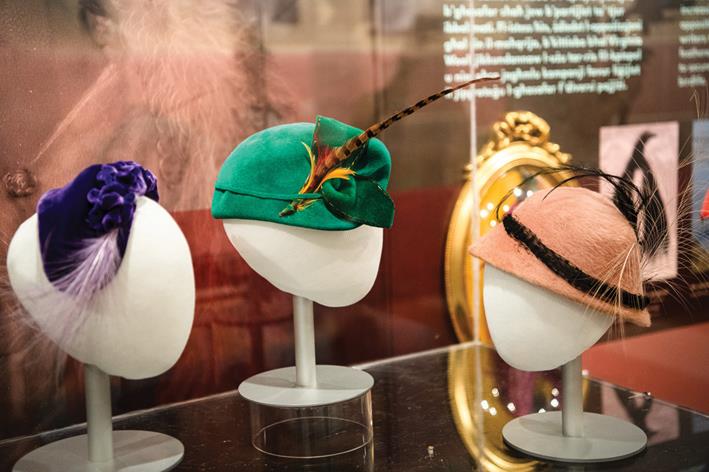
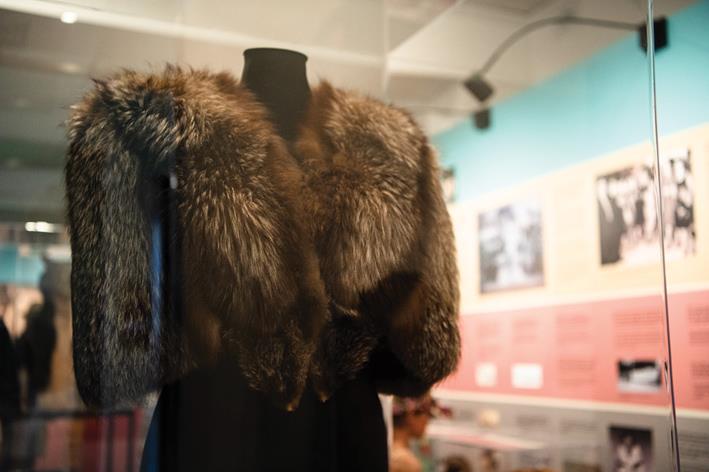
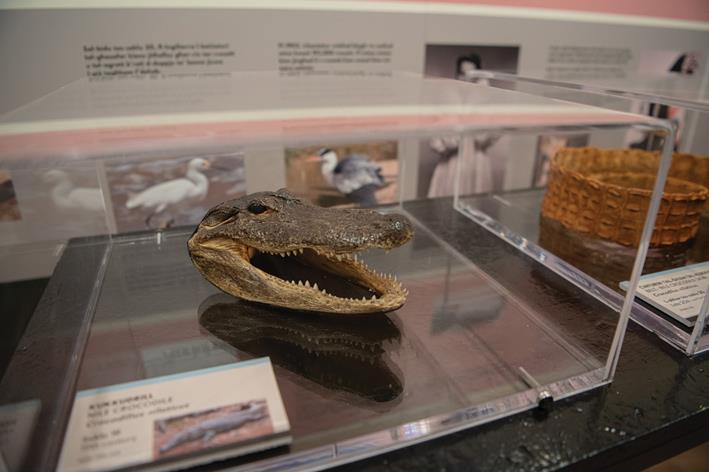
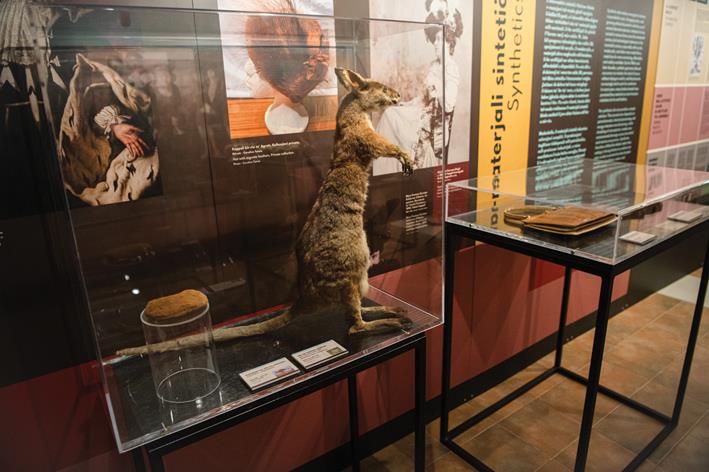
These range from fox, weasel and ostrich stoles to coats, gloves, and quirky accessories such as the kangaroo fur purse and bold plumed hats and fascinators. Particularly fascinating are the taxidermy examples of animals which supplied such materials, including a North American ritual head dress made of an American Black Bear.
The display also reveals intriguing glimpses of the local scene: from the muses of Maltese fashion through the years to the little-known rabbit-fur trade, as well as Malta's first documented milliner, Marie Thérèse Xavièr Cauvin, who worked opposite St John's Co-Cathedral in Valletta. On an official visit to the new exhibition, Heritage Malta's Chief Executive Officer, Noel Zammit, commented: "This exhibition quite literally fits like a glove with Heritage Malta's mission to spark curiosity, foster learning, and show how heritage is woven into our everyday lives, even in the garments we wear. It celebrates fashion as a meeting point of history, the natural world and conservation science.
All of this, whilst reminding us of nature's enduring influence on human creativity and how mindful choices can make a meaningful difference."