Whose experiences are preserved as part of history, and whose are left scattered among private collections, memories, forgotten records, or simply discarded as rubbish? The creation of archives dedicated to underrepresented histories reveals not only gaps in preservation, but also the evolving ways societies choose to remember, research, and understand their past. Women's history, or herstory, has often been fragmented and undervalued. To help address this gap, the University of Malta has taken the initiative to bring women's experiences and contributions to greater prominence.
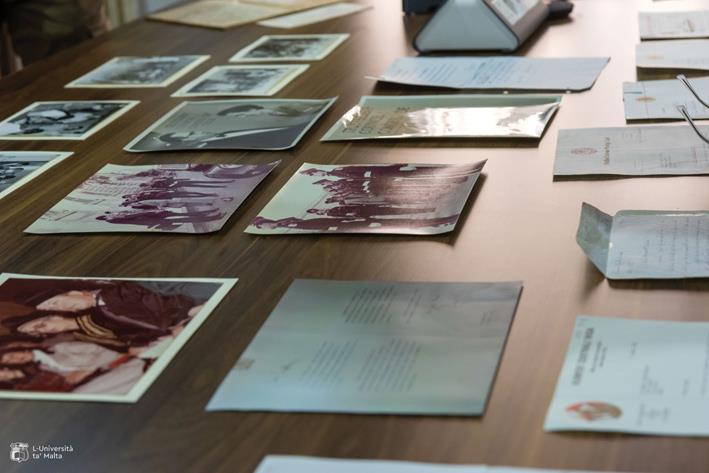
In 2025, the University of Malta launched its Women's Archive, a joint initiative by Library Services and the Equity Office dedicated to preserving and expanding access to materials relating to women's histories. The initiative entered a new phase last June, when a partnership with the Bank of Valletta, through the BOV Foundation, secured funding for a Research Support officer to help advance the archive's ongoing development. Its direction is guided by a multidisciplinary committee chaired by Dr Simone Azzopardi, bringing together representatives from the university's library, equity, and academic communities alongside wider archival perspectives, including Prof. Carmen Sammut, Kevin Ellul, Dr Joan Abela, Prof. JosAnn Cutajar, Nadia Abdilla, and Chrisallo Borg.
The Women's Archive addresses the longstanding gap in the representation of women's histories within Malta's archival landscape. By bringing together materials that document women's experiences, achievements, and contributions, the archive seeks to broaden understandings of their roles across both public and private sectors. Its scope extends beyond accounts of prominent figures, recognising the importance of everyday lives, personal documents, and less visible histories in building a more comprehensive understanding of Malta's social and cultural development. In this manner, it provides a framework for recording the diverse ways women have participated in and influenced Maltese society, whether through professional activity, creative practice, community involvement, or any other capacity.
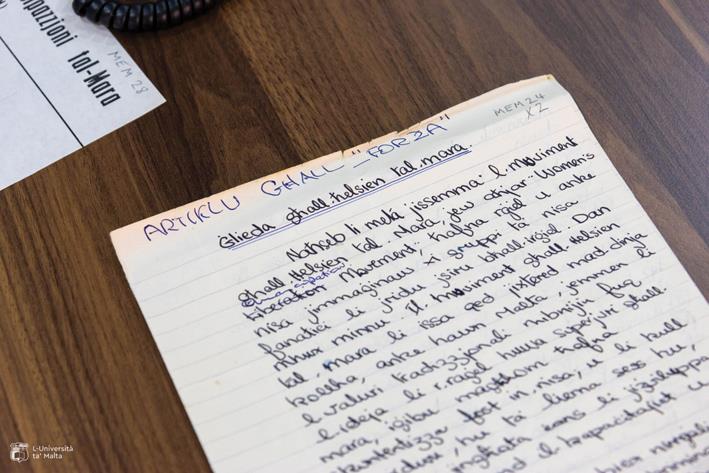
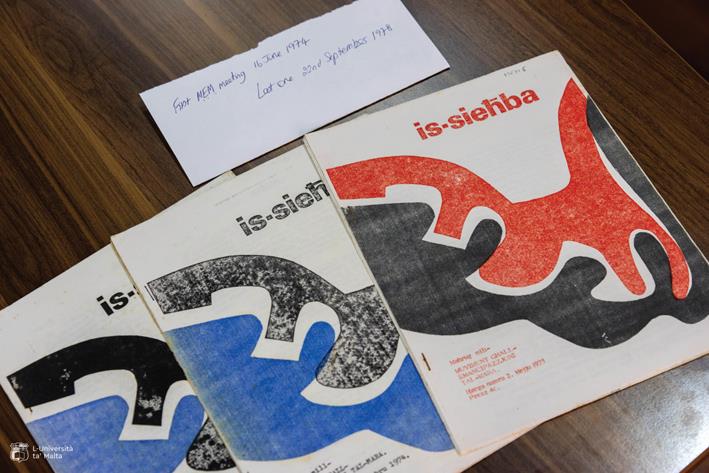
Building on this broader institutional framework, the archive's significance lies not only in what it preserves, but in the range of materials it actively seeks to gather. Its acquisition policy encompasses a wide variety of sources, from personal and organisational papers and photographs to audio-visual records, publications, digital materials, and other relevant artefacts relating to women's histories and lived experiences. These materials are drawn from both individuals and organisations, among which are already the Kollezzjoni M.E.M. (Moviment għall-Emanċipazzjoni tal-Mara), The Agatha Barbara papers: correspondence, reports and other miscellanea, as well as The Rose Lapira Collection.
The accessibility of the archive depends not only on preservation, but on how its collections are organised, interpreted, and made available. Through cataloguing, digitisation, and systems of reference, the archive enables greater engagement with its materials while shaping how these collections are encountered and understood. In the case of the Women's Archive, this ensures that materials relating to women's histories are not only preserved but integrated into wider archival structures, creating opportunities for research, learning, and public engagement.
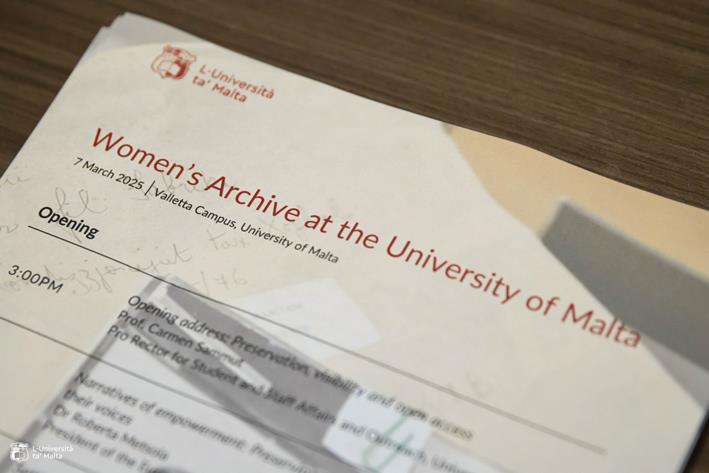
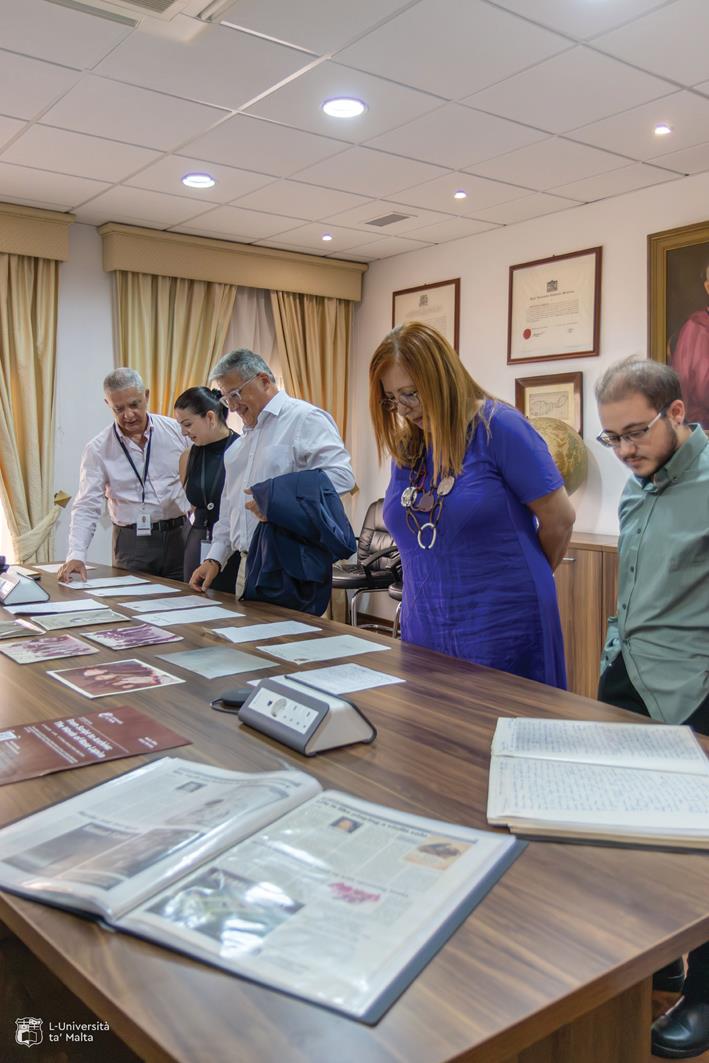
Beyond its role as a research resource, the Women's Archive actively seeks to engage wider audiences through a range of outreach initiatives. Awareness campaigns, conferences, workshops, and public talks introduce the archive's collections and significance beyond academic circles, while communication through social media, television, newspapers, and radio expands its visibility within the broader community. Public exhibitions further provide opportunities for archival materials to be encountered in accessible and contextualised ways.
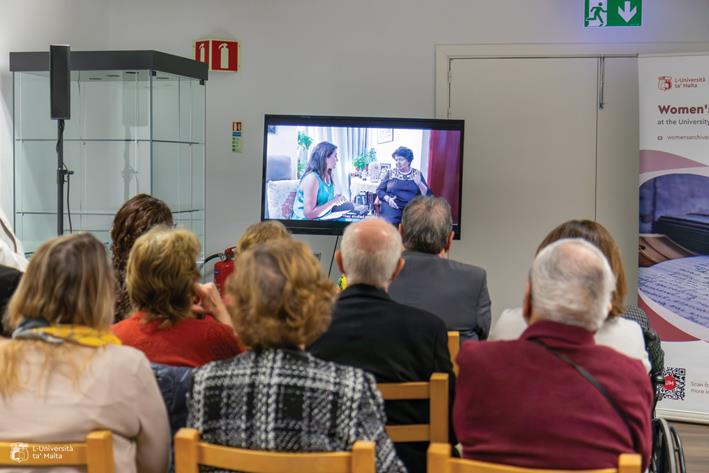
An example of this was the exhibition From Script to Archive: The Words of Rose Lapira, which displayed materials from her collection alongside excerpts from her programme It-Tila.
Accompanied by discussions on her cultural contribution featuring Prof. Charlene Vella, Francesca Balzan, and Lapira herself, the exhibition allowed audiences to engage directly with archival documentation alongside personal and scholarly reflections. Through such public initiatives, the archive transforms preserved records into active points of encounter, bringing personal histories into broader public conversations.
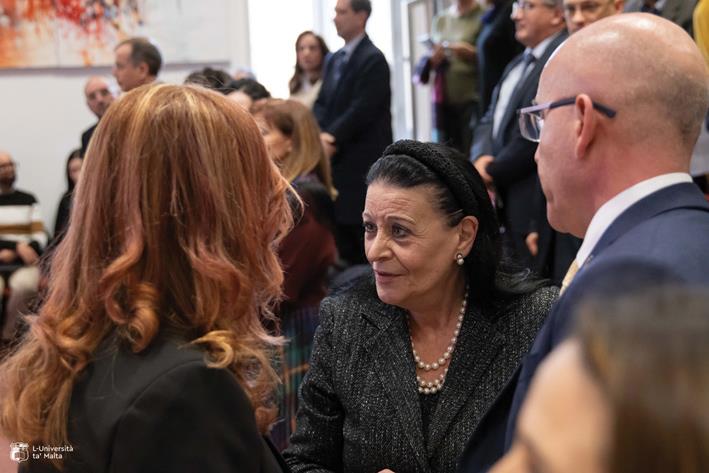
Through its collections, research potential, and public engagement, the Women's Archive at the University of Malta contributes to a broader rethinking of Malta's historical record. By bringing together previously dispersed materials, it creates new opportunities to explore the many ways women have participated in and influenced the island's history, while placing these experiences within wider historical narratives.
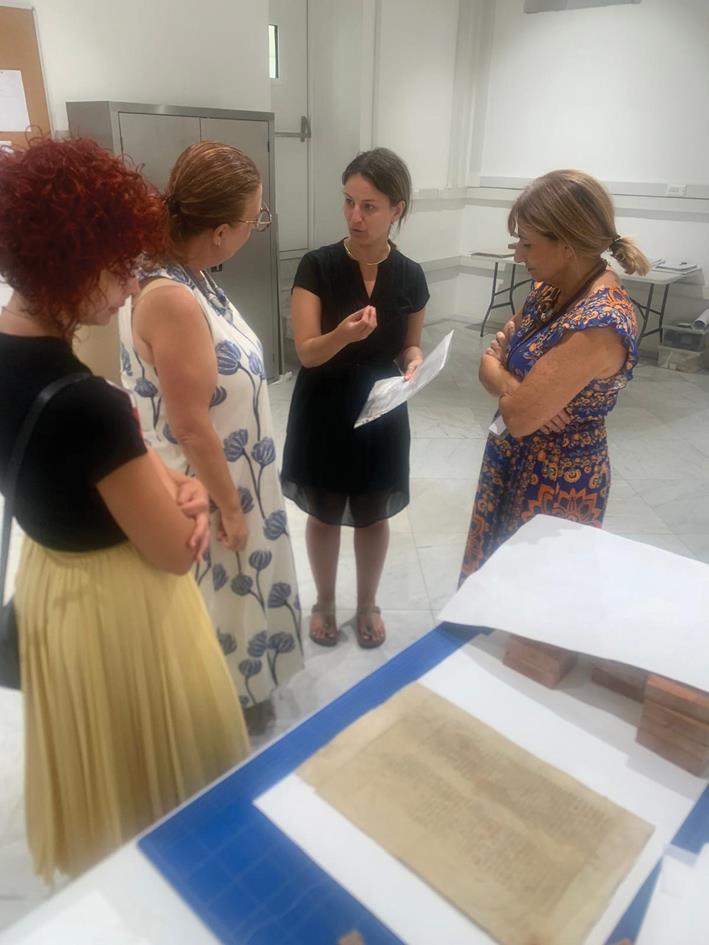
To support the ongoing growth of these collections, individuals and organisations considering donations or seeking information on the types of materials collected may contact the archive directly at [email protected]