The summer has been exceptionally hot, and I have spent more time indoors than usual. One of the highlights of the month was reading the Summer issue of Treasures of Malta. I always start off by reading the editorial by General Editor Giovanni Bonello. It is invariably informative and interesting. He is on top of the game and knows exactly what is happening in the arts on these islands. There is no space for me to quote here but the editorial is truly worth a read.
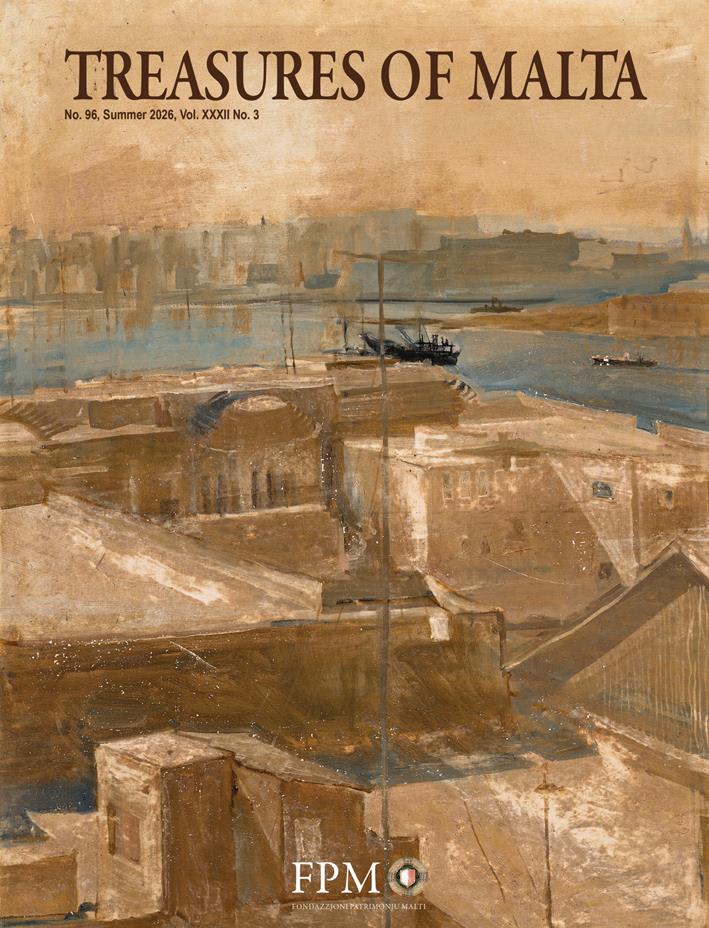
I don't read all the articles in the issue but only those which truly interest me. However, I browse through the others and delight in many of the illustrations.
TOM has very high standards all round, whether it comes to the quality of the paper, the printing or the writing.
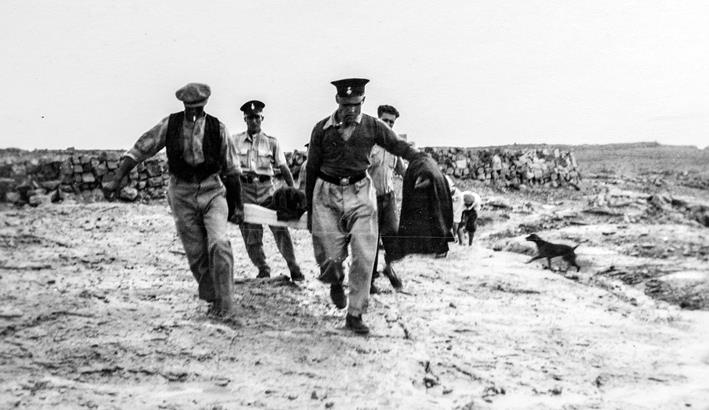
In this issue I was particularly interested in the article about Giuseppe Fenech, a photographer whose images preserved scenes of Maltese life that might otherwise have been forgotten. Among the photographs reproduced was one showing the aftermath of a capsized luzzu in Gozo in 1948, a poignant reminder of Malta's maritime history.
What strikes me first is that the article's title, Giuseppe Fenech: The Cottonera Photographer Time and History Forgot, hints at a familiar but important phenomenon in Maltese cultural history. We often remember the grand figures, politicians, artists, military leaders, and ecclesiastical patrons, but the people who quietly documented everyday life frequently disappear from memory. The value of photographers such as Fenech lies not only in their technical skill but in the fact that they become unwitting historians. What they record for one generation as routine may become, for later generations, an irreplaceable historical source.
Looking at the photograph of the Fenech family, we see a carefully staged studio portrait. A seated adult and another seated adult are surrounded by several children, including an infant in a pram. The painted backdrop, patterned floor, formal clothing, and deliberate arrangement all suggest a professional studio setting. What fascinates me is how the photograph preserves a whole world of social history.
The second photograph is almost the opposite. Instead of formality and control, there is movement. Several individuals are carrying an object across rough terrain, with dry-stone walls visible behind them. The photograph feels more documentary in character. It captures people engaged in an activity rather than posing for the camera. The image has the immediacy of lived experience. This photo was taken by Fenech on 31 October 1948. It depicts the tragedy of the capsized luzzu in Gozo. Another photo, which I am not reproducing, depicts the aftermath: police, crowds, families no doubt trying to find out what had happened and who had lost their life. A huge tragedy and Fenech was there taking photographs. No mobile, no car, no doubt carrying heavy equipment, but present.
Together, the two images on this page illustrate why Fenech's work matters. One records how people wished to be remembered; the other records what people were actually doing.
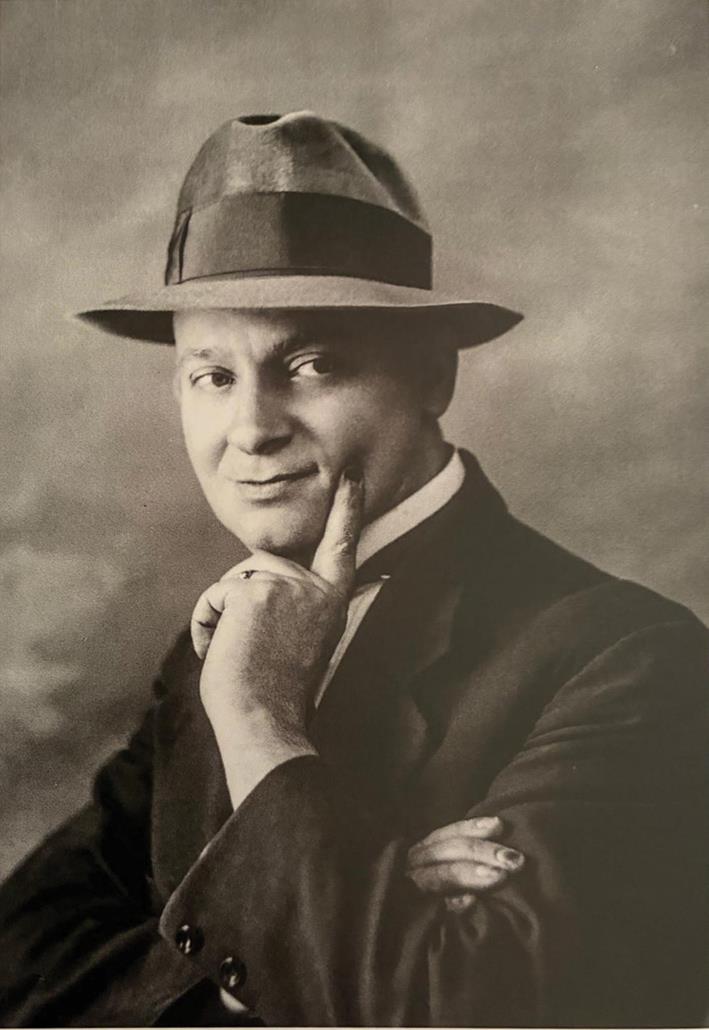
The author of this excellent article is Dr Charles Paul Azzopardi, a photo-historian. 'He has made significant contributions as a curator and photographic cultural heritage consultant at the National Archives of Malta and the Richard Ellis Archives. Dr Azzopardi's research and photography have been published in over 40 monographs. He is also the founder of the Malta Image Preservation Archive.' Wow! As my grandchildren would say. Dr Azzopardi certainly wasted no time. Bravo!
Giuseppe Fenech reminds us that photography is not merely an art but a form of historical preservation. Through his lens, ordinary people of Cottonera become historical witnesses. Their clothes, workplaces, ceremonies, families, streets, and landscapes survive long after their names have faded. The article restores importance not only to a forgotten photographer but also to the community whose life he recorded.
I tend to be captivated by images of ordinary people. Those images often have the strongest emotional pull because they bring us face to face with lives that otherwise would have disappeared altogether.
What makes photographs like this so valuable is that they are not merely artistic images. They serve as historical records, capturing moments of everyday Maltese life, local tragedies, working people, and events that might otherwise have been forgotten. This is one reason why Giuseppe Fenech's work is receiving renewed attention: his photographs provide a visual archive of Malta during a period of considerable social change following the Second World War.
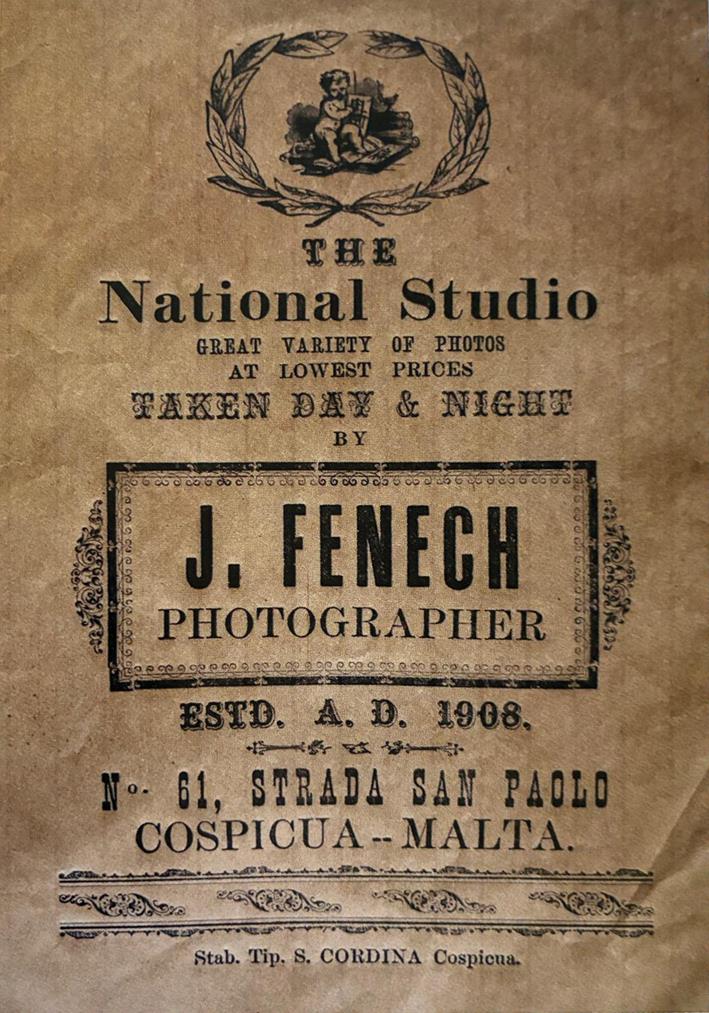
Fenech was also an artist. 'He used his colouring skills to augument photographic portraits as per client wishes, but sometimes he also photographed subjects with the intent of their being used as aide-memoires for paintings, including those depicting Maltese landscapes and portraits. He also submitted design ideas for the national lottery tickets in 1953 and 1954. These designs are still extant. There is a lot more to be said about this gifted and hard-working photographer. He died at his residence, at 14, Triq Don Bosco, Sliema, a stone's throw-a-way from where I live.
I will write more about the Summer issue of TOM in my diary next Sunday.
Wishing you all many cooler breezes and plenty of enjoyable reading.