I come bearing some great news! (For me, at least.) I am excited to announce a new joint venture with Mani Centre, where I will be curating a growing programme of exhibitions together with my sidekick and project manager, JP Barthet. The first exhibition in this series opened on Monday, 7 September, and below you can read all about it. But, more importantly, you really must go and experience it for yourself!
First, I want to start with a few words about Mani and the mind behind it, Joe Galea. Situated in the Ta' Qali Crafts Village, Mani stands for Manifattura, Arti, Novità, Imħabba, and Galea's vision is for the space to become a hub for culture and creativity. Alongside its retail and eatery facilities, the centre comprises two exhibition areas, as well as a dedicated space for lectures, workshops and other cultural activities.
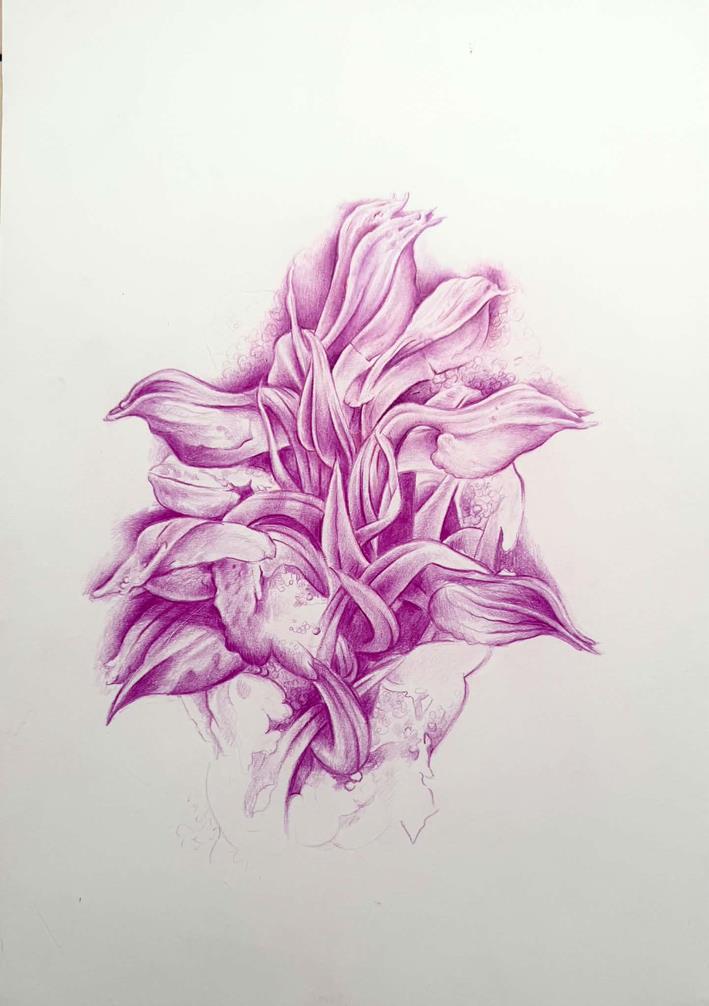
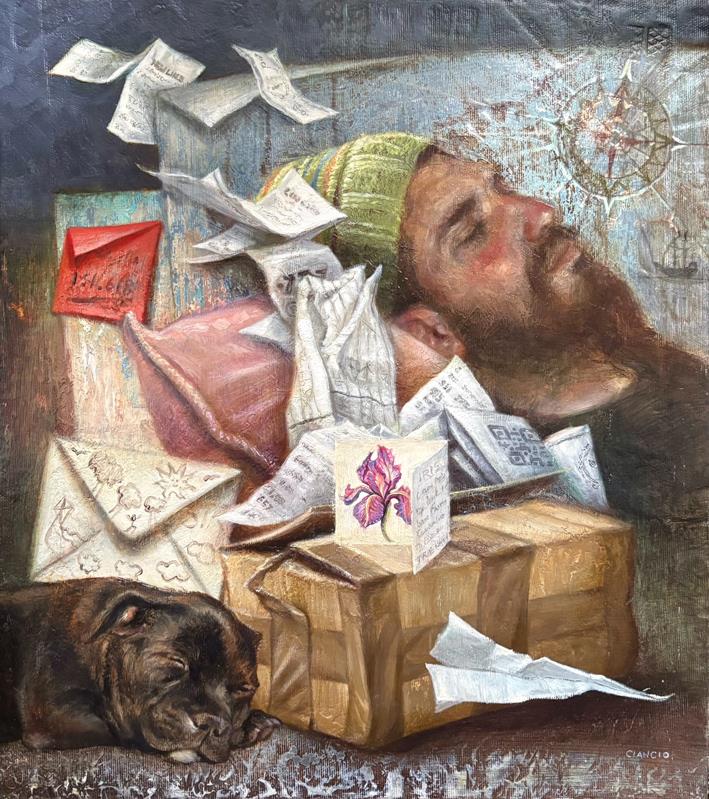
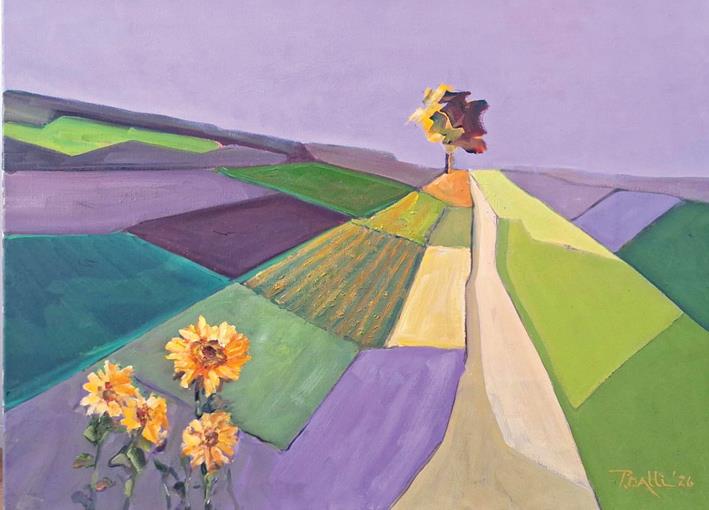
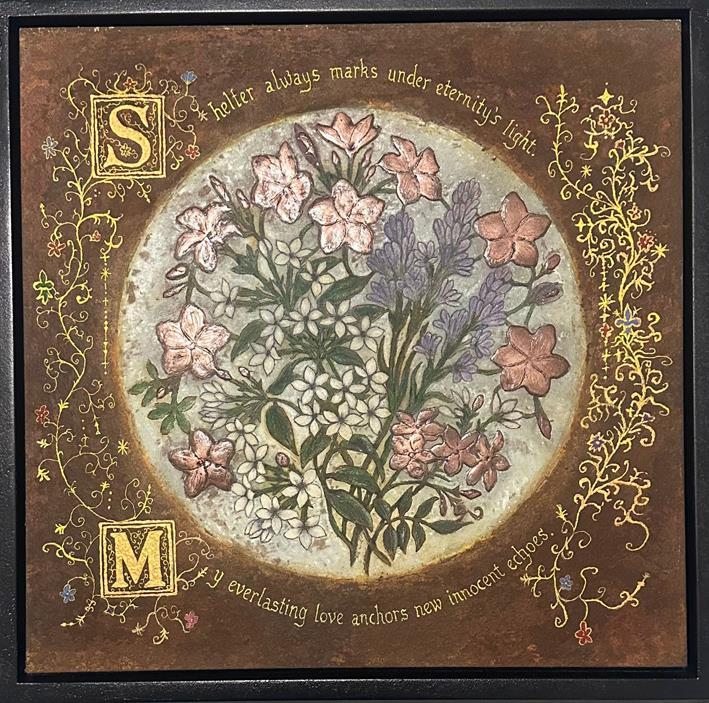
This first exhibition, titled The language of petals: A floriographical memoir, brings together 35 artists and 39 works of art, all responding to the theme of floriography, the "secret" language of flowers.
It all started last May, when I came across a post about floriography on my Instagram feed and immediately thought, "one day I will do a collective exhibition about this theme". I added it to my exhibition wishlist.
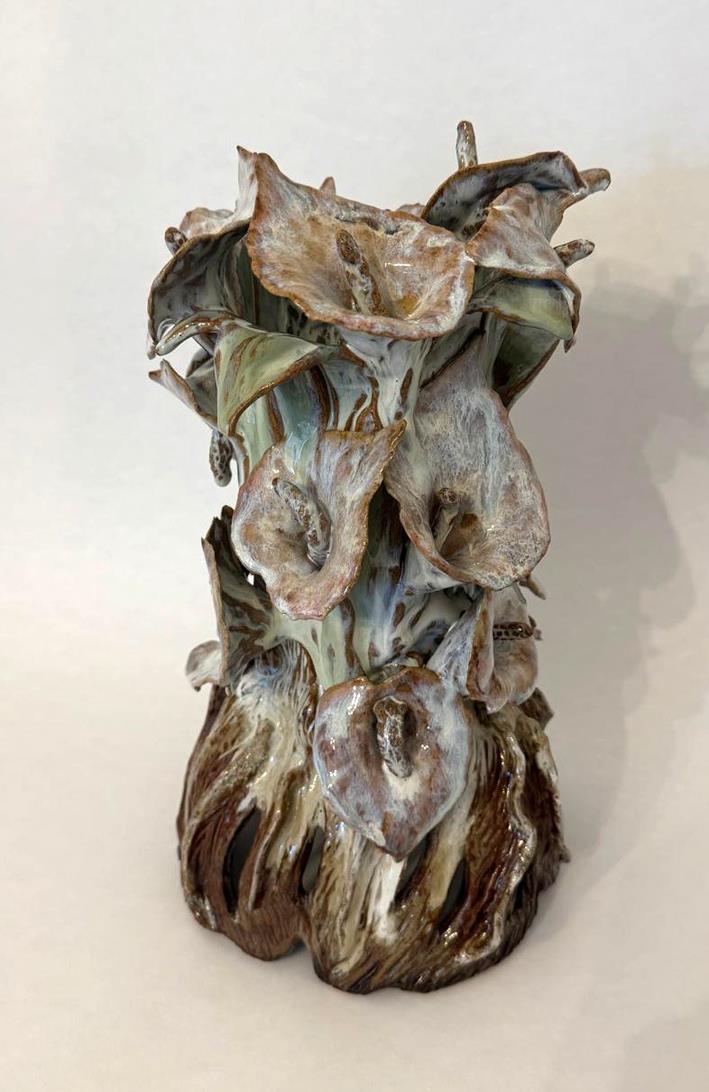
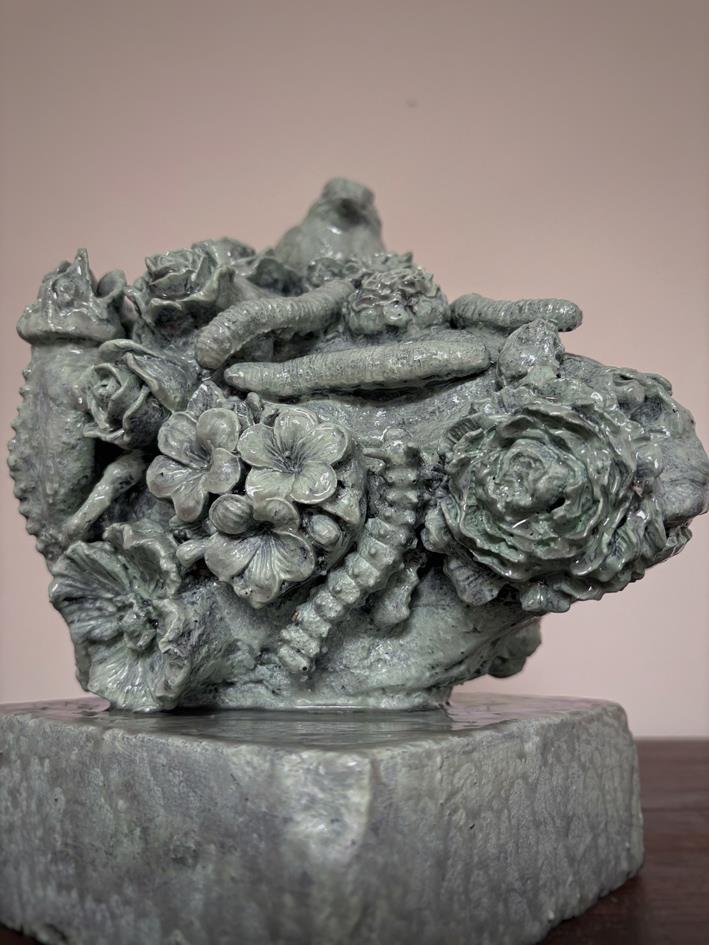
I saved and liked the post and, needless to say, Instagram soon started flooding me with similar content. But at the same time, I was also dealing with many flowers in real life. During this period, there was a death in my family, and with it came the question of what to do with all the flowers. While clearing away the dead flowers from the grave, I noticed one particular flower that had not died like the others, and which seemed to be present in all the bouquets and arrangements. It was the Sempre Viva. It was a flower I had seen many times before, but had never really noticed.
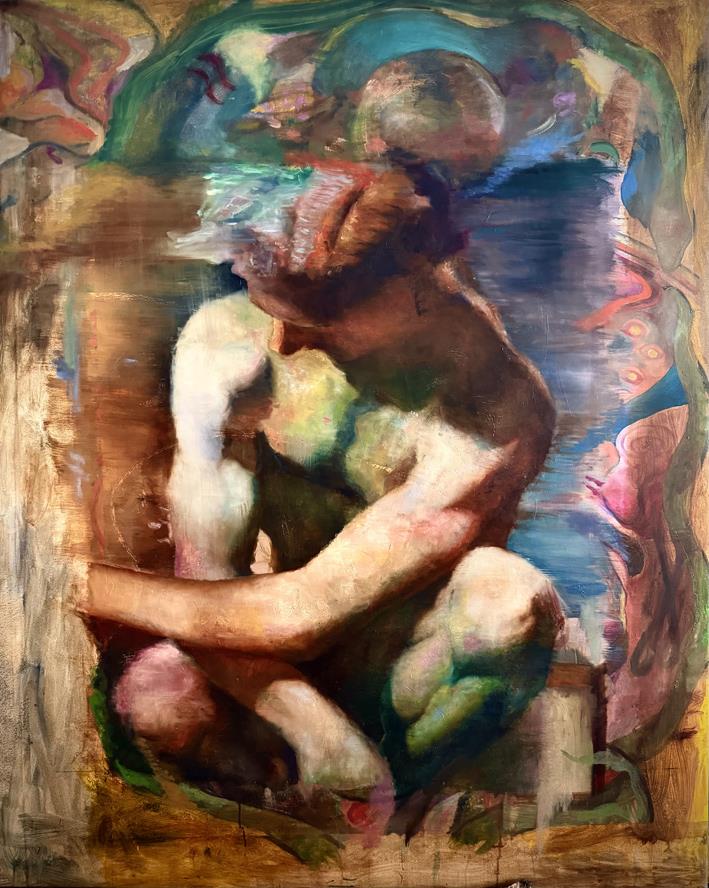
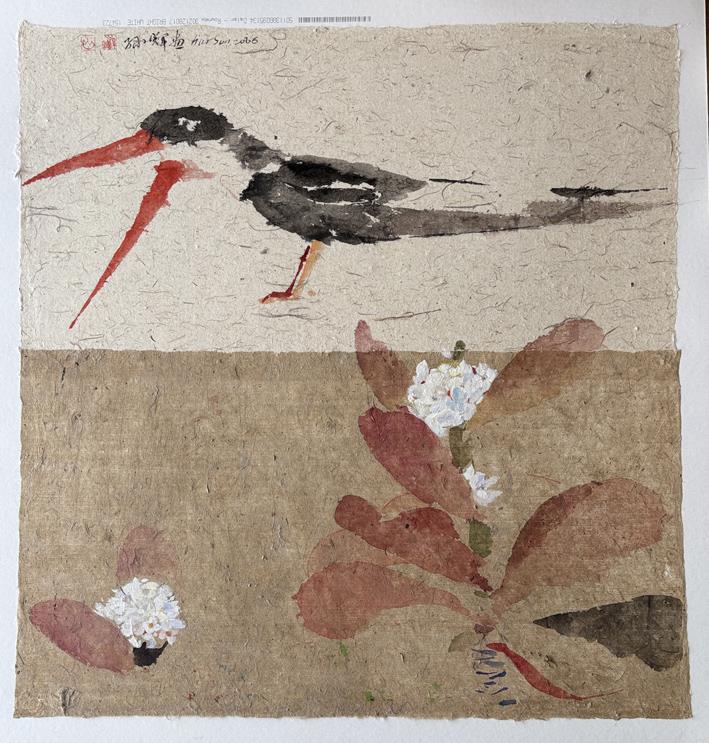
Immediately, I wanted to know more about the meanings attributed to flowers.
Of course, I could have done a Google search, asked ChatGPT, or read a book (in fact, I ended up reading two), but being a curator has its perks. I decided instead to invite and challenge a number of artists to share their thoughts and perspectives with us, on flowers in general, and on particular flowers and their meanings. And here we are.
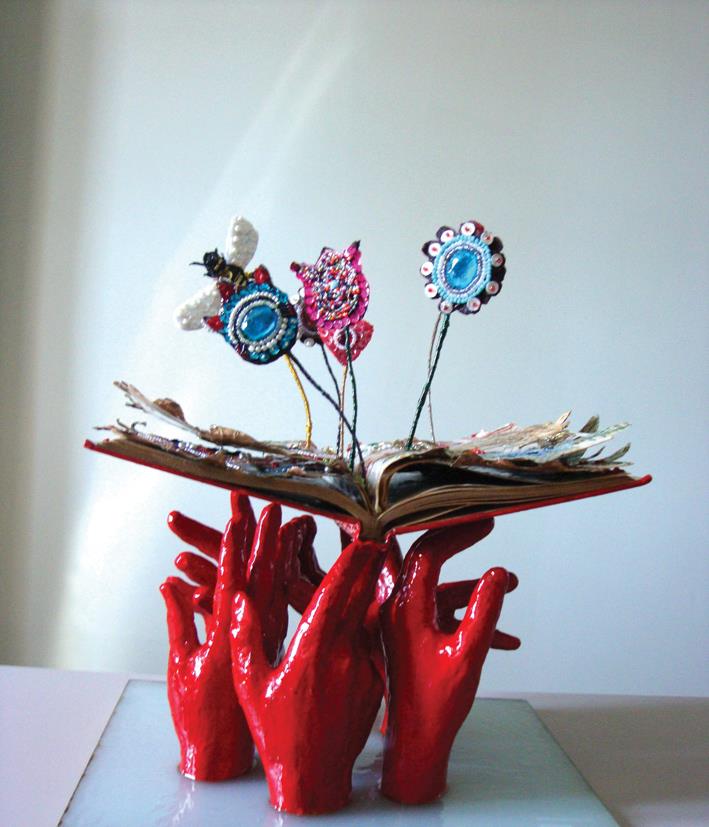
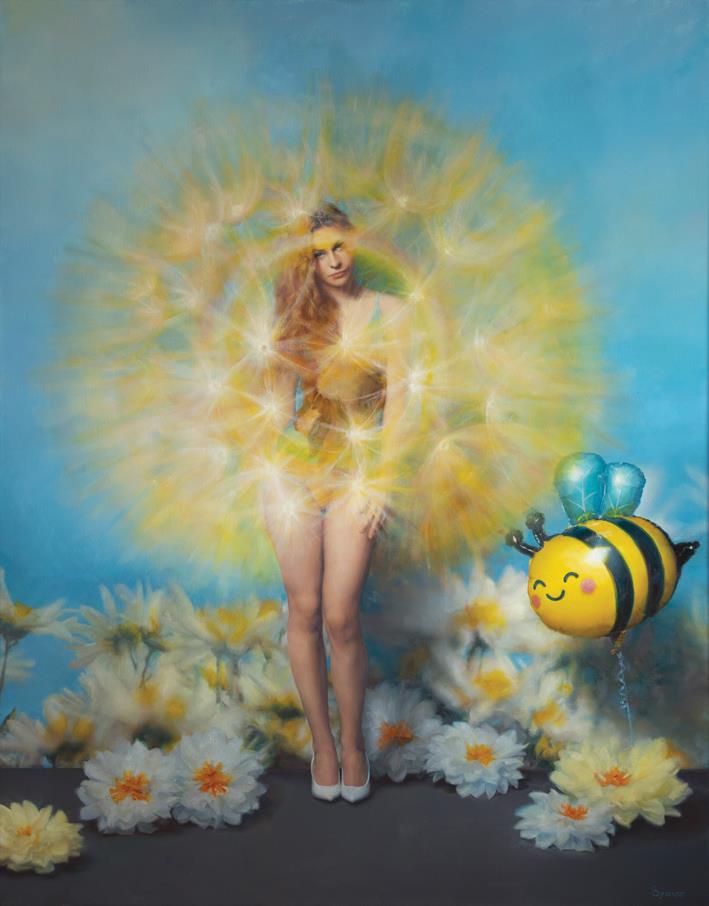
Flowers have long carried meanings that extend beyond their physical beauty. Across cultures and throughout history, they have been used to express love, grief, devotion, remembrance, secrecy, and desire. During the Victorian era, this symbolic potential evolved into floriography, the elaborate "language of flowers" through which emotions and messages could be communicated indirectly through carefully chosen blooms.
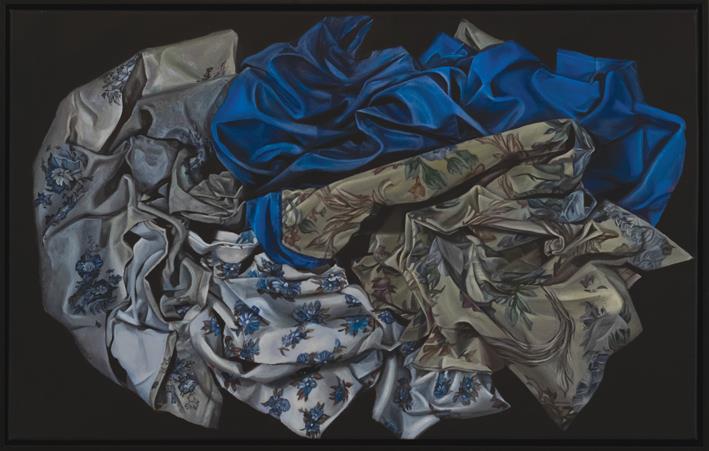
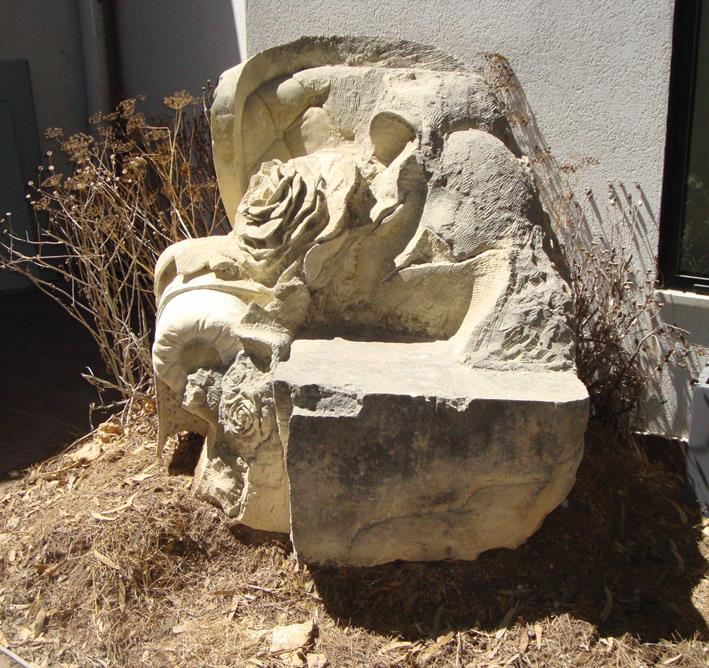
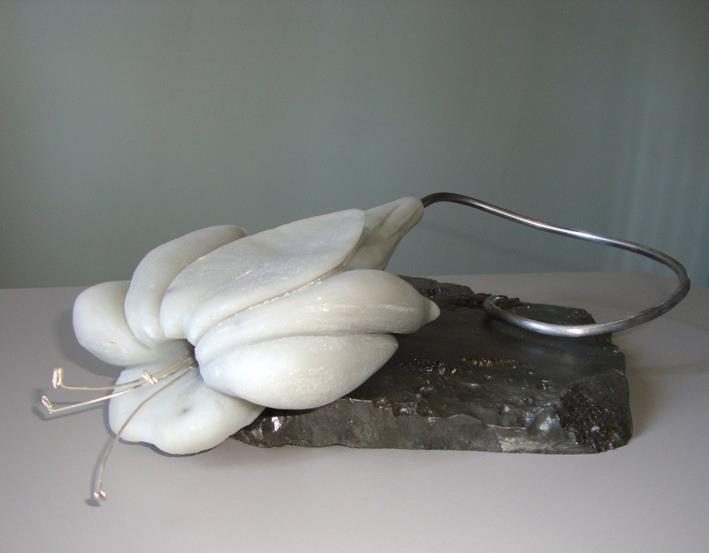
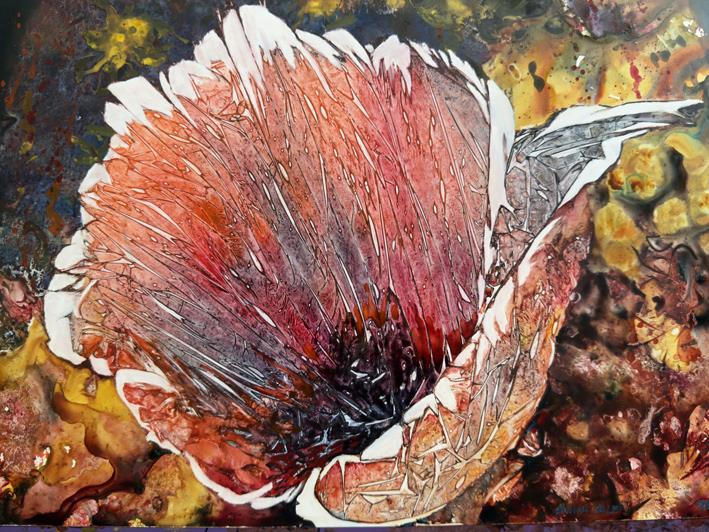
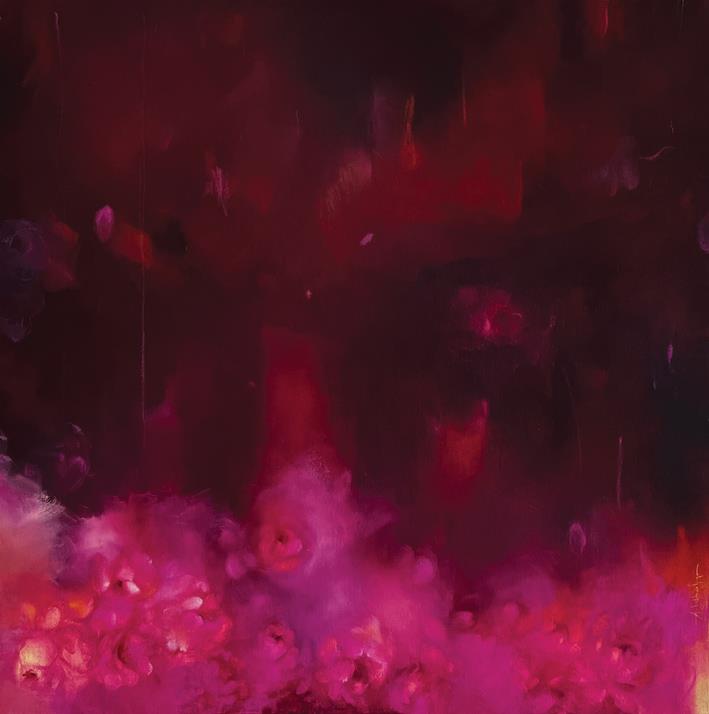
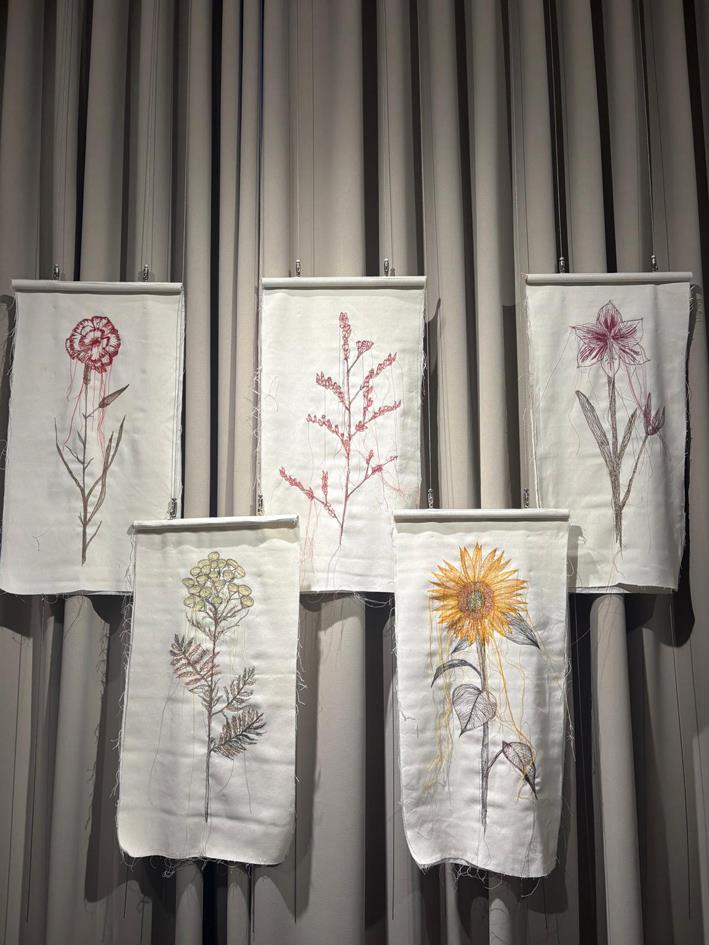
The language of petals: A floriographical memoir revisits this once-widespread floral language through contemporary artistic practice. Bringing together artists working across a range of media, the exhibition explores flowers not simply as decorative motifs, but as symbolic vessels carrying personal narratives, emotional states, cultural memory, and hidden forms of communication.
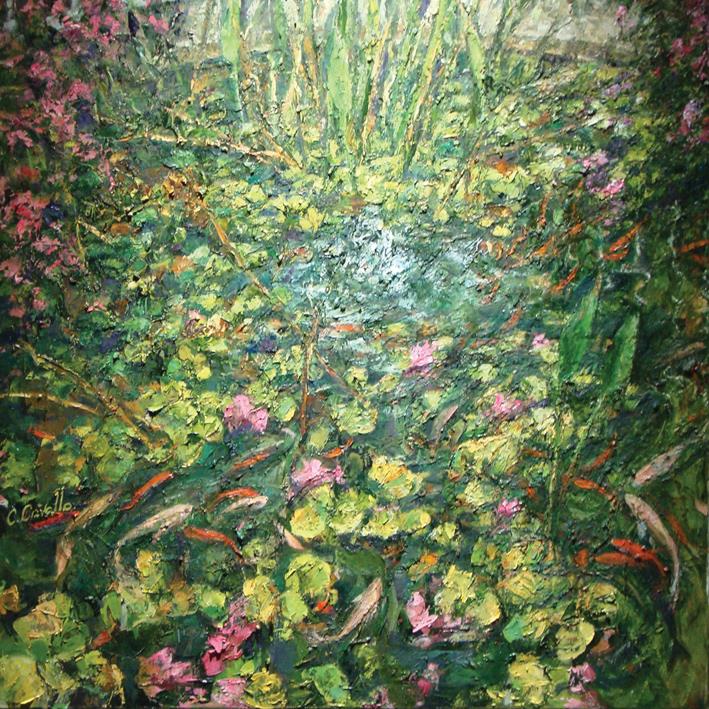
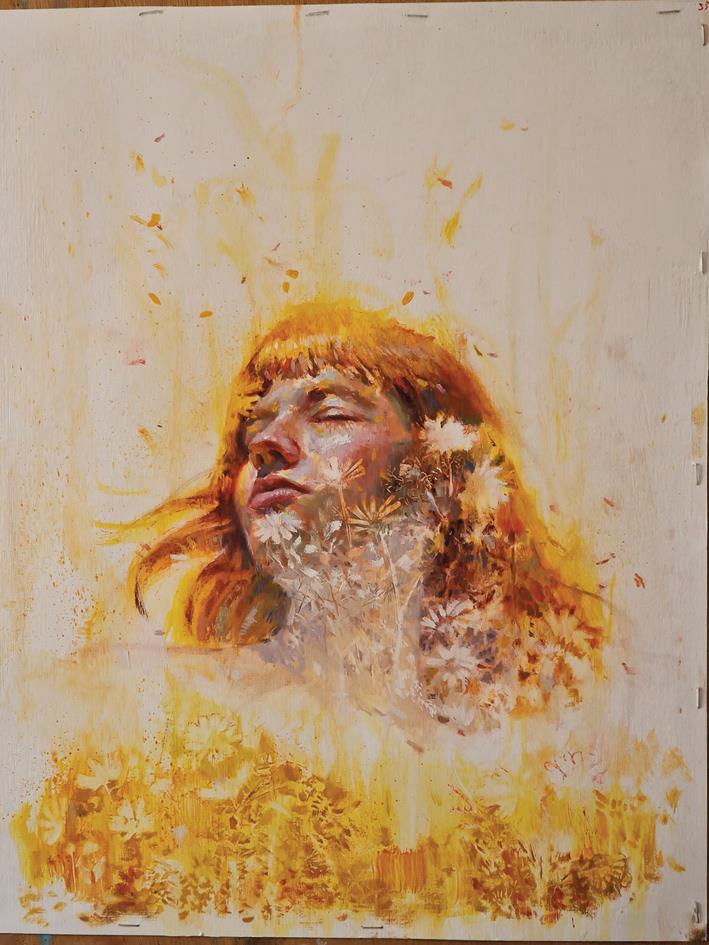
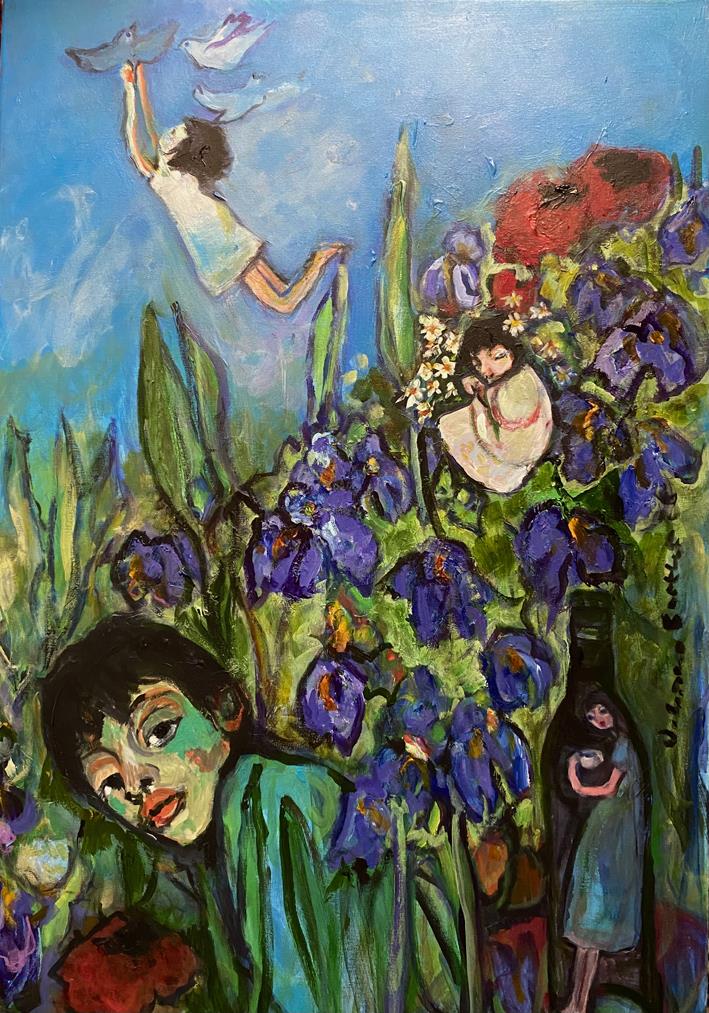
Artists were free to choose any flower, allowing the exhibition to unfold through a vast and diverse narrative, much like the flowers themselves. A range of blooms emerges throughout the exhibition as metaphors for intimacy, mourning, identity, resilience, obsession, transformation and remembrance.
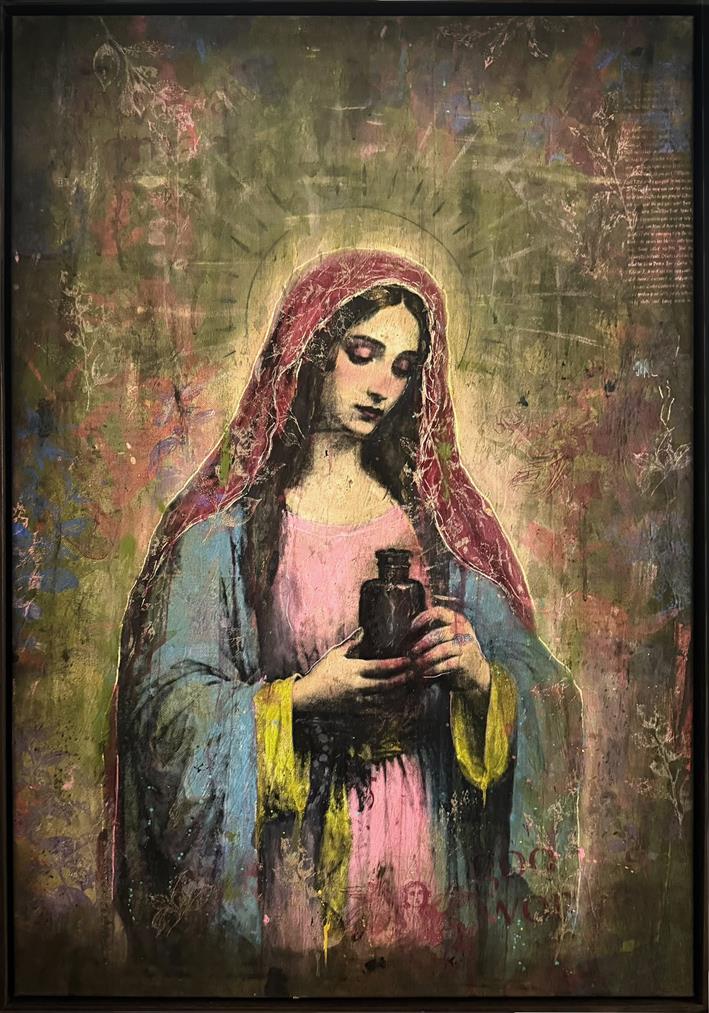
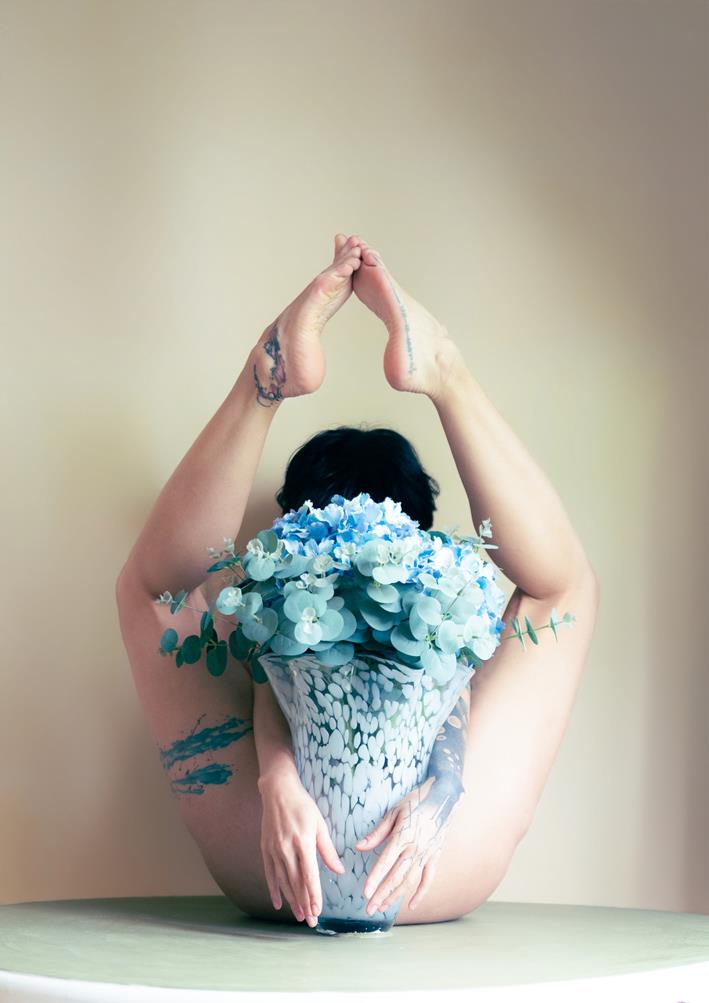
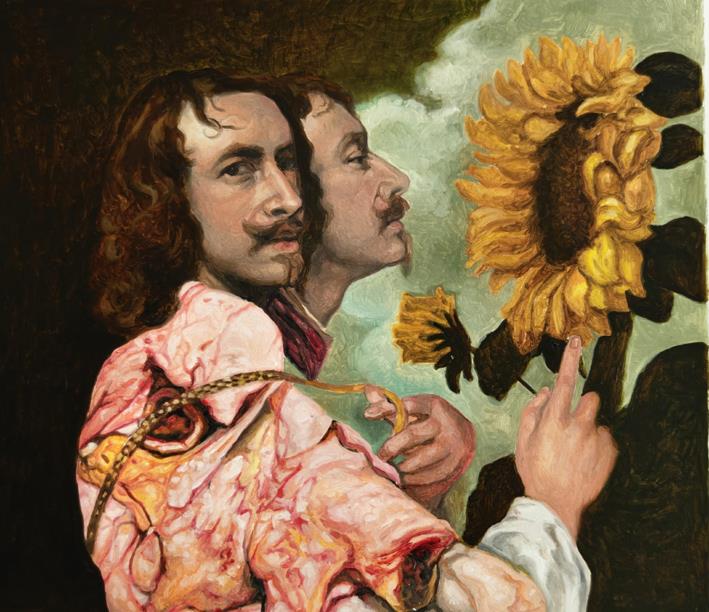
The result is an eclectic group of works, with each artist working in their own signature style while creating something that belongs within the broader language of the exhibition. The artists approached the subject in markedly different ways. The historical meaning of a flower is not treated as fixed: it may be preserved, reinterpreted, complicated, contradicted or transformed into something entirely personal. In this sense, the exhibition presents 35 different ways of using the flower as a language.
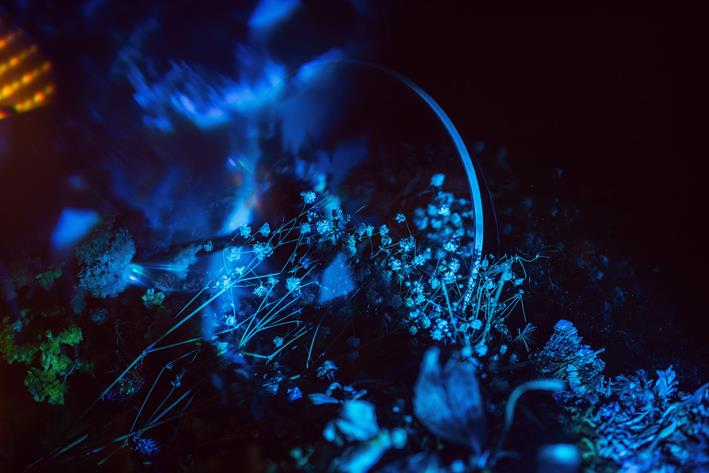
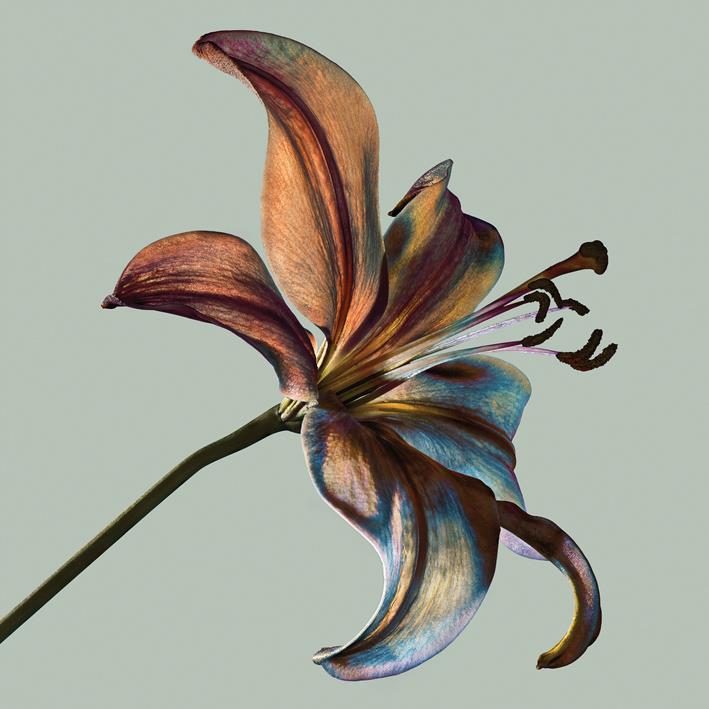
Some artworks feature particular flowers prominently, while others make only subtle reference to them. Some revolve around the traditional meaning associated with a specific flower; others explore the idea of blooming, growth and transformation, while others find connections with the cycles of life, death and renewal. The result is a collection of works that demonstrates just how fluid and personal symbolism can become when placed in the hands of different artists.
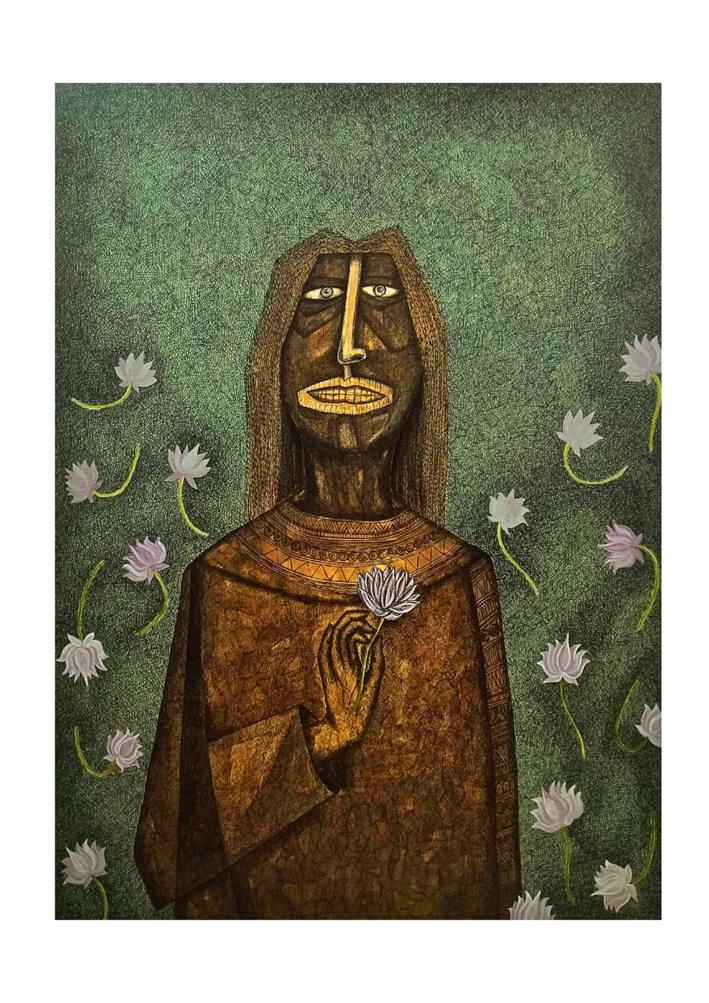
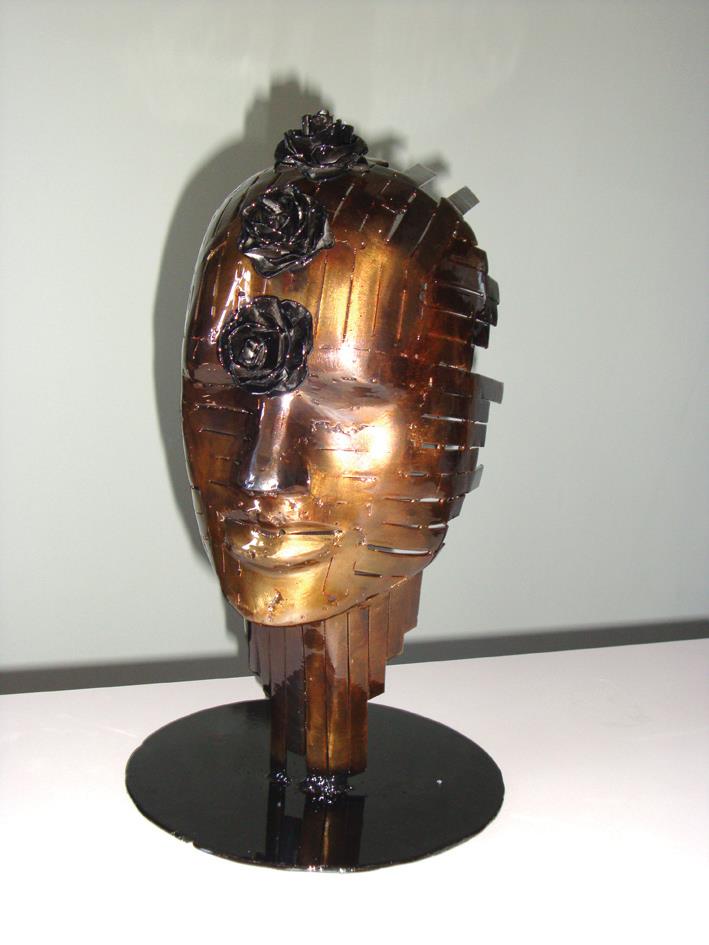
The participating artists are Alex Attard, Alexandra Aquilina, Alexia Baldacchino, Alfie Gatt, Andrew Zarb, Anna Galea, Antoine Farrugia, Bernice Vassallo, Catherine Cavallo, Clint Calleja, Daniel Borg, Dave Calleja, Darren Tanti, Dominique Ciancio, Elisa von Brockdorff, Etienne Farrell, Hui Sun, James Dimech, Jane Birchall, Johanna Barthet, Julian "Julinu" Mallia, Kenneth Zammit Tabona, Liliana Fleri Soler, Luca Indraccolo, Martina Darmanin, Nico Conti, Patrick Dalli, Roderick Camilleri, Ruth Ancilleri, Samuel Spiteri, Shweta Urane, SJ Fuerst, Stefan Priehyba, Trevor Diacono and Victor Agius.
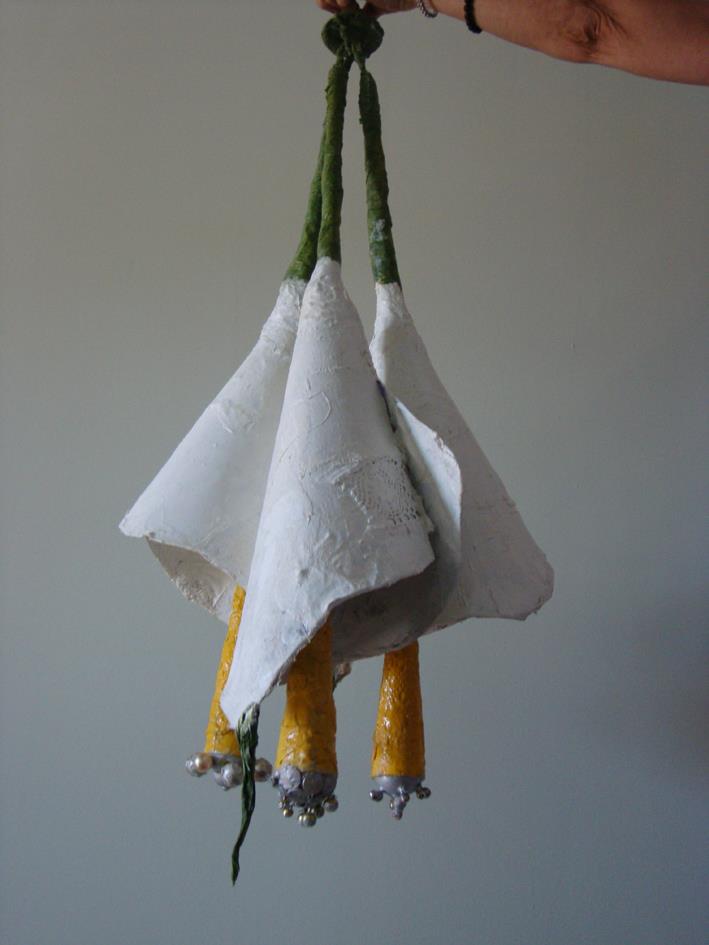
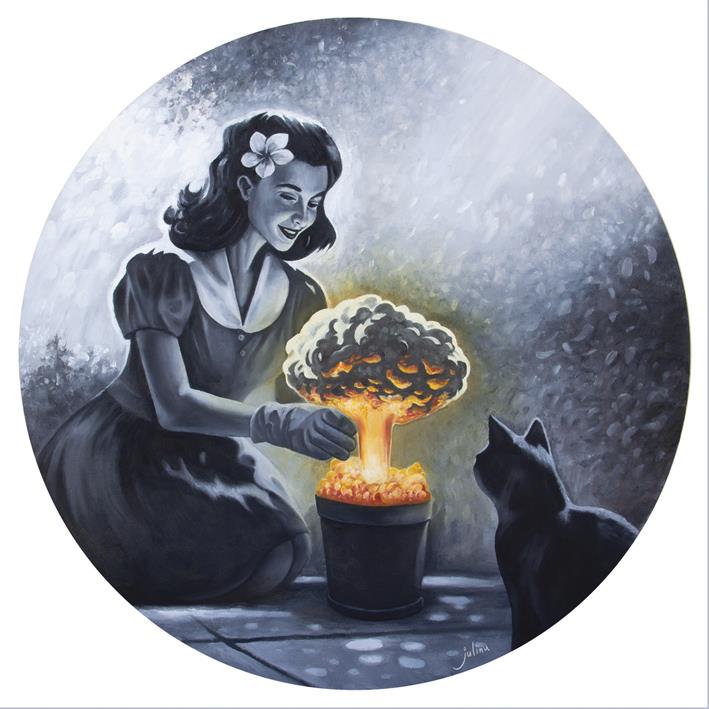
And perhaps this is ultimately the beauty of art: it allows for ambiguity, contradiction, intuition and personal interpretation in ways that no algorithm can fully replicate. While a system can identify patterns and associations, art allows us to take those associations somewhere unexpected, to make them personal, emotional and uniquely our own.
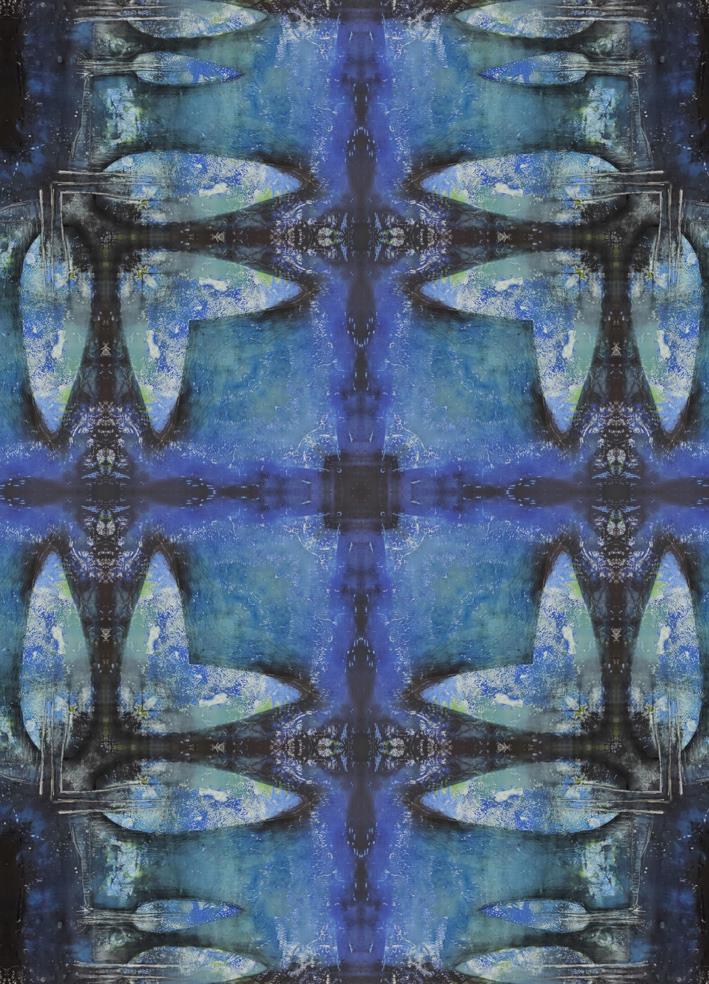
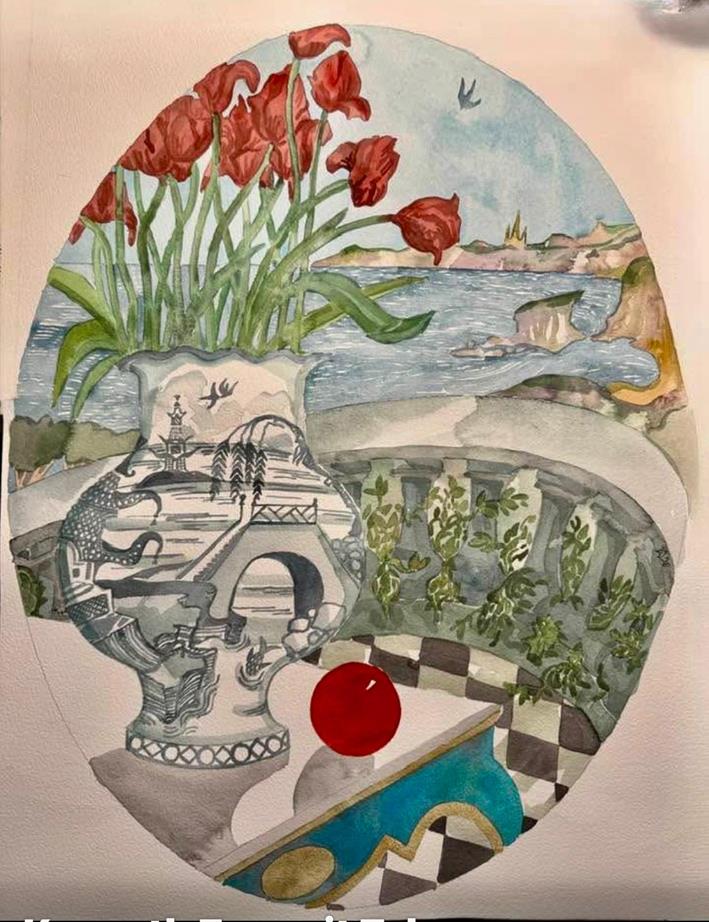
The exhibition approaches floriography not as a nostalgic reconstruction of Victorian customs, but as a reflection on the enduring human tendency to communicate through symbols. In a world increasingly dominated by immediacy and oversharing, flowers become quiet carriers of what often remains difficult to articulate directly. They function as emotional intermediaries: fragile, yet weighted with memory, beauty, contradiction and meaning.
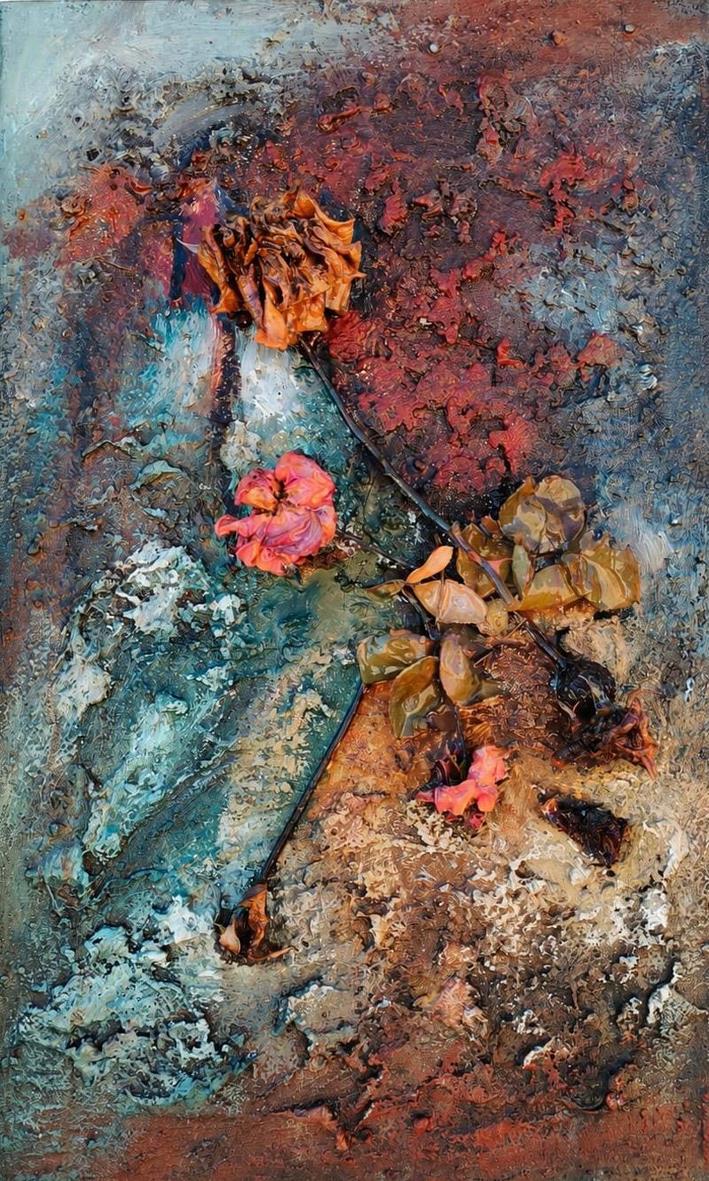
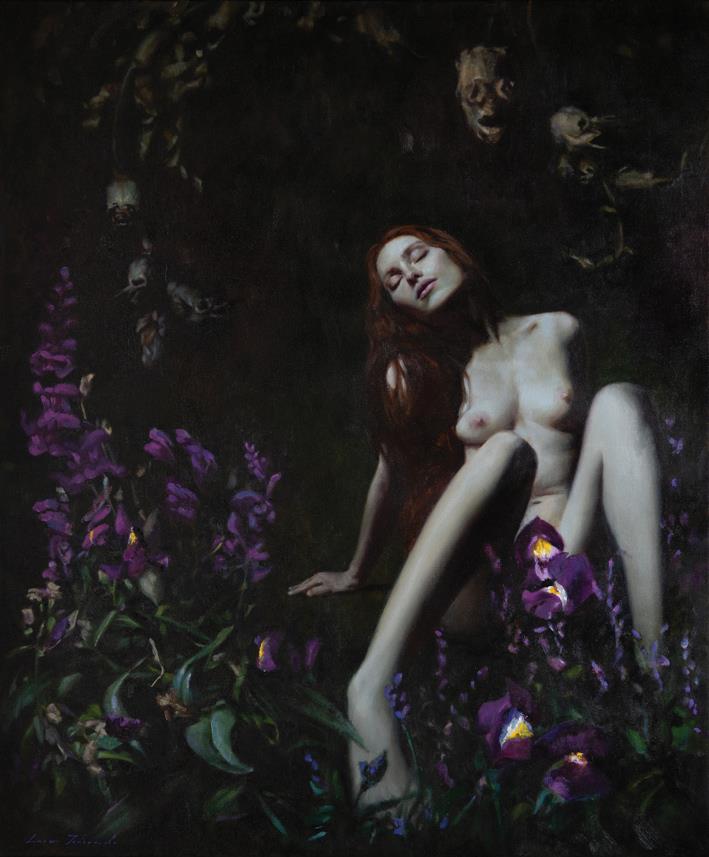
The notion of the "memoir" within the exhibition title further frames the show as a collective emotional archive. Each artwork becomes a fragment, confession or symbolic trace within a larger narrative written through petals. Together, the participating artists have constructed a contemporary floral memoir that moves between beauty and decay, silence and confession, attraction and loss.
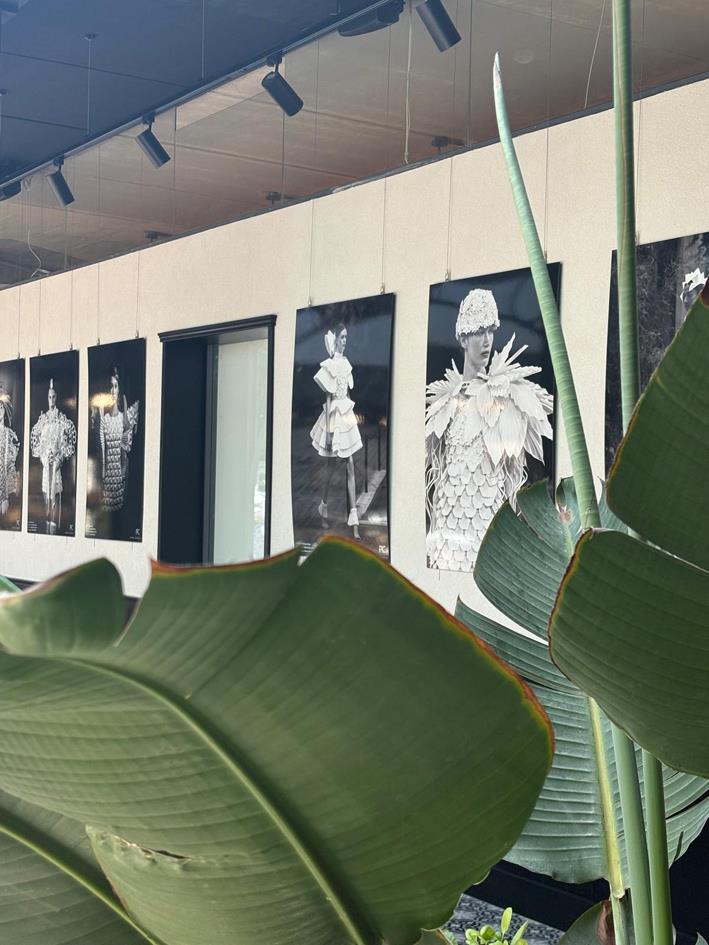
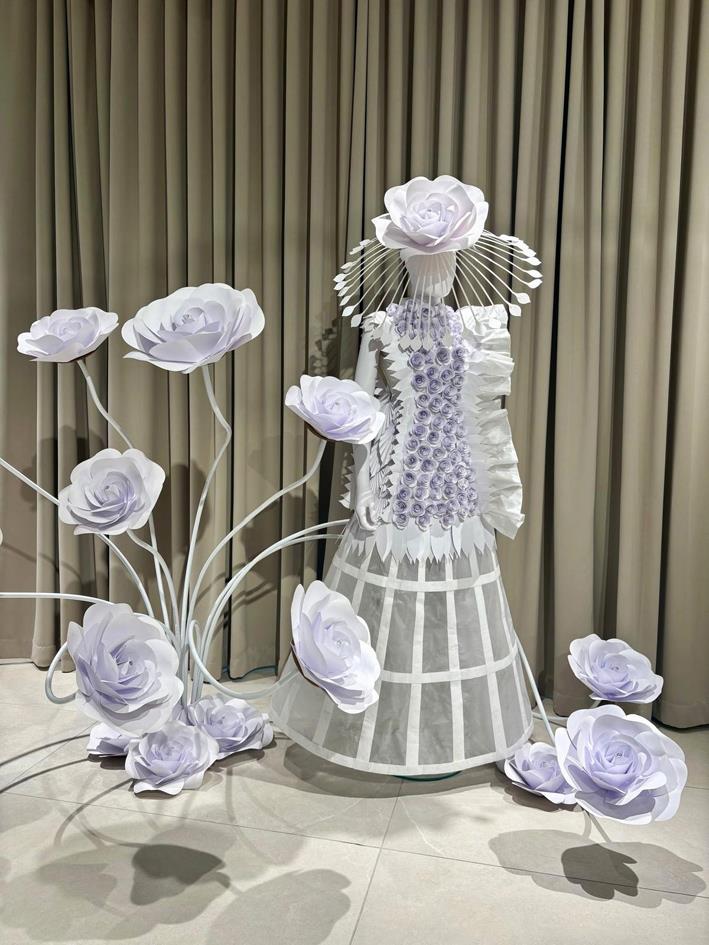
The exhibition evolved further thanks to the magic that James Dimech, one of our participating artists, can create with paper. I met James only a few months ago, and it has been a real rollercoaster of creativity ever since. Our collaboration really bloomed... pun intended. What began with him lending us a few paper flower "props" soon grew into not one installation, but two, and much more besides, as James also created a separate exhibition in another space within the centre: a mini-retrospective of his work, presented through photography.
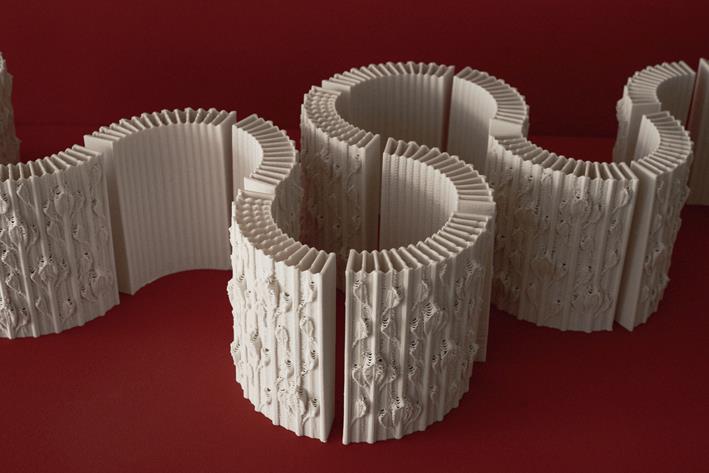
His contribution added another layer to the exhibition, making it more immersive, colourful and special. His paper flowers do not simply decorate the space; they become part of its visual language, extending the idea of the flower beyond the individual artworks and into the exhibition environment itself.
Ultimately, The language of petals invites viewers to look beyond the ornamental surface of flowers and consider the ways in which symbolism continues to shape how we express emotion, construct memory and navigate human experience.
Special thanks to all the team at Mani and Katrina Barthet. The exhibition is on until 11 October at Mani Centre in Ta' Qali.
For more information follow the exhibition on social media