The way Malta manages waste, sewage, construction and increasingly dense residential development has created ideal conditions for pest species to thrive, with the country becoming "literally a paradise for most pest species", founder and codirector of the Exterminator Ltd and pest management consultant within the company, Arnold Sciberras said.
Sciberras told The Malta Independent that human activity lies at the heart of many pest problems, while longer periods of heat are extending the breeding cycles and lifespans of some insects.
"If we compare today with a decade ago, some insects and some vermin or pests have almost proper life cycles because some of them manage to breed longer because they live inside or are cosmopolitan," he pointed out.
"What is happening now is that due to very long seasons of heat, many of them have longer breeding cycles and longer lifespans, especially the pests which are insects."
Extremely high temperatures can themselves become problematic for pests, Sciberras said, but prolonged warm periods can nevertheless provide favourable conditions for many species.
Human adaptations to hotter weather can inadvertently help them further.
Sciberras pointed to water left in plant trays, artificial reservoirs and water dripping from air-conditioning systems, saying mosquitoes require only small amounts of water to complete their early life stages.
These conditions, combined with waste management and other aspects of Malta's urban environment, are creating favourable circumstances for pest species, while native wildlife is simultaneously coming under pressure, he said.
Asked how much of Malta's pest problem is linked to human activity, Sciberras replied: "I think I couldn't make it clear enough that it is 100%."
He said many species considered pests are not native, but have adapted successfully to human movement and the environments people have created.
"The way we're living in apartments and the way we manage our sewage and garbage, Malta has become literally a paradise for most pest species."
Among those species are rats, although Sciberras said 2026 has not been the worst year Malta has experienced for them.
He pointed particularly to 2018 and 2023, which he described as "rat years" on the basis of records he has previously published.
Urban areas nevertheless continue to experience rat problems, he said, with population density and constant construction contributing to the issue.
"The overpopulation is not helping at all. Construction constantly moves species from one zone to another. That's why we see more," he said.
Rats can damage property by gnawing and can affect electrical systems, while they can also carry diseases, Sciberras said.
One development which has caught his attention this year is an increase in black rats, which he said are normally considerably less common than brown rats.
"It is of concern of mine that some villages now are being run over with this species that usually keeps a low profile."
"On rats, I cannot say 2026 was the worst year. But yes, we have to be cautious because each year we notice there is a huge demand for the control."
Other pests which Sciberras believes deserve greater national attention include bed bugs and termites.
"I would be more cautious also with the invasion of bed bugs we have at the moment," he said.
Termites, meanwhile, cannot necessarily be effectively addressed by treating a single property in isolation.
"There should be also national concern when it comes to termite control, because you can't control them just in your house. It has to be an effort in your zone."
Sciberras also stressed the importance of checking imported materials to reduce the possibility of new invasive species entering Malta.
However, not every unwanted animal found inside a home should automatically be considered a pest, he warned.
"Not every species that enters your house is a pest species. In fact, we separate them from pests to casual intruders," Sciberras said.
He said indiscriminate measures such as glue traps can kill animals which are harmless, beneficial or even protected.
One example is the shrew which resembles a small mouse but has a longer snout.
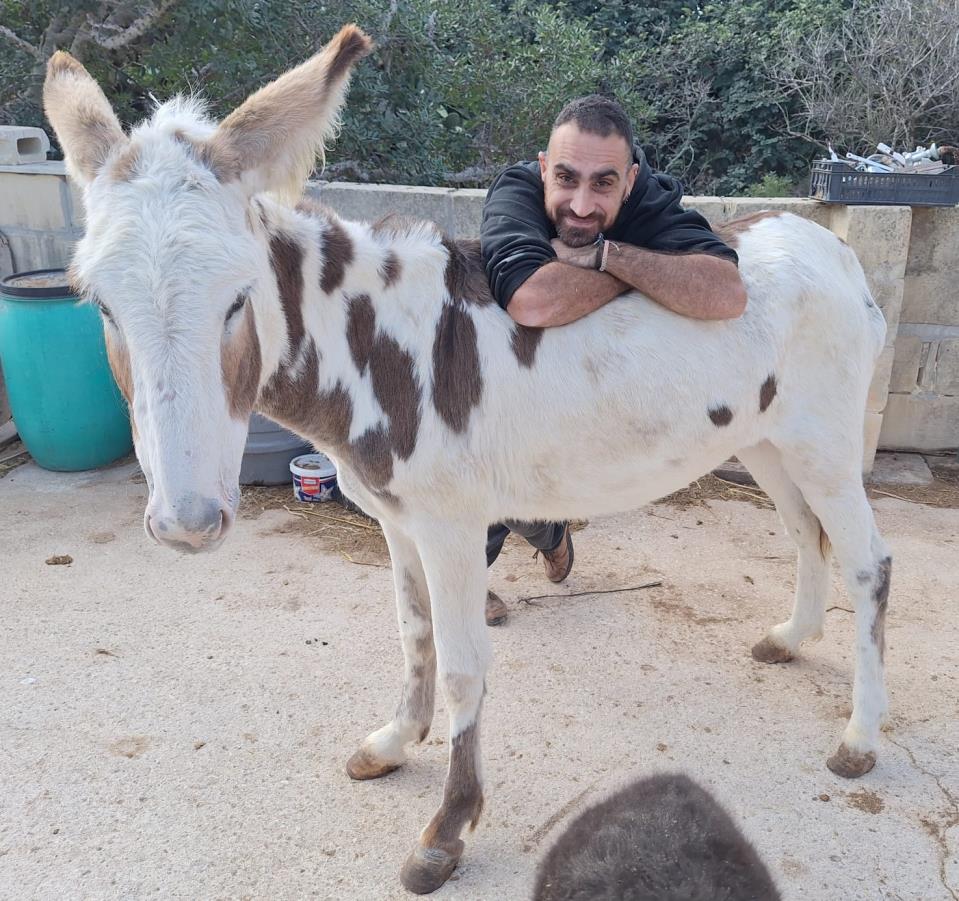
Sciberras said shrews feed on cockroaches and other species, meaning their presence may actually indicate another pest problem.
"If for some reason you see shrews and you want to get rid of them, I suggest you contact a professional which will exterminate your actual pest, and the shrew will leave by itself. Don't target the shrew."
The same principle applies to geckos.
"Geckos are the best pest controllers. They're better than me," he said, adding that a gecko can catch between 75 and 120 mosquitoes at night.
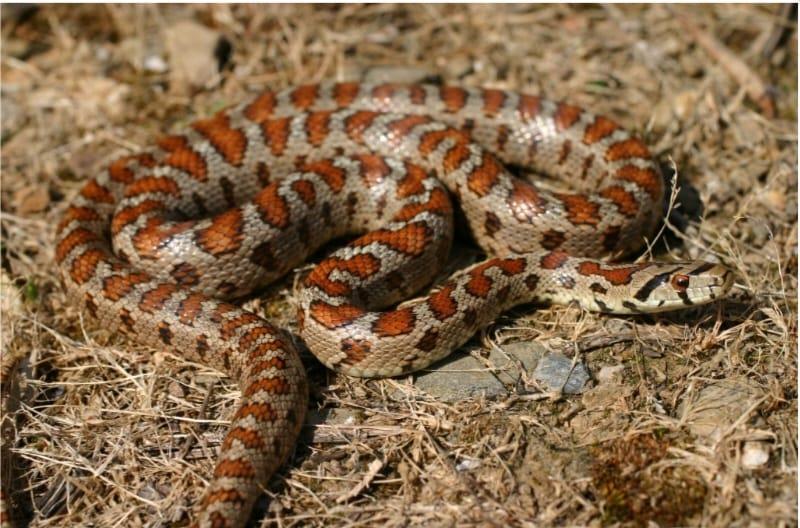
Snakes can similarly be misunderstood. Sciberras said their presence inside a property may indicate rodents and that the underlying infestation should be addressed instead.
"We don't target the animal that is beneficial. We target the rodent infestation. Most probably, the snakes will leave."
Where protected wildlife needs to be removed, Sciberras said professionals should ensure injured animals are passed to relevant NGOs or otherwise released into their natural habitat.
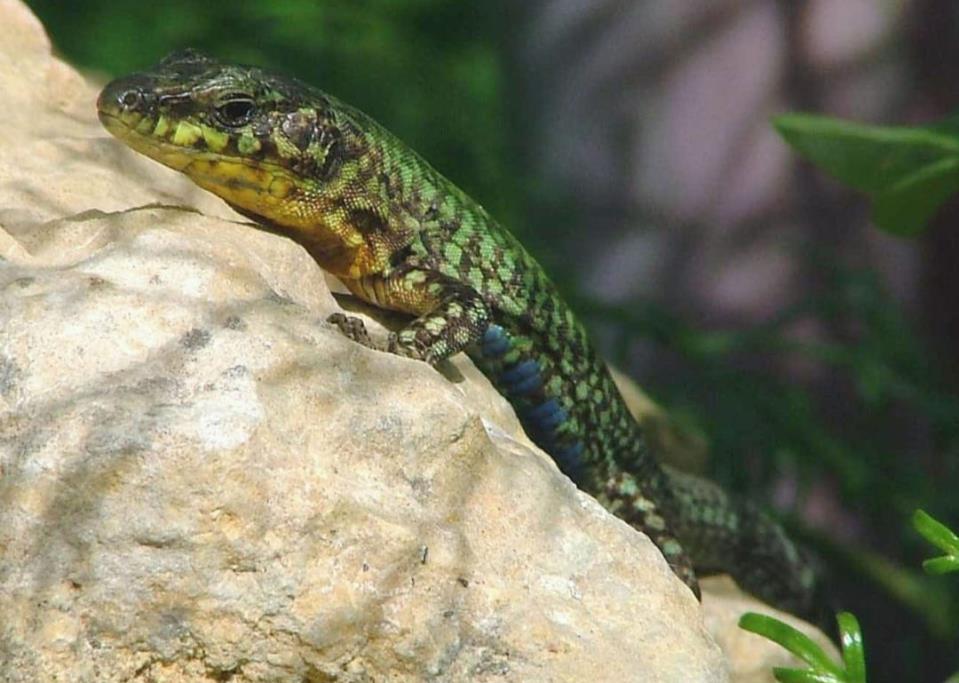
"We don't kill protected species, first of all, and most of all, endangered species that are beneficial to humans and are native and part of our wildlife."
Sciberras broadly defined a pest as an animal which causes nuisance, harm or damage to a person or their property.
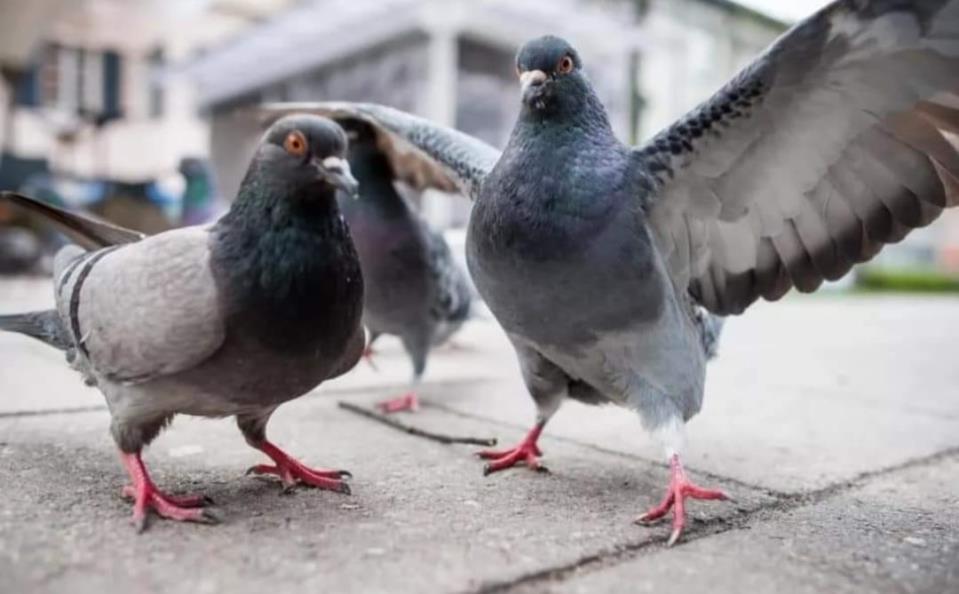
He said he is currently writing a book about pests of the Maltese islands and said he has so far identified more than 250 species falling within different pest categories, ranging "from the tiniest ant to a feral pigeon."
Some animals creating problems are ones people would rarely associate with pest control.
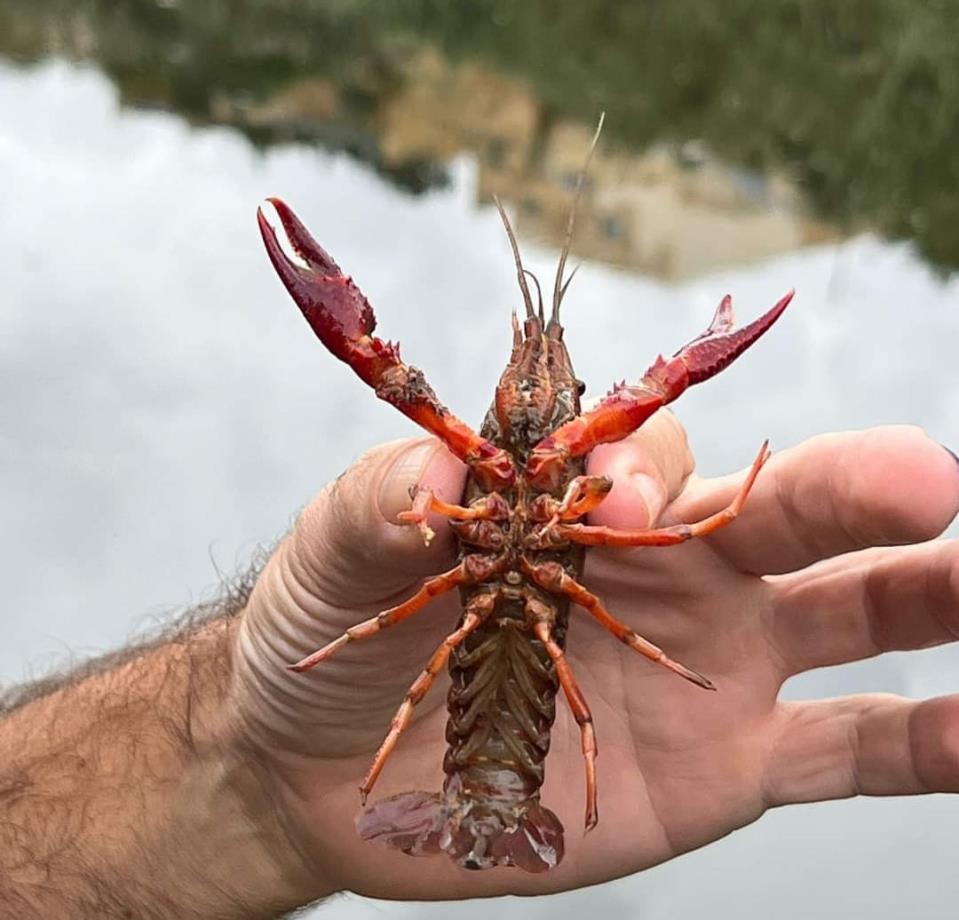
Sciberras warned against releasing pets into the wild, pointing to exotic species such as crayfish and terrapins, as well as domestic animals including feral pigeons, chickens, mallards and ducks.
Feral chickens have become a particularly unusual challenge, he said.
"I'm pretty sure that nobody considers a chicken as a pest species, right? One thinks it is a domestic animal or something to eat."
Yet Sciberras said his company receives calls from members of the public and local councils seeking help controlling their numbers.
"Right now, we have a lot of concerns and calls because feral chickens have exploded so much. You see them in roundabouts everywhere," he said.
The difficulty is controlling the population humanely and finding somewhere for captured chickens to go.
"This year I caught hundreds," Sciberras said, adding that even people willing to take 20 or 30 animals can only accommodate a fraction of those requiring rehoming.
He said both his company and his work with the Malta Herpetological Society have left him dealing with animals removed from the wild, including terrapins and snakes.
"Till my last day of work, I will make sure that I will continuously control these species humanely, because at the end of the
day, I'm an animal lover, I'm a naturalist, and I want to find the balance," he said.
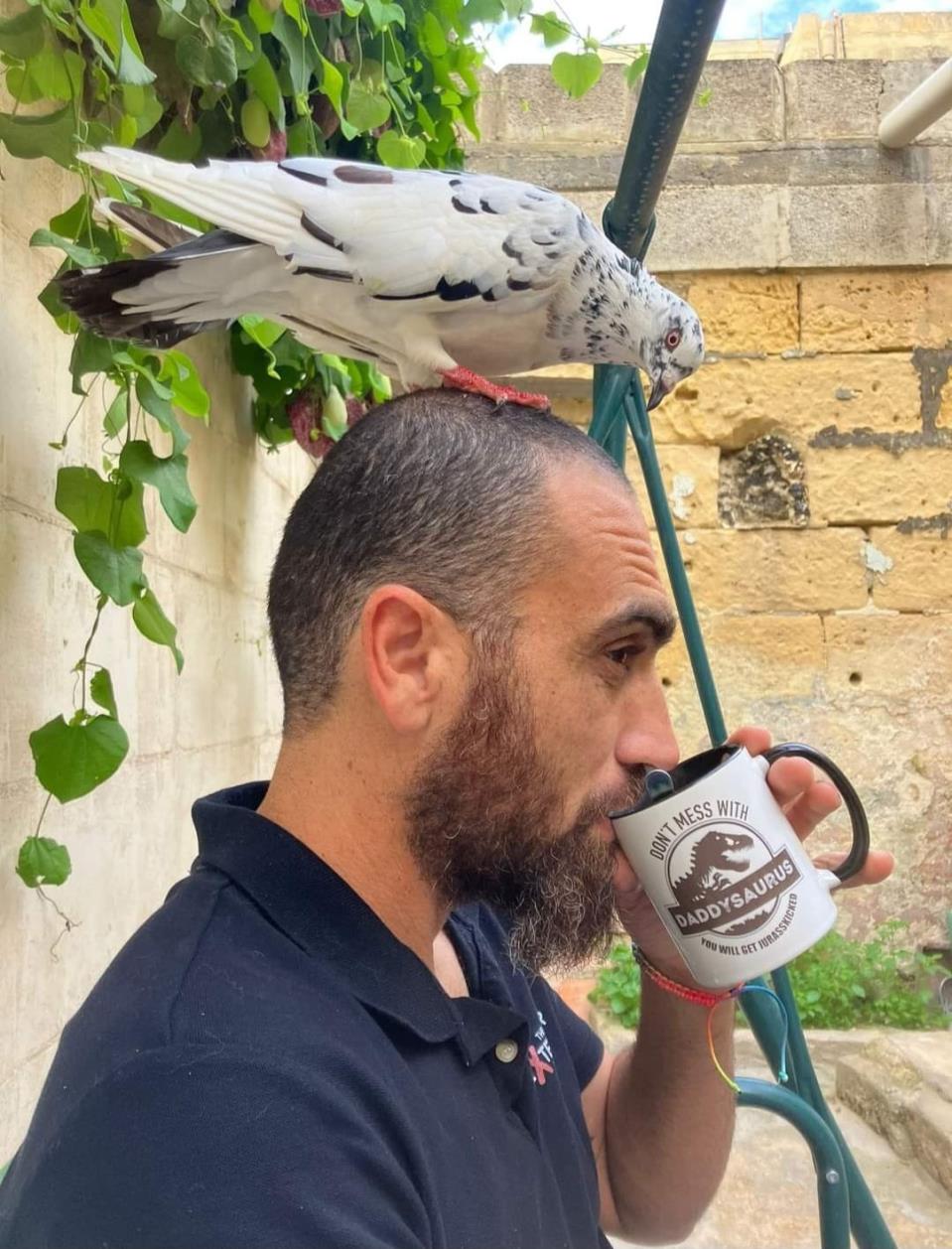
Sciberras also pointed to a contraceptive-based pigeon control programme he developed with a local council as an example of the need for long-term approaches to pest management.
He said the programme was intended to gradually reduce pigeon numbers rather than kill the birds, and predicted that continued use of the contraceptive in targeted areas would cut populations by around 30% each year.
However, Sciberras said that interest and funding subsequently faded and the programme was discontinued.
He said he had warned that pigeon numbers would increase again if the programme stopped.
"I told them also that if they stopped, the prediction is that the pigeon population would explode. And that's what happened."
Sciberras criticised what he sees as Malta's failure to consistently rely on specialists when implementing such projects, particularly when contracts are awarded primarily on price.
"The unfortunate thing here in Malta is that we pretend to use key experts and we don't actually use them," he said.
He argued that choosing cheaper interventions which subsequently fail can ultimately result in greater costs when another solution has to be brought in afterwards.
"It's a waste," he said.
For Sciberras, finding a balance between controlling problematic populations and protecting wildlife requires greater public education about which species belong in the wild, which should remain in captivity and which genuinely require intervention.
Pest management itself is more complex than simply killing an unwanted animal, he said, with professionals needing to understand legislation and wildlife while dealing sensitively with clients and residents.
"You have to know the laws. You have to protect the wildlife. You have to be empathetic with the client and with the people. I think education is key," Sciberras said.
"If I had any political power, I would push a huge educational campaign to educate the people on what should be in the wild and what should be in captivity," he said.
Sciberras said he contributes to public awareness through television programmes, lectures and publishing outside his professional work.
He described himself as a naturalist and said his entry into pest management was closely connected to his interest in conserving local wildlife.
He said that attitudes towards animals are still too heavily influenced by appearance rather than ecological importance.
"People tend to quantify the importance on just aesthetics and not the real ecological value," he said.
He said he wants the government to consult specialists from different fields as part of a wider educational campaign, including on the conservation of native animals such as geckos, lizards and snakes and the responsible control of problematic populations.
He said his concern ultimately extends beyond pest control to the wider condition of Malta's biodiversity.
Sciberras described Malta as becoming an "alien island" in terms of biodiversity and said he was increasingly losing hope over the deterioration of genuine natural spaces.
For him, adding a handful of
plants to heavily built-up areas cannot substitute for conserving functioning natural environments.
"Putting a couple of plants in a pot on a concrete square, that's not nature. That's not green for me. Green is truly conserving proper biodiversity," he said.
Sciberras said nature also needs to be brought back into Malta's increasingly urbanised towns and villages, arguing that the dominance of concrete affects people as well as wildlife.
"We need to introduce nature in urban areas and villages because three-quarters of the stress people have is because of facing concrete," he said.
"You can feel it when you go outside and you see a couple of trees. Your eyes already relax, because we are part of nature," Sciberras said.
The first part of the interview was carried yesterday