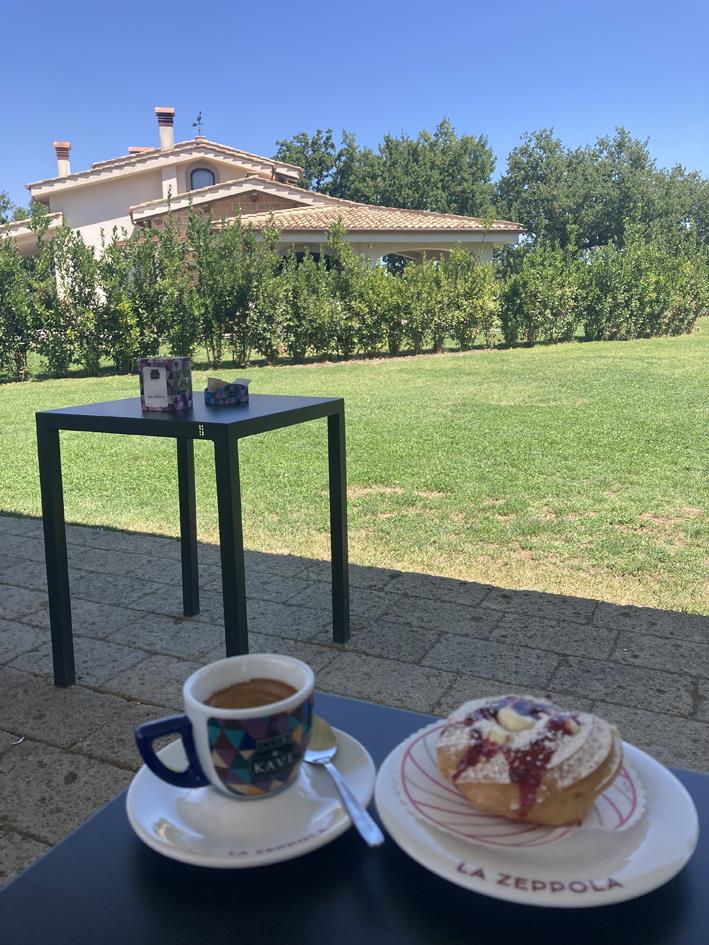
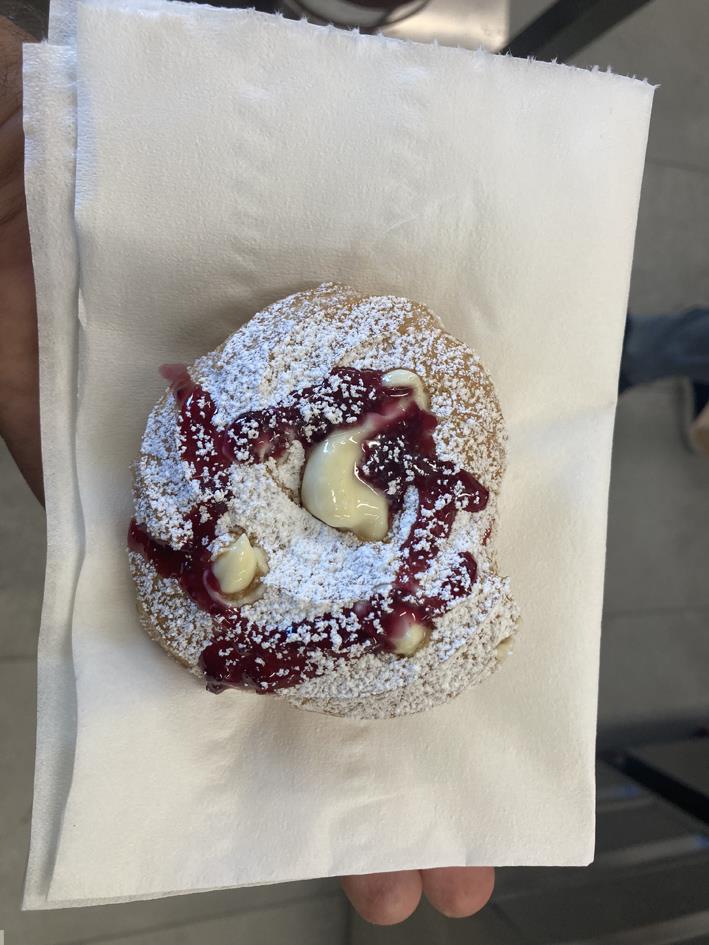
I had been in Rome for two months and was longing to go to La Zeppola in Piazza Lodi to try their zeppole. A zeppola is a traditional Italian pastry, usually made from a light dough and filled or topped with cream. There are different versions across Italy, with recipes and shapes varying from one region to another.
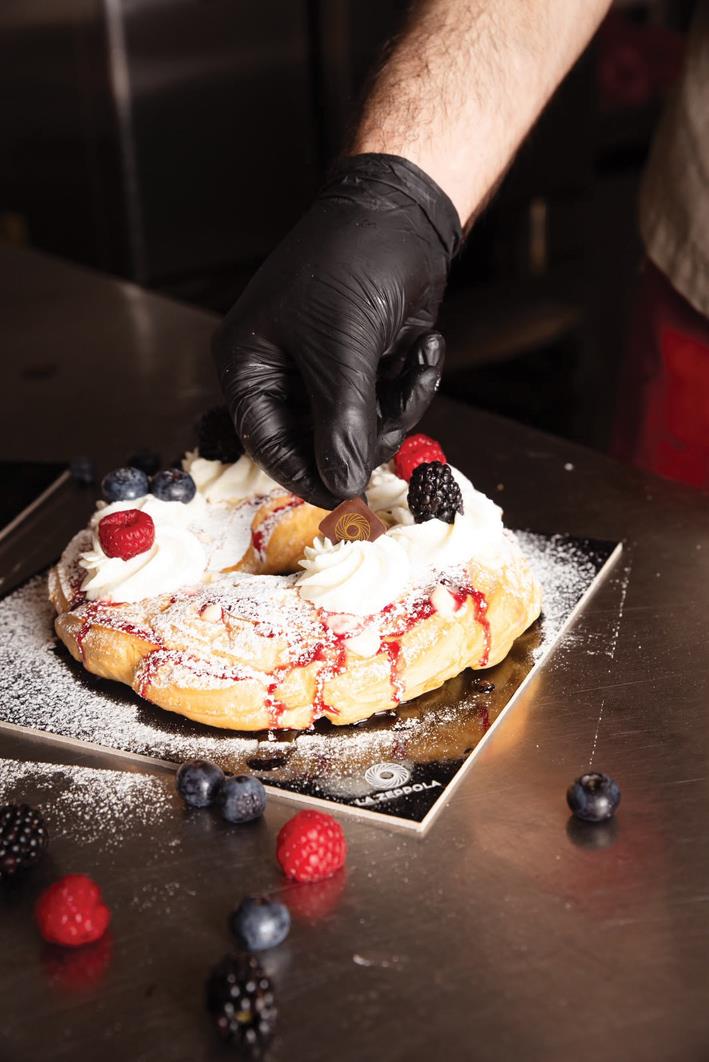
When I finally went, I asked the waitress what was special about theirs. She told me they make the Roman version of the zeppola.
That made me curious. I love Rome and everything about it, especially its food and traditions, so I wanted to know what made their zeppola Roman.
The waitress put me in touch with Cristian Vecchiato, the owner of La Zeppola. What started as a simple question about a pastry soon took me somewhere I had not expected.
Cristian did not just tell me about the business. He drove me to the family's laboratory in Rignano Flaminio, north of Rome, where I met his parents. They were extremely welcoming and made me feel at home from the moment I arrived.
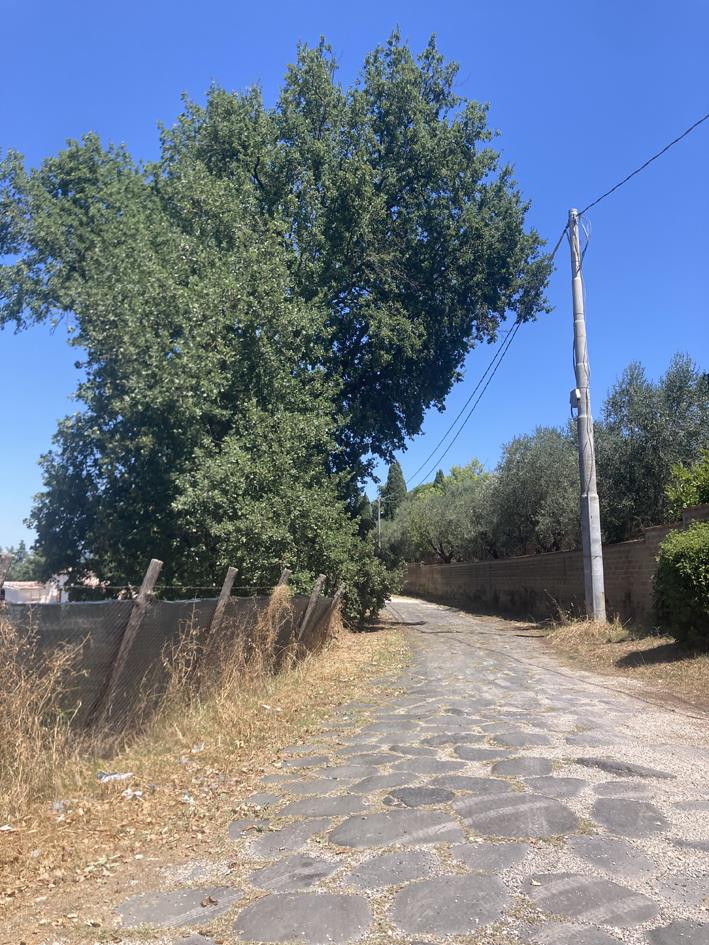
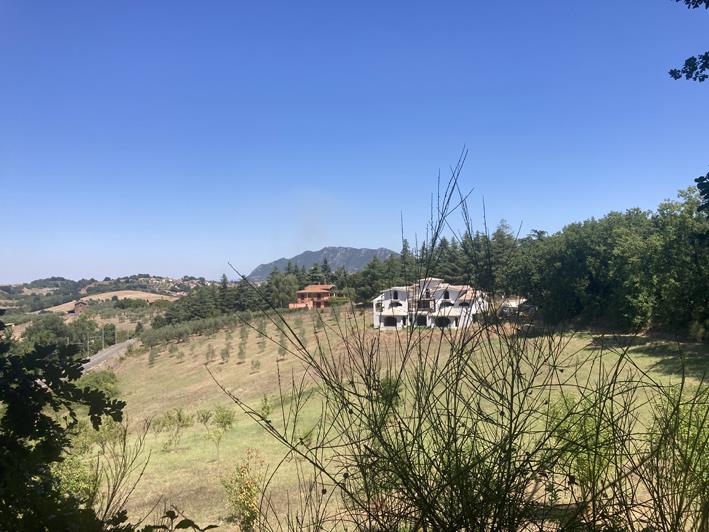
 The setting was another surprise. From the estate, I could see the imposing Monte Soratte, which I had seen before. Once again, I could make out the face of Mussolini in its profile, an optical illusion created by the shape of the peaks. Inside the mountain is the bunker built on the Duce's orders in 1937. Just outside the estate gate lies a section of the ancient Via Flaminia, its Roman basalt paving stones still visible.
The countryside around Rignano Flaminio was beautiful, with green fields and open views. For a moment, I felt as though I were in Tuscany rather than just outside Rome. It was there, along the Via Flaminia, that I understood where the story of La Zeppola really began.
Where it started
In 1996, the family opened Le Dolci Meraviglie in Rignano Flaminio. In their artisan laboratory, they created their first Zeppola Classica, which gradually became the symbol of the pastry shop.
Meeting Simonetta Porcu and Stefano Vecchiato Cristian's parents, in the place where it all started brought the family story to life.
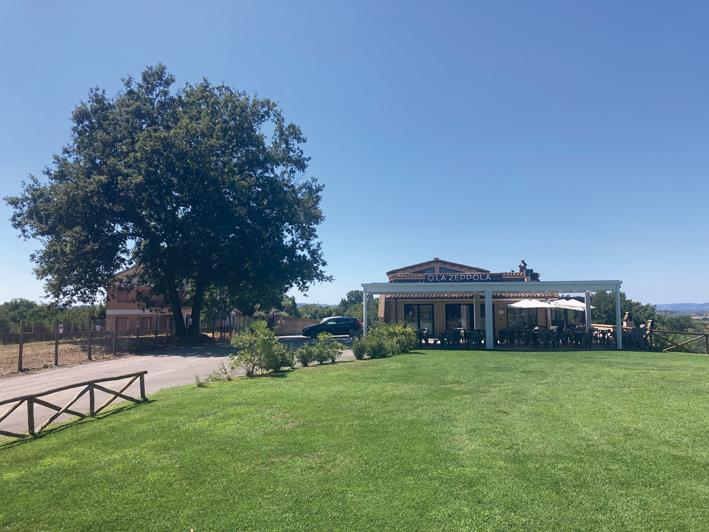
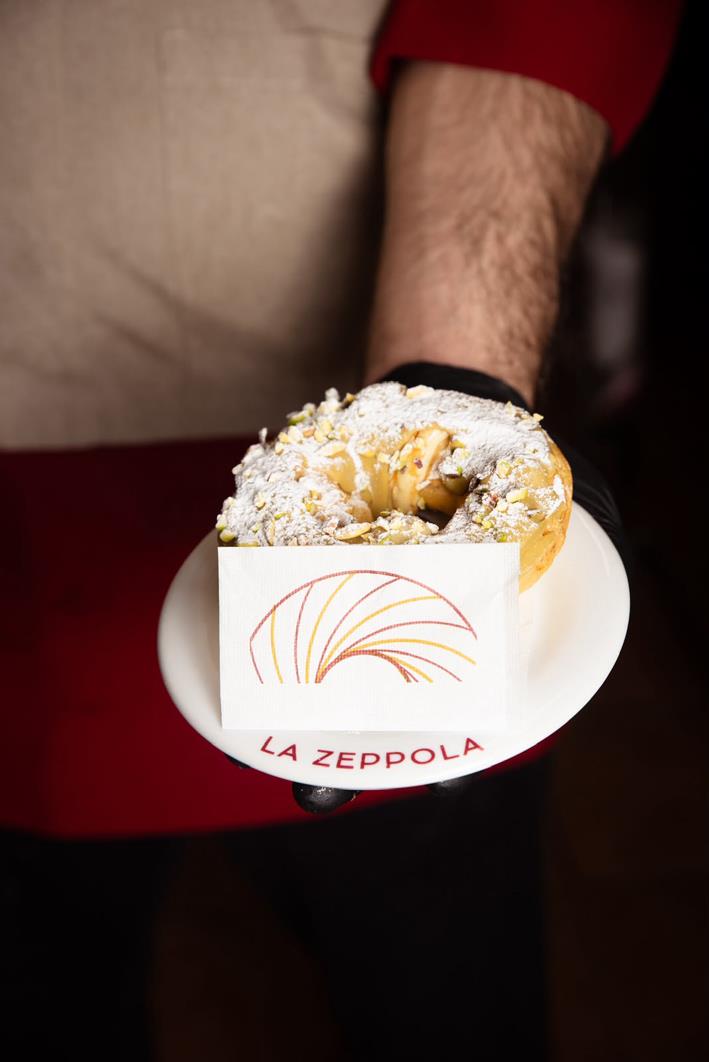
The next chapter came in 2017, when La Zeppola opened its first shop in Rome, bringing the family's tradition from Rignano Flaminio into the capital.
Their approach is based on handmade production. Their philosophy is summed up in the words l'arte è nelle nostre mani - the art is in our hands.
I also noticed something quite simple when I visited their shops: there is no music playing. You are not surrounded by sounds and distractions. The attention remains on the food and on the people making and serving it.
Their phrase Dolce porta sorrisi - a sweet brings smiles - fits this approach. But I was particularly interested in the cream.
The cream
Cristian explained that their cream is made by hand, using what they call a crema grezza di una volta, an old-fashioned cream made in the traditional way. The milk is brought to the boil and then mixed with wheat flour, sugar, eggs and vanilla.
They use flour rather than starch, no margarine and French butter. The difference can be tasted. There is a simplicity to the cream, but it has a fuller flavour than many made with more modern ingredients, and this has become part of their Roman interpretation of the zeppola.
It is easy to forget how many traditional recipes begin with very basic ingredients, but the way they are prepared can make all the difference.
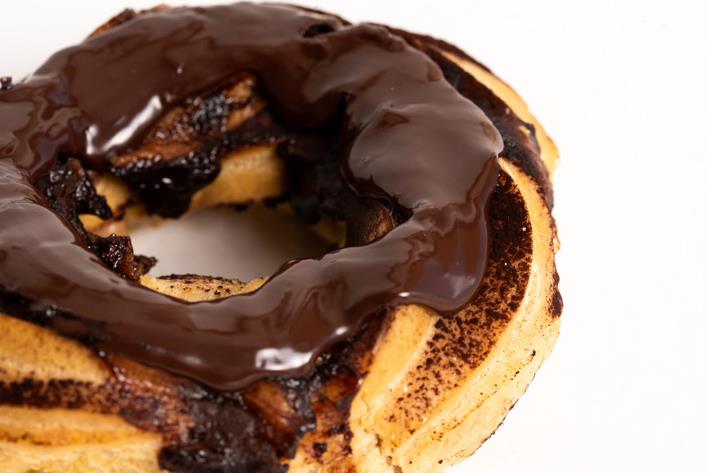
That is where the word retrogusto comes into the story. It is the flavour that lingers after the first taste, and with a good cream, that aftertaste can tell you quite a lot. The flavour remains noticeable after the first bite.
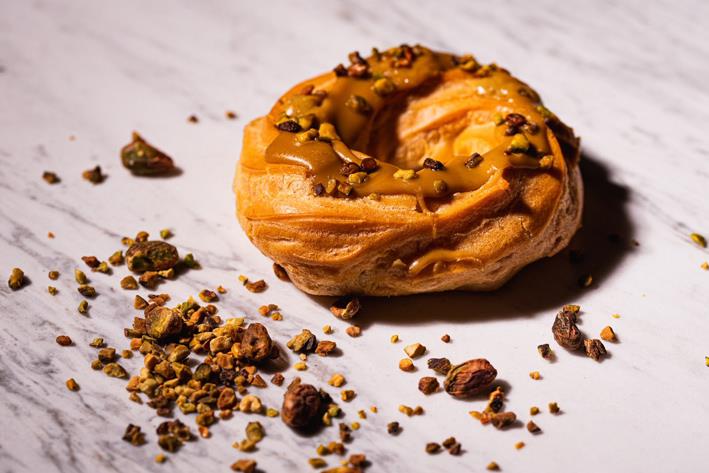
Cristian also told me about their pistachio ice-cream, made without added sugar so that the flavour of the pistachio comes through naturally. Buffalo and goat milk are also used in some of their preparations.
The zeppola itself is also different from a standard bignè. The dough is light and soft but has enough structure when you bite into it. Cristian explained that it is neither classic choux pastry nor ordinary bignè dough. The aim is to find the right balance between being airy and remaining substantial.
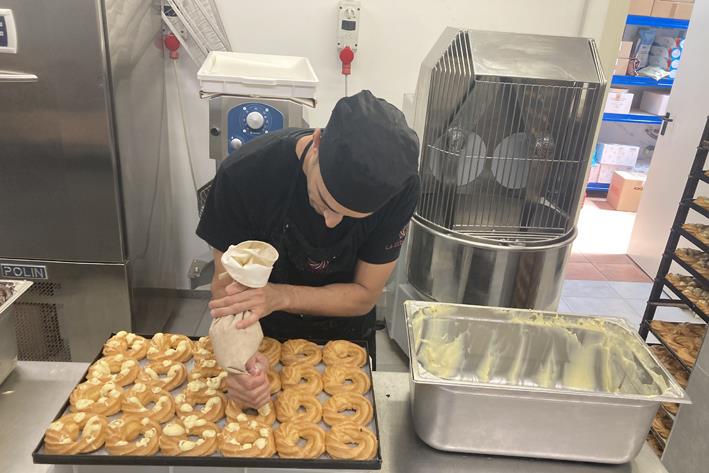
Seeing it differently
Standing in the laboratory and listening to Cristian and his parents explain all this made me look at the pastry differently.
In a shop you normally see only the finished product. You choose one, eat it and move on. But seeing where the pastry is made and meeting the family behind it gave me another perspective.
I had gone to Piazza Lodi because I was curious about a Roman zeppola. Instead, Cristian drove me out of Rome and back to where the family business began.
The story started in Rignano Flaminio in 1996 with Le Dolci Meraviglie and the first Zeppola Classica. Three decades later, La Zeppola now also lies in the city centres of Rome in Lazio, Turin in Piedmont and Arezzo in Tuscany, all run by family members.
For me, this is one of the reasons I never get tired of returning to Rome. Even when I think I know the city well, there is always something else behind the places I discover. Sometimes it is a monument or a painting. Sometimes it is a small family business. And sometimes, it is a zeppola.
What began with a question to a waitress in Piazza Lodi ended with me meeting Cristian's family, seeing the laboratory where their tradition continues and discovering a beautiful corner of the Roman countryside. I had gone to taste a Roman zeppola. I ended up discovering the family behind it.