Arts Council Malta is implementing a major training initiative, supported through a €1 million funding allocation, to strengthen the skills, professional capacity and long-term resilience of people working across Malta's cultural and creative sectors.
Running from April 2025 to December 2028, ESF+.03.243, Strengthening Malta's Cultural and Creative Sectors through Lifelong Learning, is co-financed by the European Social Fund Plus. The project is led by Arts Council Malta and is being delivered in collaboration with a broad network of cultural, educational and sectoral partners.
The initiative responds to the limited availability of structured professional-development opportunities within the sector, particularly for freelancers, self-employed practitioners and people working within micro-enterprises. Its development was informed by a Training Needs Analysis, which identified existing skills gaps and a growing need for competencies related to digitalisation, sustainability and changing professional practices.
The project builds on the experience of CREATE 2020, the previous ESF-funded capacity-building project implemented between 2018 and 2022, while introducing a broader and more structured lifelong-learning offer. It also supports Arts Council Malta's wider strategic direction by translating its emphasis on professional and sectoral development into a substantial capacity-building project.
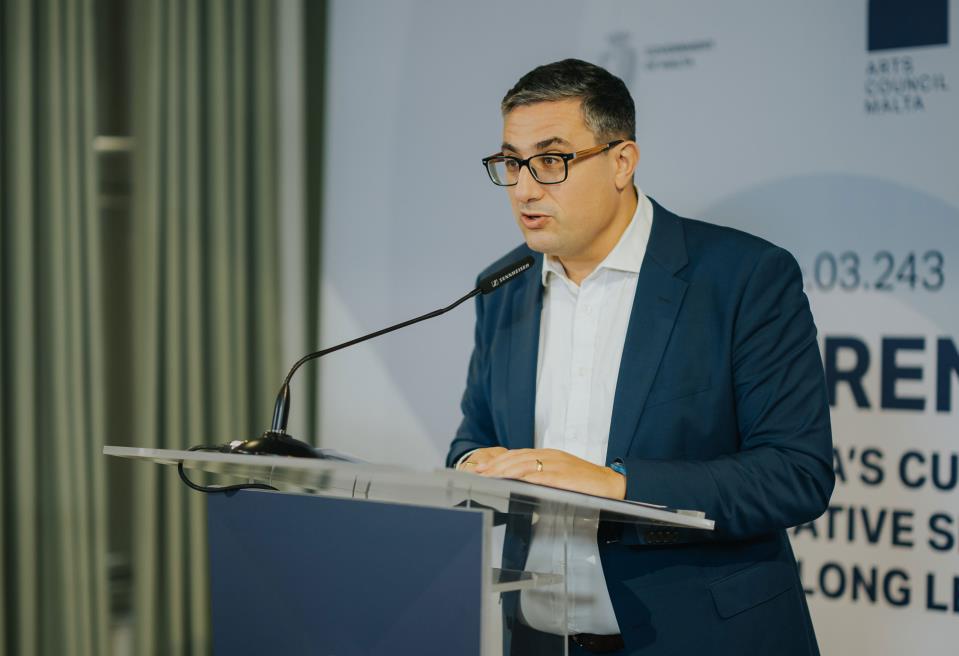
Minister for Arts, Culture and National Heritage, Dr Malcolm Paul Agius Galea emphasised that investment in the cultural sector must work closely with investment in the individuals who pour life into it. "Artists and cultural professionals are at the heart of our cultural ecosystem and that is why we must keep creating conditions so that they may develop their skills and build professional and sustainable careers. This project is part of a wider vision that sees the artist as a professional and invests not only in cultural production but also in the knowledge, abilities and longterm development of those working within the sector. When we invest in these individuals, we invest in our country's cultural future," said the Minister.
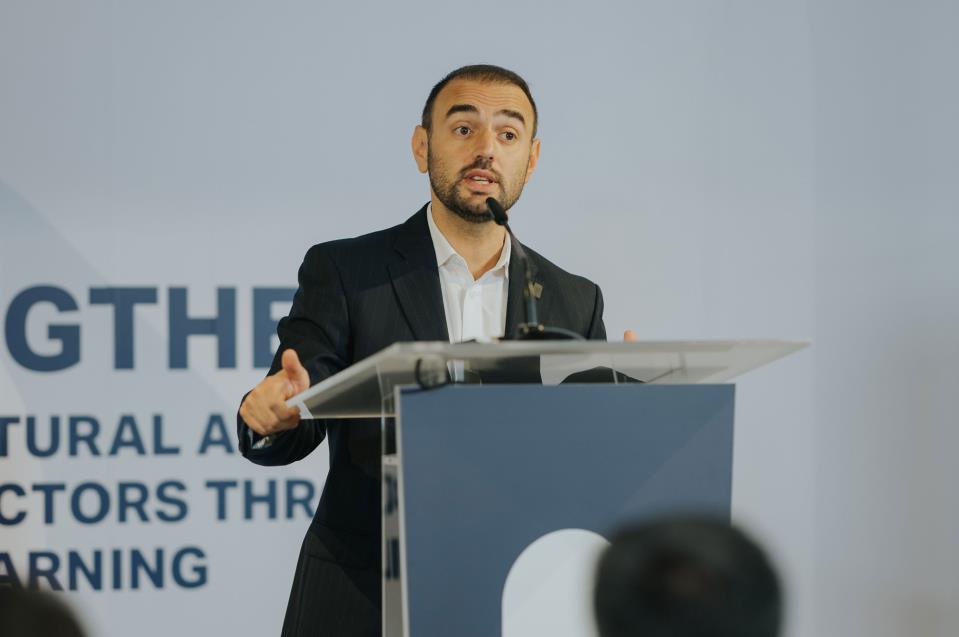
Minister, Keith Azzopardi Tanti highlighted that this investment, amounting to €627,000 in European funds, is clear testimony of how European resources are being translated into real opportunities for individuals. "Through this project, we will be directly investing in the skills, professional development and futures of over 470 people working in the cultural and creative industries. We would like European funds to be used as a tool to strengthen people's abilities, encourage innovation and help our cultural sector to become more sustainable, inclusive and resilient," said the Minister.
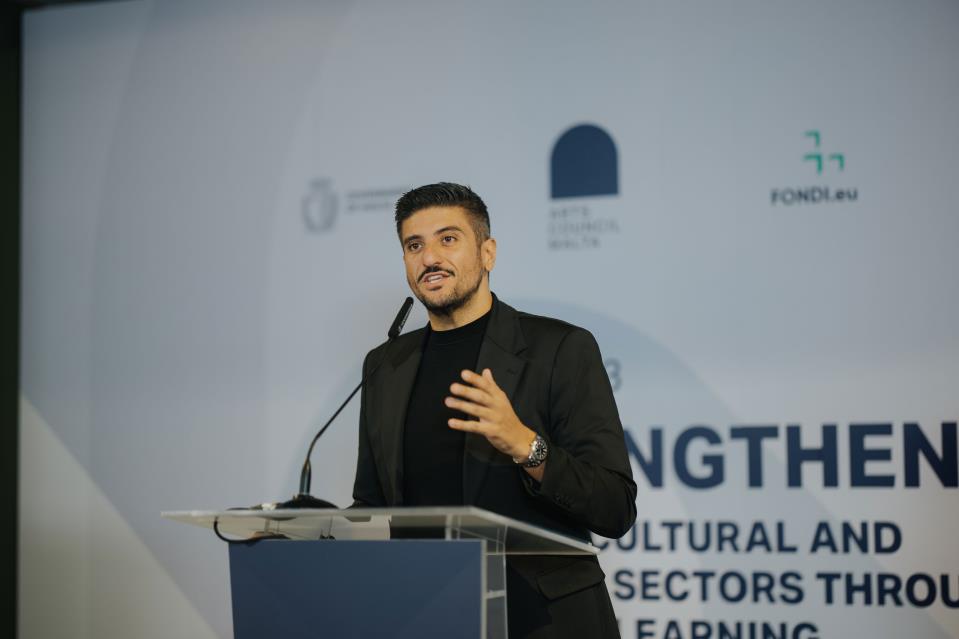
Dr Luke Dalli, Executive Chair at Arts Council Malta said "Investment in the cultural and creative sectors ultimately means investing in the people who make these sectors what they are. A strong cultural sector is not built through projects alone; it is built through people, their knowledge, their skills and the opportunities they have to continue developing professionally. Through this project, we are translating our strategic commitment to professional development into concrete opportunities that respond to the realities and needs of our sector, helping artists and cultural professionals build more sustainable careers and enabling organisations to become more resilient, inclusive and responsive to change,"
The project is organised around two complementary pillars. Training Grants support eligible public-sector employees, as well as independent cultural and creative professionals, in undertaking specialised professional training abroad or online. Eligible activities include short courses, masterclasses, conferences, seminars and workshops abroad, networking opportunities overseas, and online courses. Funding of up to €2,000 is available per applicant.
These grants are intended to address development needs that may not be met through training available locally, while complementing the project's second pillar: Specialised Local Training.
The specialised local training programme comprises 18 modules divided equally among three areas: Right to Culture, Sustainability and Creative Entrepreneurship. The modules are structured across MQF Levels 3, 4 and 5 and combine face-to-face sessions with digital learning resources. Participants may follow individual modules and can opt to pursue accredited certification.
Right to Culture focuses on accessibility, participation, inclusion and engagement. Sustainability addresses the environmental, social and economic dimensions of cultural practice, together with organisational resilience. Creative Entrepreneurship develops the business, financial and entrepreneurial capabilities needed to build more sustainable creative careers and organisations. Digitalisation and other transferable skills are incorporated across the three programmes.
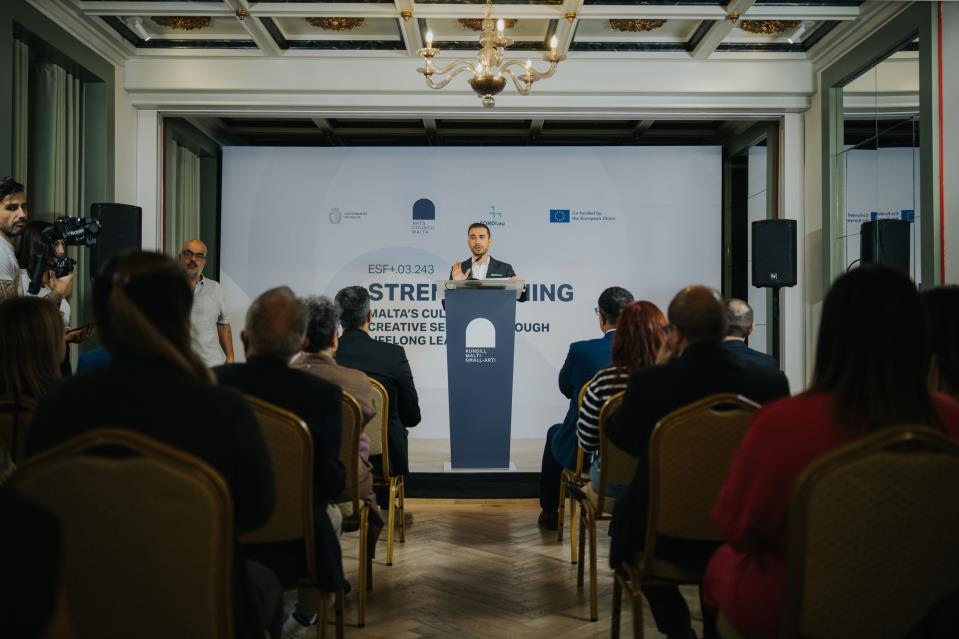
Daniel Azzopardi, Director Strategy and Project Leader at Arts Council Malta, said the initiative was designed around the realities experienced by Malta's cultural workforce.
"Access to structured professional development has not always kept pace with the sector's growth. This can be especially challenging for freelancers and those operating within small or micro-enterprises, who may have fewer opportunities to dedicate time and resources to training. The Training Needs Analysis helped us identify where the most pressing gaps lie, while also highlighting the need to prepare for changes that are already reshaping cultural work."
"The two pillars were therefore designed to work together. Importantly, the project brings together public cultural-sector employees, independent practitioners, creative businesses and voluntary organisations. The project's success will not simply be measured by the number of courses delivered. What matters is whether participants gain knowledge they can apply in their professional practice, whether organisations become stronger and whether the sector develops more sustainable and adaptable ways of working."
Delivery of the Specialised Local Training programme has now started, with Right to Culture being the first of the three training areas to be rolled out. Training has already progressed to the second module, while applications remain open for subsequent modules according to their respective deadlines. Sustainability and Creative Entrepreneurship modules will follow progressively during the project implementation period.
Participation in the local training is free of charge and is open to public-sector employees; independent cultural and creative professionals; and employees of private-sector or non-governmental cultural organisations.
The participating Public Cultural Organisations are Malta International Contemporary Art Space, Festivals Malta, the Malta Philharmonic Orchestra, the Mediterranean Conference Centre, the National Agency for the Performing Arts, Pjazza Teatru Rjal, Fondazzjoni Kreattività, Teatru Manoel and the Valletta Cultural Agency.
Further project partners include the Culture Directorate, the Local Government Division, MCAST, the University of Malta's Centre for Environmental Education and Research and Department of Public Policy, the Malta Council for the Voluntary Sector and the Malta Chamber of SMEs.
For more information visit https://artscouncilmalta.org.