The passing of Countess Carla Compagnoni Floriani last week marks the loss of a remarkable woman who dedicated much of her life to preserving the story of a family whose roots stretch back almost a thousand years and whose name became permanently woven into the history of Malta.
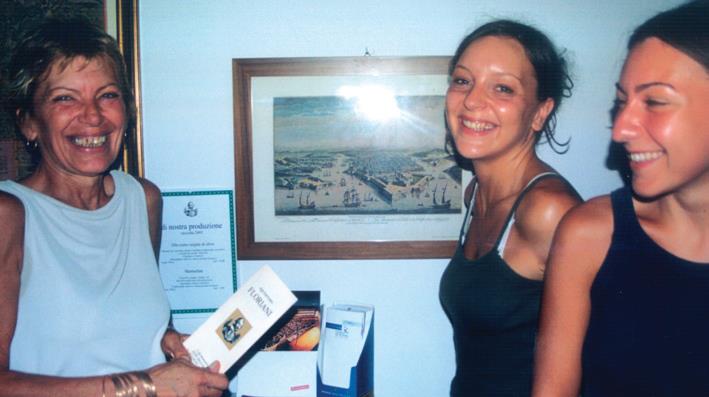
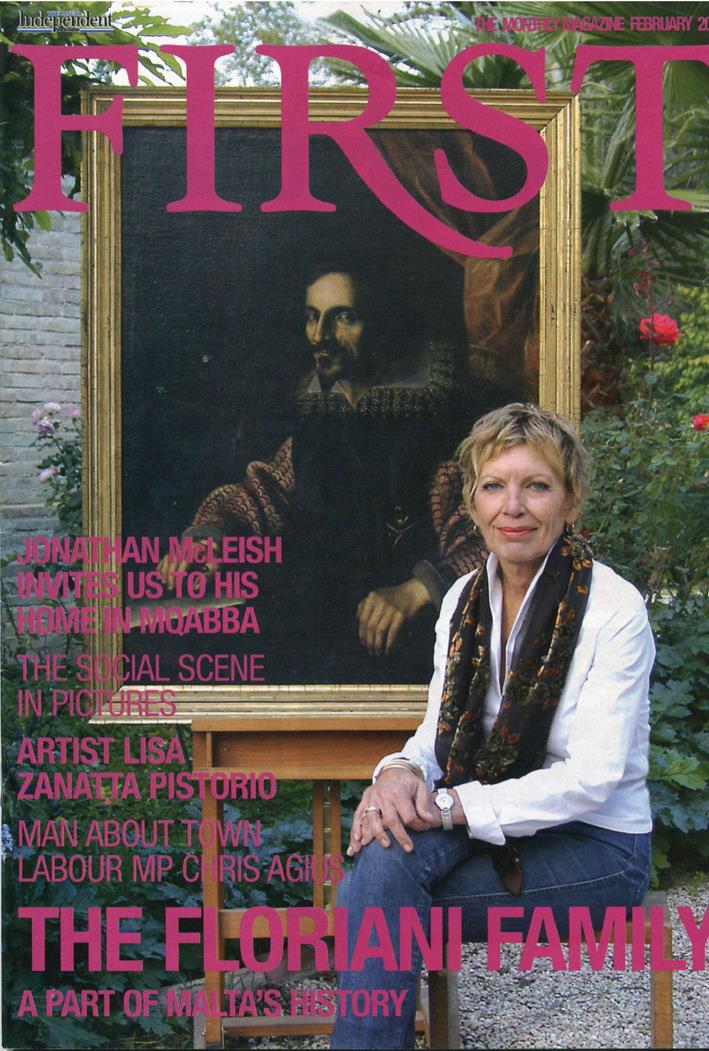
In an interview published in First Magazine which I was then editing for The Malta Independent on Sunday, in the issue of February 2004, Carla was interviewed by Irene Canovari. Then she spoke not only about her distinguished ancestor, Pietro Paolo Floriani, the military engineer responsible for the Floriana Lines, but also about her own extraordinary journey through life. What emerges from the interview is a portrait of a woman who viewed history not as something preserved behind glass, but as a living presence connecting generations across centuries.
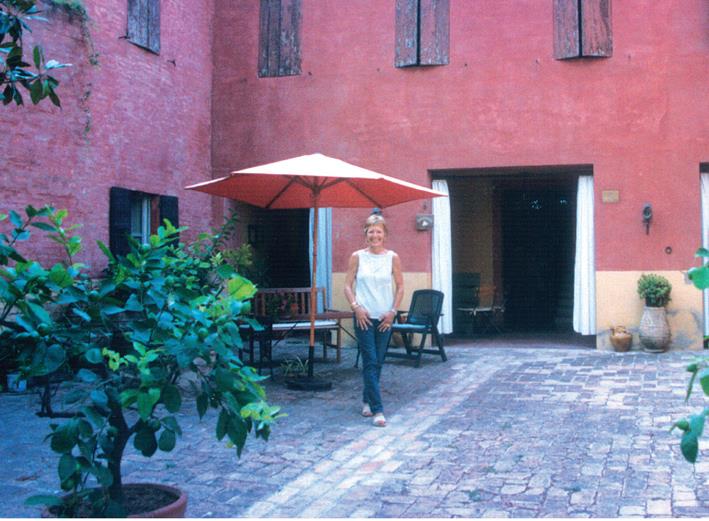
Born on 29 October 1948 in Montevideo, Uruguay, Carla entered a world of movement and adventure. Within days of her birth, she was travelling with her family to Argentina. Travel would become a defining feature of her childhood and early adulthood. Growing up in Buenos Aires, she experienced a cosmopolitan atmosphere filled with culture, theatre, architecture and a sense of freedom that left a lasting impression on her.
Her father, Eros Compagnoni Floriani, was himself an enthusiastic traveller. Long sea voyages between South America and Europe were a regular part of family life. These journeys exposed Carla to different languages, cultures and landscapes from an early age. By the time she was six years old, she was already speaking several languages and had developed the curiosity and openness that would characterise her throughout her life.
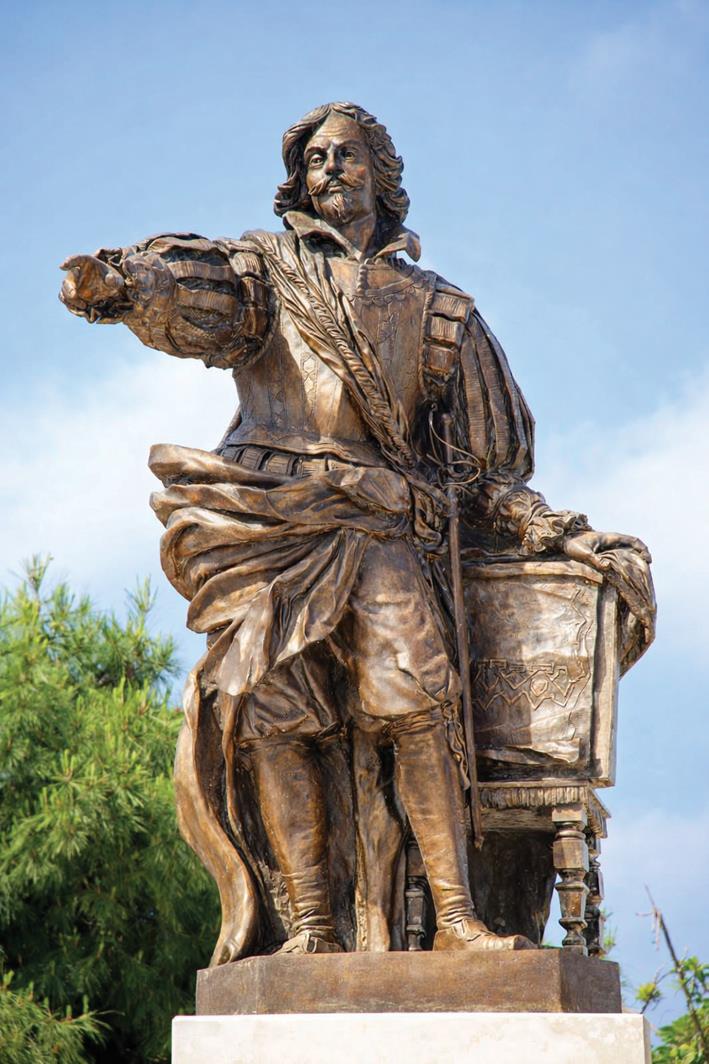
Political unrest in Argentina eventually prompted the family's return to Italy in 1959. Settling in the Marche region, Carla encountered a very different world from the wide avenues and urban rhythms of Buenos Aires. In the countryside around Macerata stood Montanello, the family's historic hunting lodge dating back to the sixteenth century. Surrounded by nature and filled with the accumulated memories of generations, it became the place where her deepest connection with family history began.
It was there that Carla first learned in detail about her ancestor Pietro Paolo Floriani. She recalled how history seemed to come alive through portraits, letters and archives preserved by successive generations of the family. She spoke of recognising physical similarities with ancestors staring back from old paintings and of discovering family traits reflected in old handwriting, artistic interests and personal characteristics.
The preservation of the family archive became one of the great missions shared by Carla and her father. For many years, her father organised and catalogued correspondence dating back centuries. After his death, Carla continued this work, spending countless hours among the documents he had lovingly preserved. The archive represented more than historical evidence; it was a dialogue between generations.
Carla often described the emotional experience of reading letters written centuries earlier. Through them she felt connected to the hopes, disappointments, achievements and struggles of people who had come before her. This sense of continuity shaped her understanding of identity and history.
Particularly important to her was the figure of Pietro Paolo Floriani. Research carried out by her father and later expanded with the assistance of historian Professor Giuseppe Adami revealed an energetic and complex personality. Floriani was not merely an engineer but also a soldier, strategist, adventurer and scholar.
Born into a family already associated with military architecture, Pietro Paolo inherited both talent and ambition. His father Pompeo Floriani had been a respected military engineer who had written about fortifications and had observed Malta's early defensive works. Pietro Paolo built upon this inheritance and established a distinguished career throughout Europe.
His life was marked by dramatic events. A youthful involvement in a fatal duel forced him to leave familiar surroundings. The death of his first wife shortly after childbirth brought further personal tragedy. Yet these hardships appear to have strengthened rather than diminished his determination.
Among the most fascinating episodes described by Carla was Floriani's secret mission to Algiers on behalf of the Spanish crown. Tasked with gathering intelligence on military fortifications and preparations, he undertook a dangerous journey into hostile territory. His detailed reports demonstrated both courage and professional expertise.
By the early seventeenth century, Floriani had established a formidable reputation as a military engineer and commander. His achievements eventually brought him to Malta in 1632, where he was invited to advise the Knights of St John on strengthening the landward defences of Valletta.
The project that followed would ultimately give rise to the Floriana Lines and lead to the naming of the suburb of Floriana in his honour. Although his proposals generated controversy and criticism during his lifetime, history ultimately recognised the significance of his contribution. Today his name remains permanently associated with one of Malta's most important historic localities.
Yet perhaps the most memorable aspect of the interview was not the history itself but Carla's relationship with it. She approached her heritage not with pride alone but with curiosity, affection and responsibility. She understood that family history survives only when someone chooses to preserve it.
Through her research, her stewardship of the family archives and her willingness to share these stories with others, Carla ensured that the legacy of the Floriani family would remain accessible to future generations. She served as a bridge between past and present, bringing historical figures to life through personal insight and careful scholarship.
Today, as we remember Countess Carla Floriani Compagnoni, we honour not only a descendant of a famous family but also a guardian of memory. Her life reminds us that history is ultimately made meaningful by those who preserve, interpret and share it. Through her efforts, the story of Pietro Paolo Floriani and the wider Floriani family continues to live on, both in Malta and beyond.
Dear Carla, thank you so much for your invitations to come and stay with you in Macerta, it was impossible at the time.
To her husband Andrea, her daughters, Valentina and Veronica, nephews and nieces and other family members I send my respects and condolences and I will pray for her. May she rest in peace.