Scott Le Cross's all-male production of Jean Genet's 1947 classic, in Martin Crimp's translation, strips the play of its familiar comforts and finds new force in its themes of power, shame and dehumanisation.
I sat in the front row thinking I knew exactly what I was going to get. I knew the classic: an absurdist drama about two sisters who act out the master-servant relationship like an elaborate game of Dom/sub make-believe, pushed to the extreme. I was a little unsure why an all-male cast had been chosen, and wondered how different the message could really be.
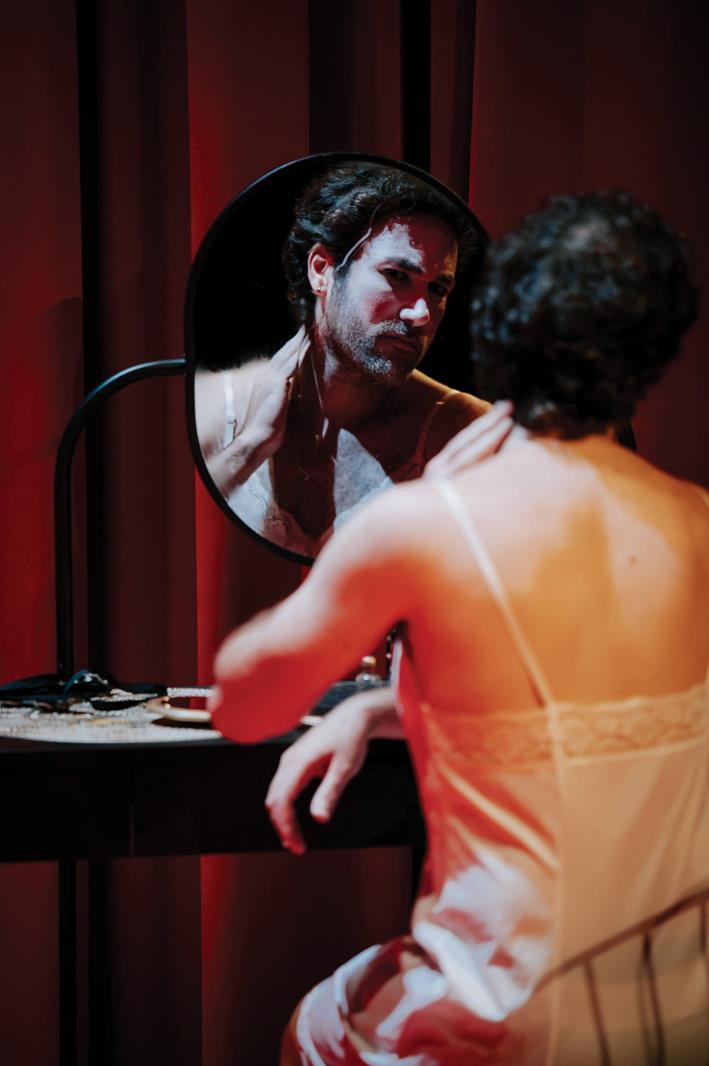
What I was presented with was a message as clear as day, and moving in a way I hadn't expected. We all know the prominent themes, we know what the play conveys, and we know the struggles and the mental loop each character is caught in. But I must give my respect and admiration to the actors who took on such important and relatable roles. Although the script dates from 1947, it still speaks to us in a way that feels a bit too real and uncomfortable. Maybe that is what this society needs, and the cast and director delivered it in the most impactful way possible.

original play is harsh, aggressive and uncomfortable, and I felt the all-male casting portrayed those qualities in a way you wouldn't expect. So many of the play's themes are "normalised" for women, but the second the roles were reversed, a whole Pandora's Box of perspective opened up. Le Cross, an award-winning queer director and dramaturg from Birmingham, has been clear that his decision does not poke fun or convey a trans narrative. He chose an all-male cast to emphasise the play's message and the harsh reality of oppression and dehumanisation that so many women have faced.

You might expect the language and tone of the script to be adjusted for an all-male cast. Instead, Le Cross kept the script the same, and the change in who speaks the words made it feel like a completely different story. In essence, it kind of was. Striking lines such as "Get out. Take your gobs of spit with you" felt different in this context, especially given how powerfully the play tapped into shame within the queer community. The production also touched on subcultures and tribes, and experimented with fetish without shaming these kinks, presenting instead the reality of identity and desire in queer life.
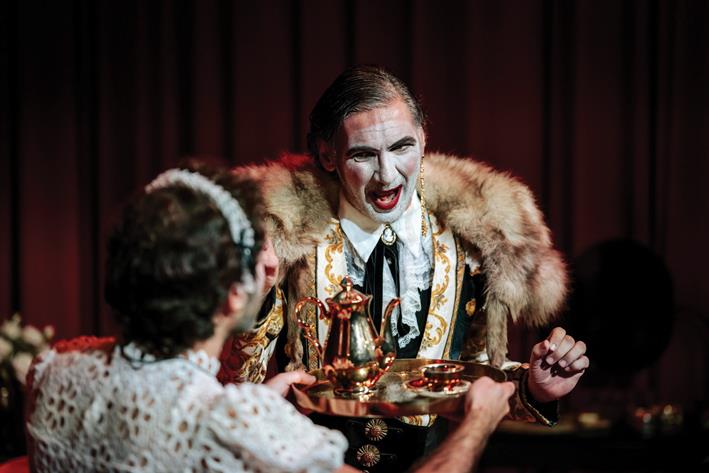
Solange (Victor Debono) and her younger sister Claire (Anton Saliba) switch between the roles of mistress and maid in their fantasy of power, domination, servitude and rebellion, until Madame (Malcolm Galea) enters, bringing with her the story of the sisters' part in getting her lover arrested for theft. The play is not only about fantasy but about reality and role-play becoming intertwined. In Martin Crimp's translation of Genet's script, the resentment and power battles between the sisters merge with the hatred between servant and mistress until they become dangerously indistinguishable. The actors made no attempt to imitate a female voice, and that choice accentuated the fragility and harshness of the "game" they were all caught in.
The acting went far beyond what I had expected, and each role had its own importance while fitting together seamlessly. Galea played Madame, a role that controls the fantasy and the game between the maids while she is in as deep a hole as they are. He has built a reputation as an actor in Malta over the years, always performing strongly and movingly, and this was a tough part that he filled perfectly: the tall stature, the poised but passive-aggressive remarks, everything one would expect of a Madame. His physique might also suggest the typical "strong man", but here he had to twist that around, still intimidating but in a female role, a woman who is, at the end of the day, wearing a mask. He owned the stage with a controlled performance and an arrogance that parades as graciousness.
Debono's Solange struck me the most. His demeanour and portrayal reminded me of Glenda Jackson's take on the role in the 1975 film version. His projection was certain and strong, and although the script means the maids to be perceived as weak, I was constantly eager to see more of them on stage. Saliba played Claire in a quietly magnificent way: strong, vulnerable and chilling by turns, and assertive in his choice of words. I hadn't seen much of his work before, but he is an actor you shouldn't miss in anything. His expressive features grab your attention, and the audience became more and more intrigued by him as the play went on.
The stage design was intentional, focusing on the room where Madame gets ready and allowing the characters to fully indulge the fantasy. The room is all red, with Madame's expensive items scattered around it, highlighting the class separation between the maids and their mistress. Yet when the sisters played their game, everything flowed naturally, as if the room were theirs to own and strut around in.
What might have seemed a dated story of a maid and her mistress is made newly topical by the all-male cast, which pushes its messages to the forefront.
Photos: Justin Mamo