When Malta in 1565 is mentioned, attention usually turns to the Great Siege: the Knights of St John, the Ottoman army and the battles that became part of the island's historical memory.
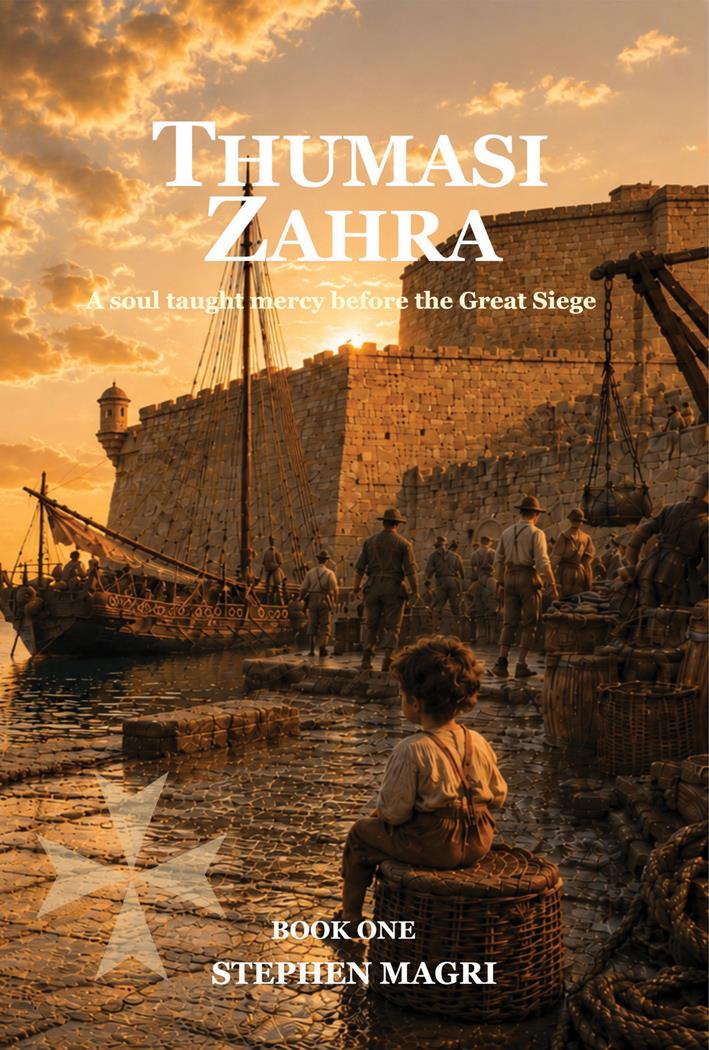
However, Thumasi Zahra - A soul taught mercy before the Great Siege, a historical novel by Stephen Magri, takes a different approach, exploring the everyday life of Birgu in the years before the historic conflict.

The story begins in 1547, when Thumasi is just four years old. The son of a harbour labourer, he grows up within sight and sound of Birgu's quays, unaware of how profoundly the world around him will shape his future.
As he grows older, Thumasi encounters a society of dockworkers, sailors, captives, noble households and members of the Order of St John. His growing ability with languages gradually opens doors beyond the circumstances of his birth, although social class and the limitations it imposes remain ever present.
In the novel, Birgu is more than a fortress awaiting the Great Siege. It is a living community where people work, quarrel, pray, marry and raise families. Noble households stand alongside those of labourers, while ships bring commerce, danger, news and unfamiliar faces into the harbour. Faith is woven into the fabric of everyday life.
Consequently, the world of Thumasi is portrayed through kitchens, workshops, narrow harbour lanes, church interiors and family gatherings as much as through military preparations. His family and neighbours are central to the story, representing the community and values that shape his character.
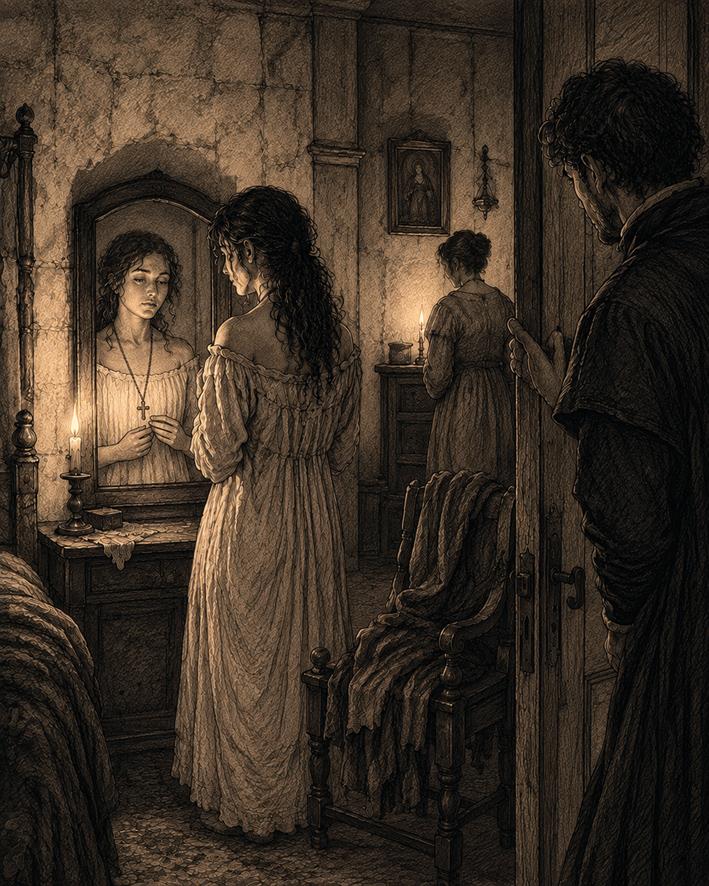
Around him is a diverse group of characters, including a devout and practical mother, a reserved harbour-worker father, a witty and protective older sister, and a young noblewoman whose intelligence and sense of duty are constrained by her social position. Her proud and volatile brother embodies the dangers of an honour-driven society, while a battle-worn knight recognises abilities in Thumasi that others overlook. A parish priest, meanwhile, offers spiritual guidance through challenging questions rather than easy answers.
Through these characters, the novel explores one of its central themes: the meaning of mercy in a violent world.
From an early age, Thumasi struggles to understand the suffering of others. After witnessing chained men in the harbour, he questions why God allows such suffering to continue without freeing them. Later, his parish priest introduces him to the words Manus Christi - "the hands of Christ" - teaching him that faith does not remove the responsibility to act. Mercy, in this sense, must often be expressed through ordinary human actions.
The novel does not present faith as a source of simple answers. Its historical world is marked by slavery, captivity, war, inequality, ambition and cruelty. Good people do not always know the right course of action, while wrongdoing is not necessarily the work of straightforward villains. The result is a moral landscape that invites reflection without becoming a sermon.
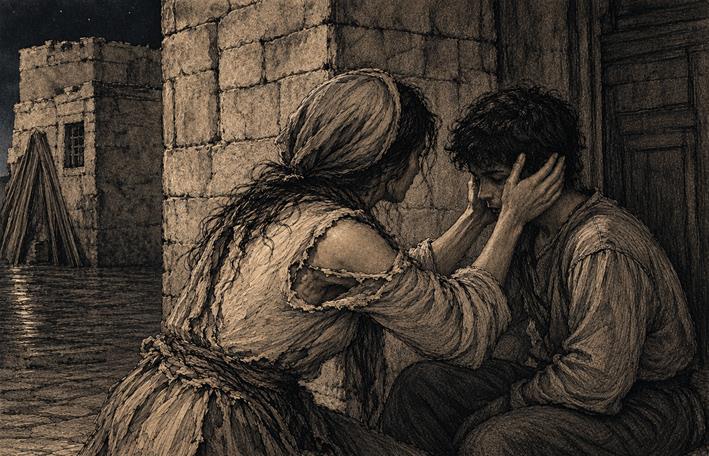
Thumasi's instinct to help those in danger repeatedly leads him towards acts of courage whose consequences he cannot anticipate. Over time, these actions are reflected in loyalty, trust and remembrance, suggesting that acts of kindness and courage can leave a lasting impression beyond the moment in which they occur.
Another important dimension of the story is Thumasi's growing affection for a young noblewoman whose social standing places her beyond his reach. Their relationship develops within a society governed by family authority, reputation and rigid class distinctions. Rather than imposing modern romantic expectations on a Renaissance setting, the novel allows the social conventions of the period to shape their relationship, with silence, distance and small gestures carrying much of its emotional weight.
The writing itself reflects this approach, favouring tangible details over lengthy explanations. Stone, rope, bread, shutters, keys, ink, worn clothing and the harbour at night help establish the atmosphere of 16th century Birgu, while emotions are often conveyed through gestures and unspoken thoughts.
The harbour is particularly significant in Thumasi's development. It is where he first learns to be useful and where he develops the ability to listen to different languages, recognise exaggeration and understand the subtle differences between what people say and what they mean. His strength ultimately lies not in becoming a warrior, but in his ability to observe, remember, assess situations and recognise when words do not match circumstances.
His development is gradual and grounded in everyday experience. He is shaped by work and the people around him long before the events of history begin to demand more of him.
Throughout the novel, the approaching Great Siege provides an underlying sense of anticipation. Readers know that the younger characters are moving towards a defining historical crisis, even as their immediate concerns remain focused on family, relationships, ambition and personal choices. Small disputes, acts of pride and gestures of mercy acquire an additional significance against the backdrop of the conflict to come.
The first book deliberately concludes before the Siege itself. Its purpose is to introduce readers to Birgu as a community before it becomes a battlefield: streets inhabited by families before defenders, homes filled with ordinary tensions before fear, and a harbour serving the needs of daily labour before becoming part of one of the most significant conflicts in Malta's history.
Ultimately, Thumasi Zahra - A soul taught mercy before the Great Siege is less a novel about war than one about personal development. It explores how a boy discovers the man he may become, and how family, faith, social class, work, love and mercy shape his character before history places greater demands upon him.
The eBook was published on 9 October.
Further information is available at stephenmagri.weebly.com