What kind of relationship develops between an artist and a landscape when they meet through painting? In en plein air practice, the landscape becomes more than a subject to be observed, entering into a dynamic exchange with the artist as light, weather, time and emotion shape the encounter.
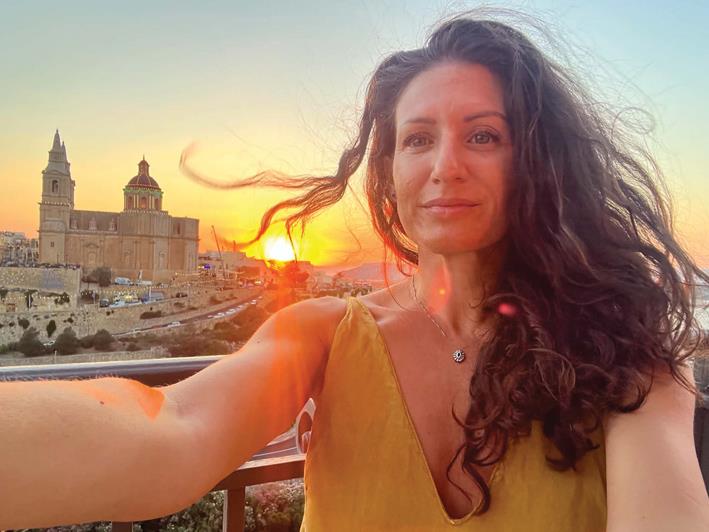
Debbie Bonello, a prolific painter since 2016, is particularly known for her free-spirited plein air landscapes and seascapes in oil, with her work shown widely, including as part of the Inspired in China tour and an exhibition at Parliament. Her fourth solo exhibition, Outdoors, curated by Charlene Vella, features 24 paintings created en plein air in Malta, Gozo and southern Sicily over a two-year period. For Bonello, the elements themselves have become a teacher, dictating the atmosphere and light, and shaping what she sees without determining the outcome. This approach to observation has developed alongside the early guidance of George Apap and E. V. Borg, as well as Debbie Caruana Dingli, who remains a constant mentor.
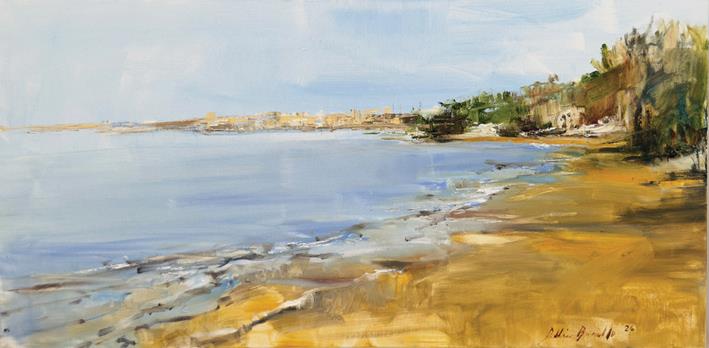
The manner of painting outdoors to her has become a lifestyle, in her words "almost addictive", as she dedicates two days out of the week purely to this practice. Her first outdoor sessions, around eight years ago, were spent alongside a group of already established artists, and the process was far less instinctual. She arrived with her entire studio, only to find herself overwhelmed by the sheer number of things competing for her attention in the landscape. Learning to navigate that abundance of visual information, and to determine what deserved her attention, gradually became more instinctive as she learned to respond to the landscape in the moment. She reflects on this experience, noting, "when you are painting en plein air, it's almost like you are doing an exam. You really have to perform and work with the element of the day. Ideally it's like a whole orchestra as well, to use another metaphor. You're trying your best to conduct everything".
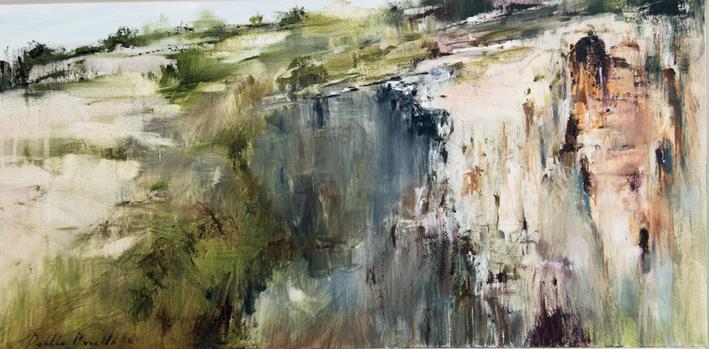
Yet this manner of painting is not only a test of observation but is also shaped by the physical conditions of working outdoors. Bonello acknowledges that she sometimes makes things difficult for herself, taking an adventurous and ambitious approach to certain paintings, but the weather inevitably places its own limits on what is possible. Her preference for painting in spring reflects this, when more moderate temperatures allow her to work without the extremes of heat and wind. Of the two, wind remains the greater challenge, and it would not be the first time a painting has taken flight, while this summer's extreme heat has made working outdoors even more exhausting. These conditions also affect her choice and handling of materials, from the size of the canvas to her preference for building up thin layers rather than working in impasto.
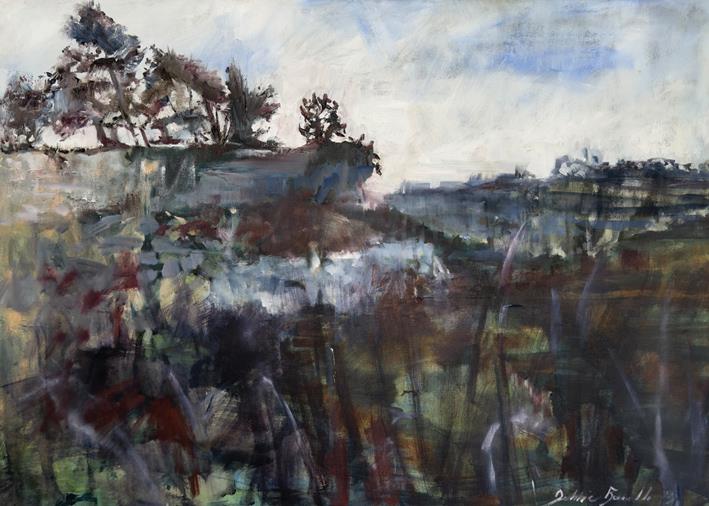
These physical demands also shape her manner of painting. Works are completed in a single sitting and rarely revisited in the studio, as she feels that returning to them alters the energy of the original encounter. She often photographs the finished works on site, where seeing the painting within the landscape allows the original encounter to continue beyond the act of painting and opens another way of interpreting the relationship between the image and the place. In addition, she works quickly and avoids overthinking, allowing for a looser brushwork and more instinctual approach: "Perhaps the composition would be more interesting, or maybe more expressive, but the more you practise and train your eyes, the more decisive and intuitive you will become."
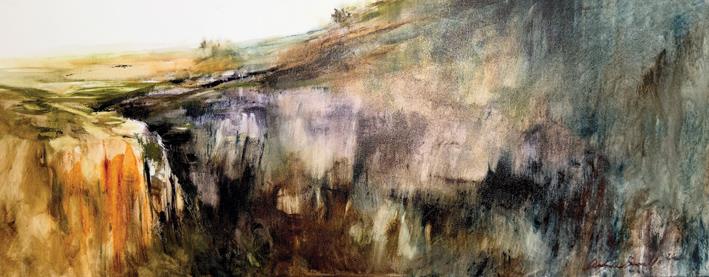
This responsiveness extends beyond brushwork, allowing her to respond to the character of different landscapes. Although Malta, Gozo and southern Sicily share a similar Mediterranean environment, they offer different visual possibilities. Bonello is particularly attracted to the drama of the Maltese landscape, especially its cliff faces that drop sharply. However, her attraction to these places is not purely visual, but tied to the feelings they evoke while she is painting them. When an artist paints directly from a subject, a personal rapport begins to develop with it. The subject is captured, but the feelings take over, and it is precisely this shift from observation to emotion that Bonello is curious to see how her work continues to develop. This becomes particularly interesting in her more recent works, where the landscape begins to veer towards abstraction. As the subject becomes less immediately recognisable, the feelings that emerge from the encounter seem to take on a greater presence within the painting.
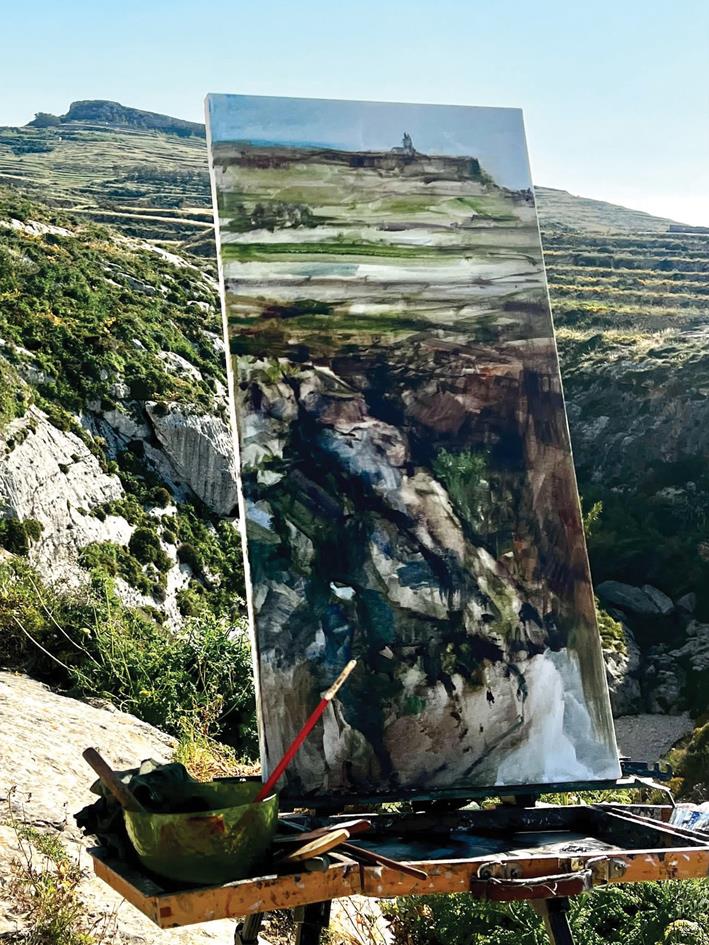
Her paintings are visually and technically impressive, yet how can they be described? An elevated reality, a saturated, dark or contrasting interpretation of the landscape? This is not always the case, and while she is a versatile artist, even in subject matter beyond landscape, what remains consistent is the emotive aspect of her paintings. While everyone interprets art differently, one might describe this body of paintings as romantic in nature. Similarly to live portraiture, the subject is not a static participant in the act of painting. There is the physical connection, the changing nature of time, and the limited duration of the encounter from its beginning to its end. This creates a wordless dialogue between artist and subject, making the process dynamic and alive in a way that extends beyond the finished work and into the memory of its experience.
The visual manifestation of this passionate dynamic between Bonello's eyes, hands, medium and subject is what defines her work, while her desire to remain versatile and continue growing keeps that relationship open to further exploration.
Outdoors, curated by Charlene Vella, is open to the public until 31 October at the Palm Court Lounge, The Phoenicia Malta.