I recently attended a piano recital at the Malta Society of Arts, by the renowned Irish pianist Finghin Collins, an event to which I was invited by HE the Irish Ambassador, Caroline Whelan.
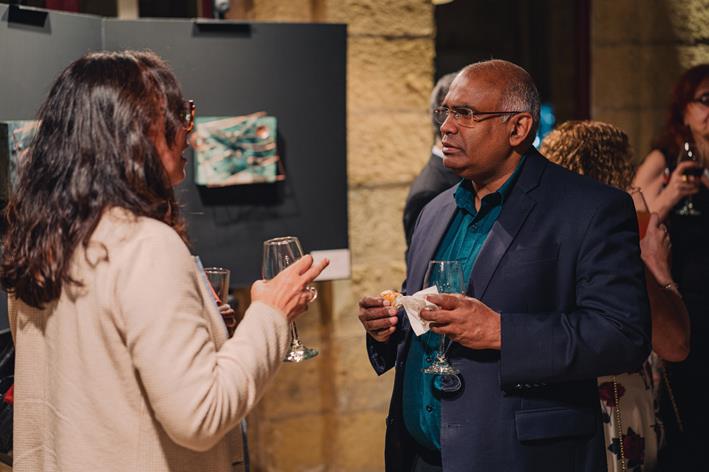
As soon as guests arrived they were invited to drinks. We then found our way upstairs to the concert hall.
In her welcoming remarks, Her Excellency described the recital as one of the highlights of Ireland's cultural calendar in Malta and spoke about the important role that culture and music play in promoting understanding and friendship between nations. She also reflected on the close relationship between Ireland and Malta and noted how music can bring people together, particularly in a world that often seems divided. Finghin Collins was praised as one of Ireland's leading musicians, with an outstanding international reputation and numerous achievements to his name.
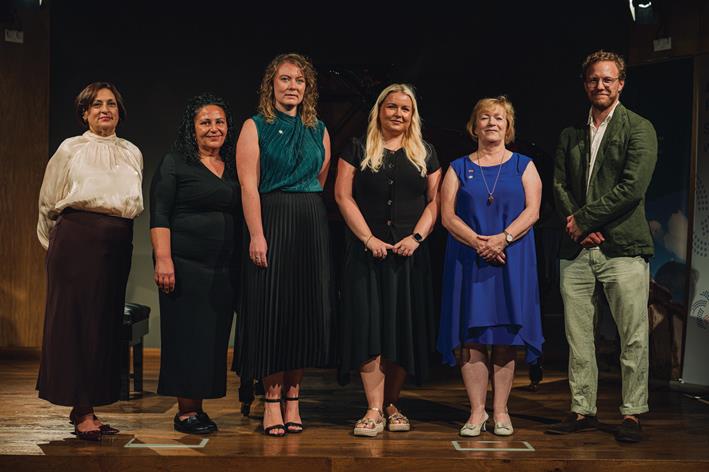
The recital itself was a wonderful musical experience. Finghin Collins immediately impressed the audience with his artistry, technical mastery and engaging stage presence. During the concert, he mentioned that his favourite composer is Frédéric Chopin, a fact that became particularly evident in his thoughtful and expressive interpretations of Chopin's music.
The programme opened with Johann Sebastian Bach's Partita No. 2 in C Minor. This substantial work combined elegance, precision and intellectual depth. Collins brought great clarity to Bach's intricate counterpoint, while also highlighting the dance-like character and contrasting moods of the individual movements. The performance demonstrated both technical brilliance and musical sensitivity.
The next piece was John Field's Nocturne No. 5 in B-flat Major. Field, an Irish composer often regarded as the inventor of the nocturne, wrote music of great lyricism and charm. The nocturne was in fact, transformed by Chopin. Before performing the work, Collins explained that John Field is mentioned in Tolstoy's famous novel War and Peace, a fascinating detail that added further interest to the piece. When I arrived back home I looked up John Field and indeed he is mentioned in passing in War and Peace when Countess Rostova calls on the Rostov household musician to play her favourite nocturne.
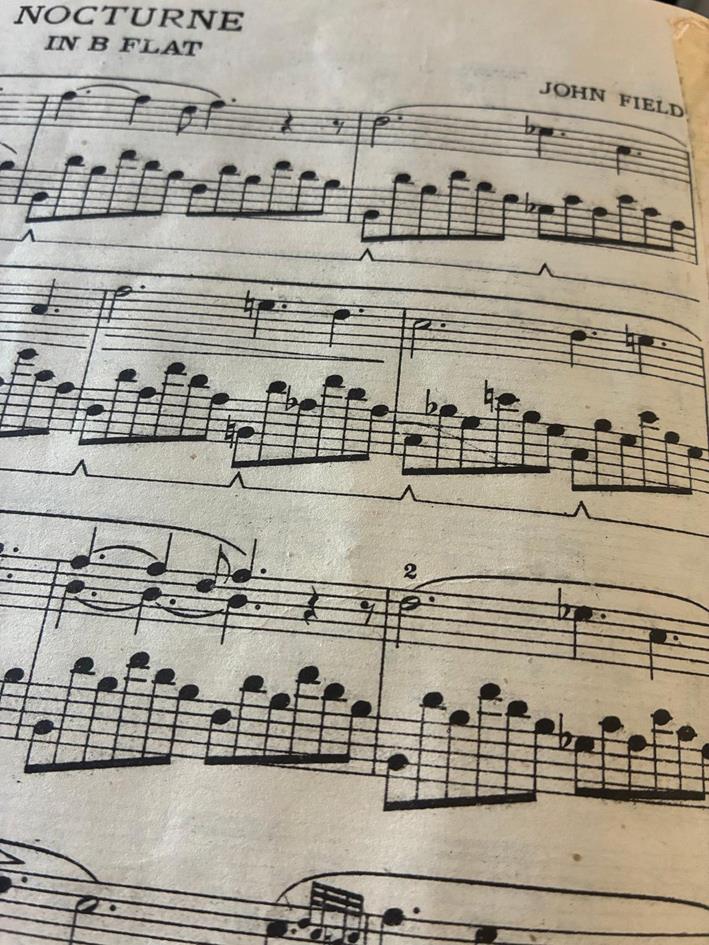
I have loved Field's famous Nocturne in B Flat for many years. We had it in Book 3 of the Golden Hours. I had tried to learn it over the years but I am not diligent enough and want instant success so finally gave up.
The nocturne's flowing melodies and gentle atmosphere created a moment of quiet reflection and beauty that evening.
The programme then moved to Chopin's Three Nocturnes, Op. 9. These beloved works showcased Chopin's remarkable gift for melody and his ability to express a wide range of emotions through the piano. Collins played them with warmth and sensitivity, allowing the singing melodic lines to unfold naturally while capturing both their delicate intimacy and dramatic intensity. Like the Field nocturne Chopin touches our very soul.
A contrast followed with Nesting Doll by Sam Perkin, a contemporary work that brought fresh colours and textures to the programme. Its modern style provided an interesting balance to the earlier Romantic repertoire and demonstrated the continuing vitality of piano music today. Collins then performed The Marriage of Isabel de Clare and William Marshal from the Ros Tapestry Suite, a piece inspired by historical events and cultural heritage. The music evoked a strong sense of place and history, creating vivid musical images for the audience.
The recital concluded with Chopin's Ballade No. 4, widely regarded as one of the composer's greatest masterpieces. The work combines lyricism, drama and extraordinary technical demands, culminating in a thrilling and powerful conclusion. Collins delivered a memorable performance, capturing both the poetic beauty and emotional depth of the music. It was a magnificent ending to an exceptional evening.
Her Excellency presented the pianist with a lovely bouquet of flowers and thanked him.
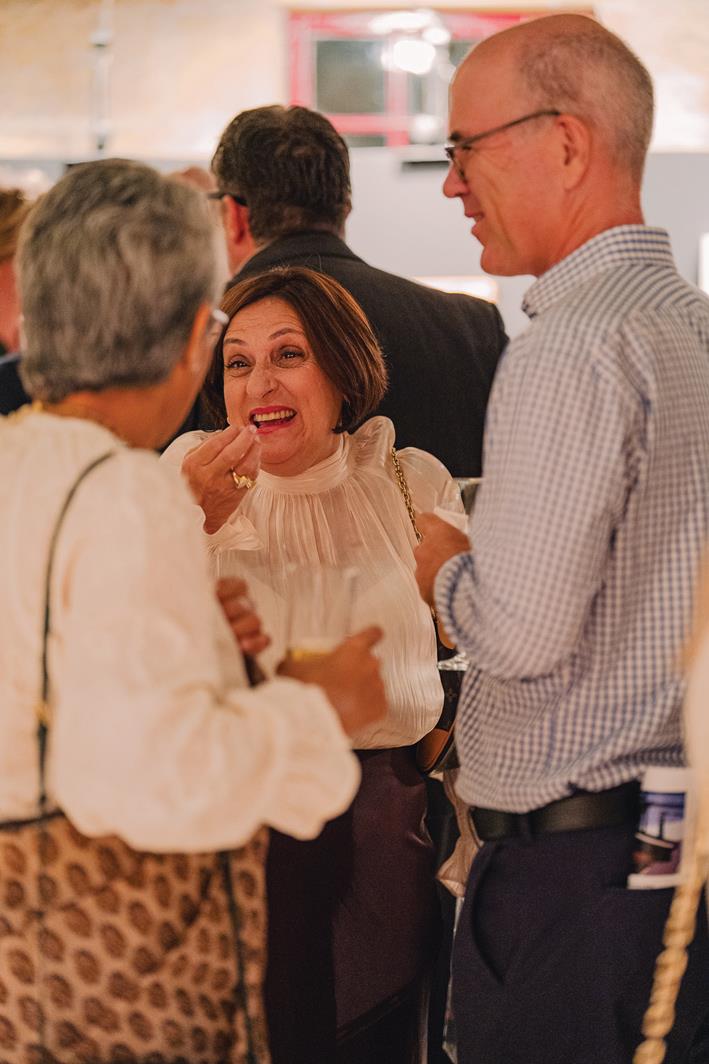
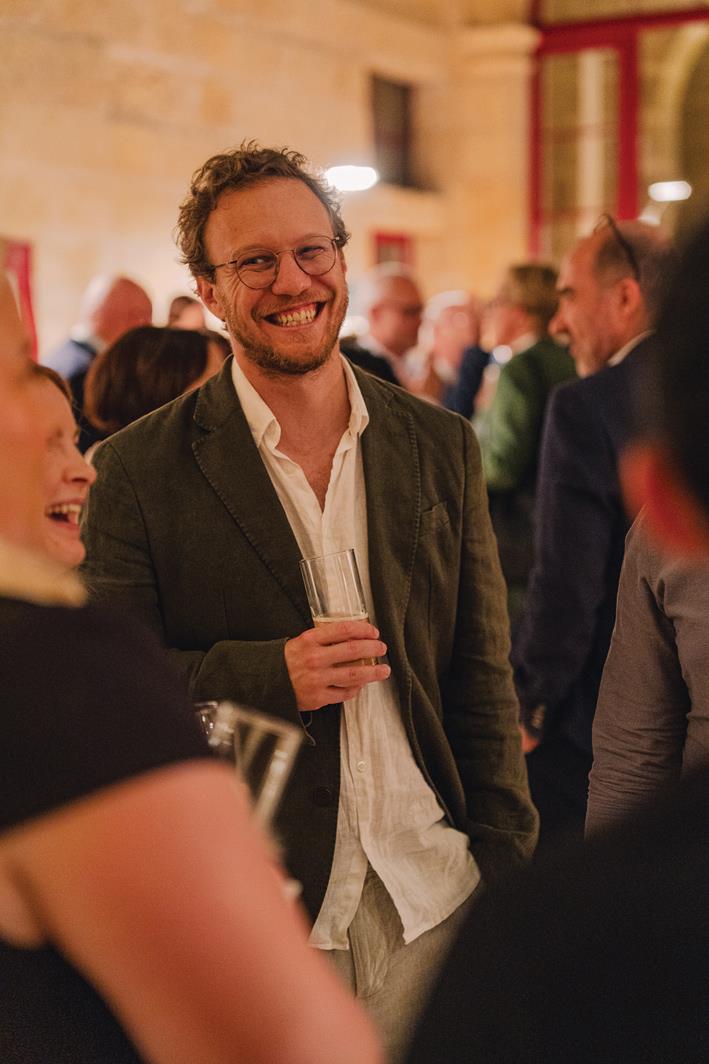
She then invited her guests to the reception downstairs. I met some old friends and met some interesting mostly much younger people with whom I enjoyed some lively discussions.
Overall, the concert was a delightful and enriching experience. Ambassador Whelan's remarks about the ability of music to foster understanding and unity seemed particularly fitting. Finghin Collins' outstanding musicianship, together with a varied and carefully chosen programme, made the evening both memorable and inspiring.
This gifted pianist deserved a standing ovation. But it is no longer so easy for me to jump to my feet so I simply clapped and clapped. So did everyone one else. I hope he realised how much we appreciated him.
On Tuesday 13 October at 12.30pm at Our Lady of Victory Church in Valletta, mezzo soprano Claire Ghigo and accordionist Yuri Charyguine will be giving a thrilling performance of songs made immortal by Edith Piaf. Entrance to the performance is €13
which will go towards Din L-Art Helwa.
You can purchase your tickets directly through this link: https://mypos.com/@Barocco.eu or call 79680952 or email [email protected] and barocco [email protected]