Parents' understanding of their children's routines, behaviour and everyday challenges should help shape the support they receive, alongside professional expertise. This was a key message at the fourth Family-Centred Care Conference, organised by Ronald McDonald House Malta in collaboration with the Maltese Paediatric Association.
The conference focused on Family-Centred Care in Community Paediatrics, bringing together healthcare professionals, families and local and international experts to explore how support can respond more closely to children's lives at home, at school and in the community.
Speakers emphasised that meaningful family involvement requires respect, clear information and opportunities to participate in decisions. Parents' observations can help professionals identify priorities and tailor support to each child's daily life.
Deputy Prime Minister and Minister for Health Dr Ian Borg also addressed the conference, highlighting the importance of involving families in children's healthcare. He referred to the forthcoming Family Cart initiative at Mater Dei Hospital, being introduced through an agreement with Ronald McDonald House Malta, which will provide practical support to families spending extended periods in paediatric wards and intensive care units.
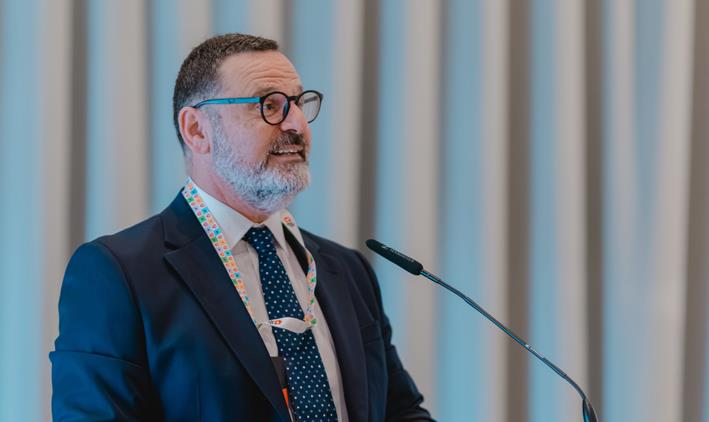
In his opening address, Martin Xuereb, Chairman of Ronald McDonald House Malta, stressed the importance of families and professionals working together. "A child's healing does not happen in isolation," he said. Mr Xuereb emphasised that families need an active role in care, beyond being kept informed. He described Ronald McDonald House Malta's role as supporting professionals and authorities through programmes, facilities and partnerships that help children and families through difficult circumstances.
The discussion turned to how support reaches children beyond the clinic, with delegates asking how specialist advice could be applied in classrooms and what help parents need to attend therapy regularly and follow recommendations at home.
For children in care, speakers emphasised the importance of having at least one trusted adult who listens to them, understands their experiences and encourages their ambitions. They also highlighted the role of friendships, positive school experiences and opportunities to pursue interests in helping children cope with adversity.
A practical example of partnership with parents was presented by Dr Natasha Attard, who outlined the Ronald McDonald House Parent Empowerment Programme, developed in collaboration with BXConsultancy. The programme offers parents of neurodiverse children 20 hours of targeted intervention and coaching, tailored to each family's needs and priorities, to help address everyday challenges.
Dr Samuel Aquilina, committee member of the Maltese Paediatric Association, emphasised the importance of recognising children's individual abilities, preferences and aspirations. "A child who needs help communicating, learning, playing or participating in everyday activities deserves that help because of their needs, not simply because of a diagnostic label," he said.
The conference featured Dr Sudipta Sen, Dr Stacy John-Legere, Dr Nkiru Asiegbunam and Dr Natasha Attard, with sessions covering neurodevelopmental care, children in care, child protection and support for neurodiverse children and their families. Workshops explored collaboration across healthcare, education and community services, while a dedicated discussion gave parents the opportunity to share their experiences.
Ronald McDonald House Malta welcomes enquiries from healthcare professionals, educators and community organisations interested in working together to support children and families. To discuss collaboration or learn more about the Parent Empowerment Programme, visit ronaldmcdonaldhouse.org.mt.