Easter is a time of joy and celebration for families across the globe, bringing families together.
Along with such feasts and festivities, traditional food always seems to go hand in hand, and Easter, like most feasts, is no different.
“Food is a marker of identity. Conviviality brings people together, yet food is also a powerful means to distinguish. The symbolic value of food was also adopted by the four main Mediterranean religions as a sign of establishing a dietary culture intended to continue to reaffirm the difference between Judaism, Islam and Christians from Rome and Byzantium,” Food Historian Noel Buttigieg explains.
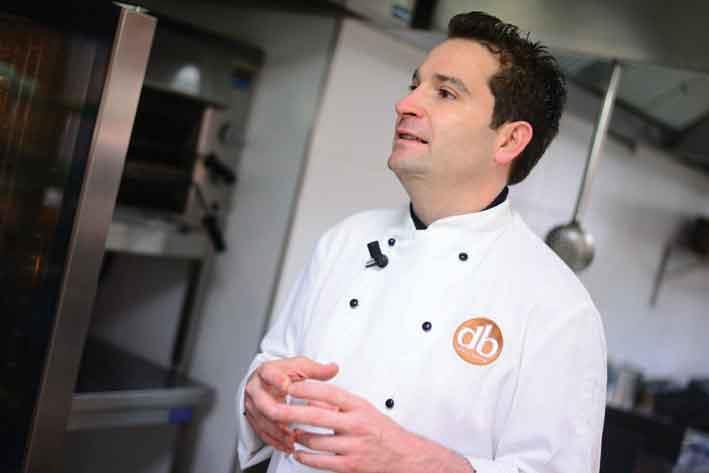
“Since religion dominated several aspects of daily life, religious dietary prescriptions and proscriptions functioned as a powerful cultural bond, emphasising both the congregation and the otherness of the remaining denominations. Therefore, religion dictated food-related rules, rituals and prohibitions. Eating fat or lean followed significant religious events. These celebrations and commemorations marked the yearly calendar in a way that food continued to reaffirm the socio-cultural identity of the faithful”.
The combination of seasonality and religious prohibitions gave rise to several foods prepared in association with Lent, he said. “As Easter falls into the spring season, the Maltese consumer enjoys new culinary experiences as the market abounds with new seasonal vegetables. Dishes prepared during this period continue to resemble Mediterranean practices, especially since the Maltese enjoy stuffing vegetables, baking them and putting them in soups.
The Maltese also fry and stew their vegetables and then prepare them as pies. Among the vegetable-based foods, the Maltese prepare soppa tal-armla [widow’s soup], minestra [minestrone], kusksu [broad beans soup], qaqoċċ [artichokes], and sfineċ tal-ispinaċi [spinach fritters]”.
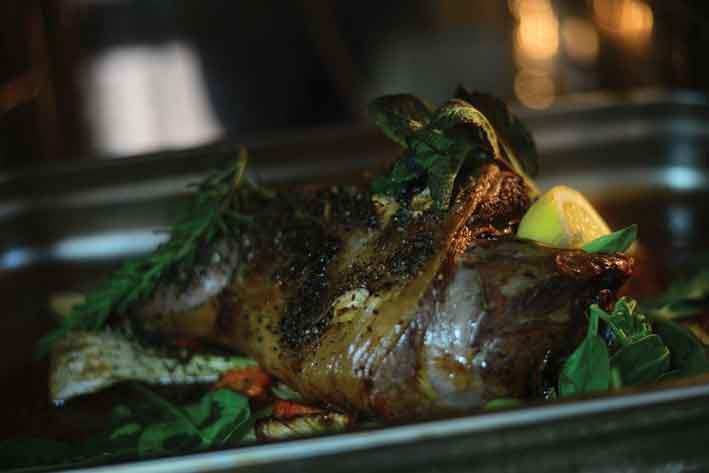
What could perhaps be the most traditional Easter meal is Easter Lamb. “Roast lamb remains the main Easter lunch meal. The origins of this practice goes back to the first Passover, where the sacrificial lamb was roasted and served with unleavened bread and bitter herbs in the Seder meal in hopes that the angel of God would pass over homes and bring no harm. In the Christian religion, the lamb is the symbol of the sacrificed Christ. In fact, Christians often refer to Christ as the ‘Lamb of God’”.
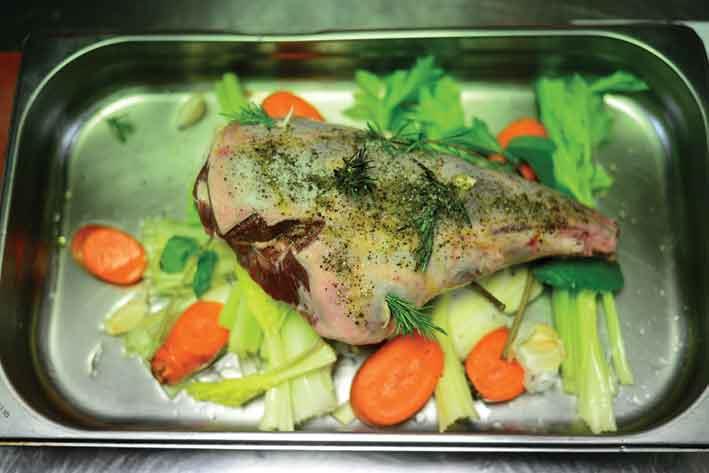
Q-Zins Soux-Chef Sebastian Mifsud prepared his version of the Maltese traditional roast leg of lamb dish. He studded the lamb with rosemary and garlic. The mirepoix with onions, carrots, leak, garlic and celery, infuse with the meat and act as trivets for the lamb, in order for air to pass through. He spoke of the need for plenty of salt and pepper seasoning. He then added a splash of white wine and water and a drop of olive oil.
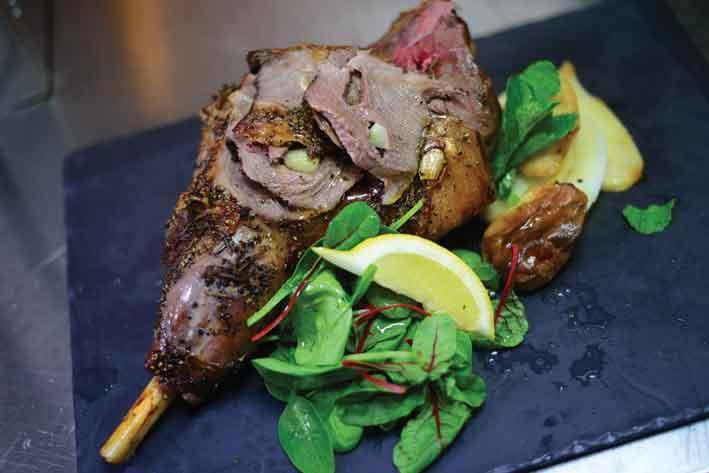
The leg of lamb is then covered in foil and placed in an oven, pre-heated to 180 degrees, for two hours. It is then removed, uncovered and placed back in the oven for 15 minutes at 200 degrees. It is then left to rest for around 15 minutes.
“Then, slice the leg of lamb at a 45 degree angle and serve”. This dish will be served at the Easter Sunday buffet he said, adding that Sister restaurant Tagine, also located within the db San Antonio Hotel and Spa in Qawra, have a Moroccan-style lamb dish on their menu.
Other popular dishes during the Easter period include Kusksu, prepared with broad beans; a popular soup among the Maltese. “This also varies, since poached eggs, cheeselets or rikotta could not be introduced in the soup on days of abstinence. These practices, however, have experienced significant changes since culinary traditions have experienced change. Such changes are influenced by modern ways of life and the concept of how to use one’s time in the most effective manner.
In some cases, food is becoming a utilitarian experience, to the extent that some foods, such as qaqoċċ dishes, are experiencing a slow death within the domestic sphere,” Noel said.
Lent is also associated with a higher consumption of sea food. The three popular foods consumed during this time are the stuffat tal-qarnit [octopus stew], bakkaljaw [cod], and qassatat tal-inċova [anchovy pies], he added.
The association of bread with religion and its holy nature, forms an integral part of Christianity. “Several festive breads, baked in different shapes and sizes, symbolically represented the divine in various celebrations. The qagħaq tal-appostli used to be donated to the apostles acting in the Maundy Thursday church service. These bread rings, decorated with almonds, were also sold for general consumption.