Descriptions of Gabriel Caruana's art, especially his ceramics, emphasise the Mediterranean character of his creative output. It is unavoidable; chromatic intensity, sinuous organic forms, the choice of materials, and perceptible links to the heritage of the region are all amalgamated in his works. Another factor is Caruana's close relationship with the ceramic arts community of Faenza, the northern Italian city which is renowned as the international centre of ceramic production.
The formal qualities of artworks elucidate much about the art historical tradition that they emerged from. Artists from or working in the Mediterranean are confronted with a rich inheritance that is infused with cross-cultural influences.
Tackling the artistic culture of the Mediterranean is a demanding endeavour. The multi-layers of time and culture are embedded in individual artworks, and the ceramic arts are consciously, and even unconsciously, profuse with these references.
The Modern and Contemporary Art Research Programme of the Department of History of Art at the University of Malta, headed by Dr. Giuseppe Schembri Bonaci, will be addressing the character of twentieth-century ceramics in an international conference being held this coming Thursday. This forms part of a series of conferences initiated by Schembri Bonaci that study the work of one Maltese twentieth-century artist and their position within the European context and their direct or indirect connections with their foreign counterparts. The avant-garde ceramics of Caruana, Lucio Fontana, the Faenza ceramicists and others will be the focus of this year's conference.
Five speakers will be presenting papers that explore the theme within the context of the Western Mediterranean.
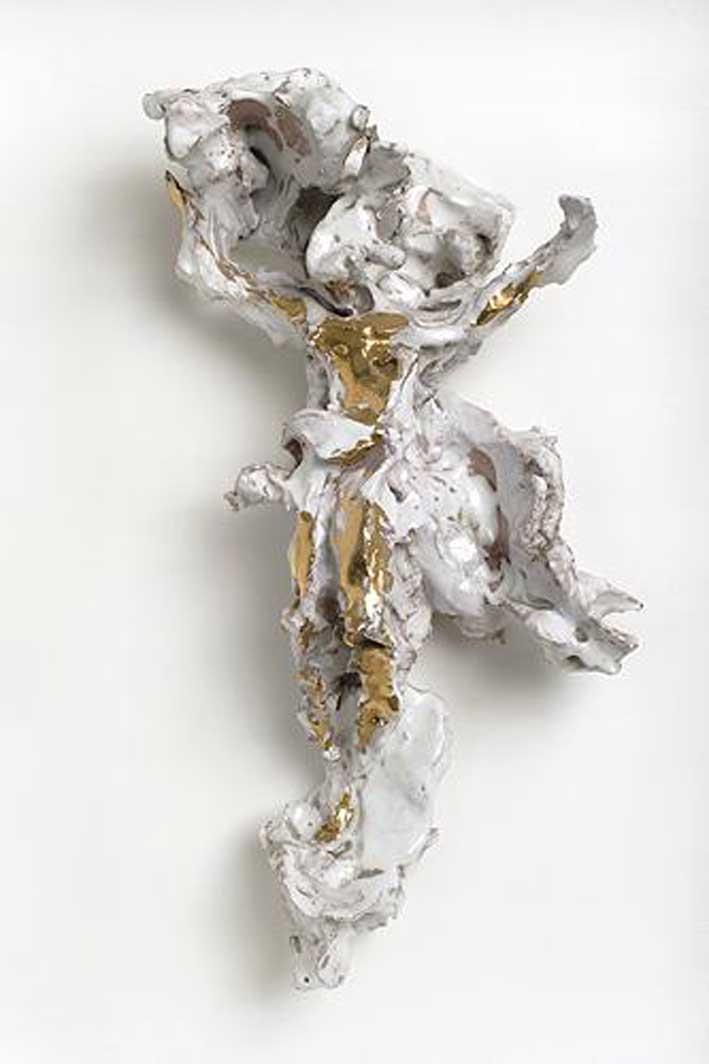
The first paper will be delivered by Duccio Nobili, a PhD candidate researching twentieth-century sculpture at the Scuola Normale Superiore in Pisa. Nobili worked on developing the catalogue of Fontana's art with the Fondazione Lucio Fontana, therefore his knowledge on the artist's oeuvre is extensive. His topic will analyse the ceramics of Fontana and Fausto Melotti as perceived by architect Giò Ponti. Melotti was a leading pioneer of ceramic sculpture, as was Fontana, and the two developed an intimate professional and personal bond. Nobili will be speaking about the theatrical and dramatic elements of Fontana's and Melotti's artworks and stage designs.
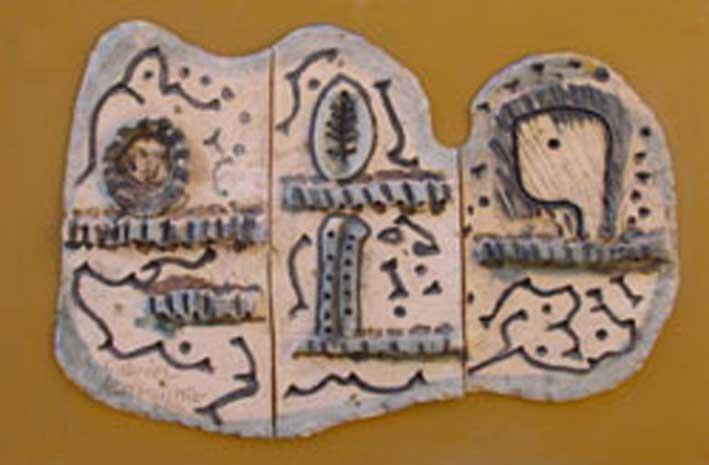
My own presentation will follow, on the subject of the continued presence of the baroque in contemporary ceramics. Fontana was a great admirer of baroque art because of its ability to capture movement and to expand the spatial limitations of art. These thoughts are seen in his ceramics of the 1950s. As Mieke Bal argues, the presence of the past in contemporary art is wrongly framed as traditional, when in fact it is a reinvention of significant artistic ideas. Caruana's ceramics are replete with baroque quotations and also convey its dynamic temperament. This paper is an endeavour to debate his works within the wider framework of Malta's art historical development, focusing on form and abstract qualities.
The next speaker is Dr Mariàngels Fondevila who is Curator of Modern and Contemporary Art of the Museu Nacional d'Art de Catalunya in Barcelona. She will be talking about the Catalan architect Josep Maria Jujol who collaborated with Antoni Gaudì on several projects. His decorative schemes and ceramics adorn some of Barcelona's most iconic architectural sites. Fondevila's research will show how Jujol was influenced by Catalan baroque; form and spirituality were combined in his colourful designs.
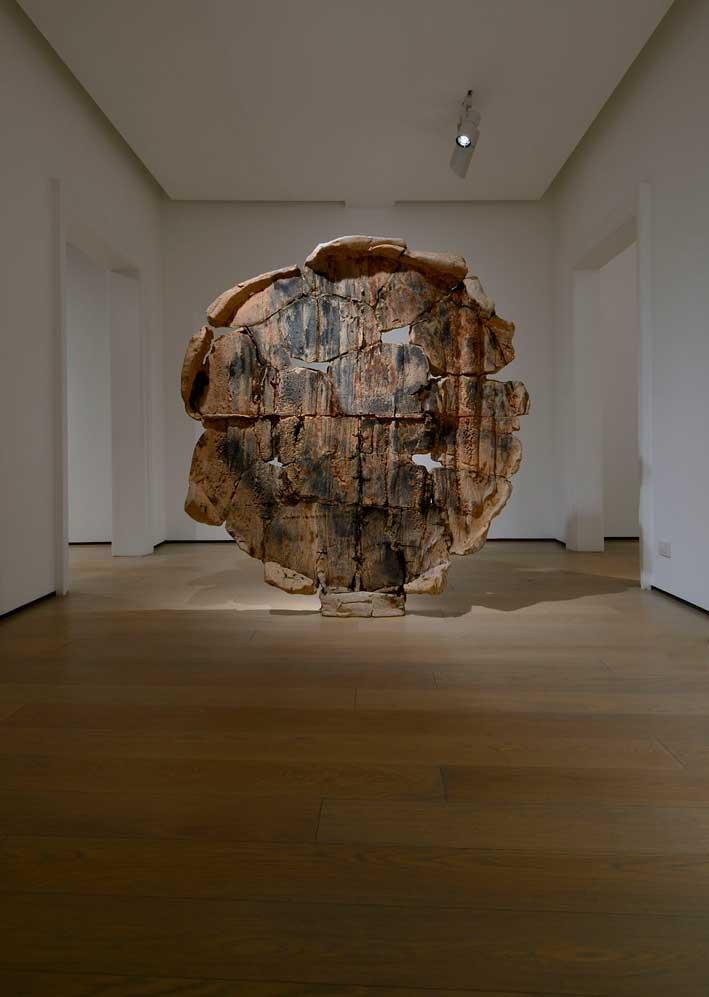
Prof. Giusy Petruzzelli, Professor of History of Art and Aesthetics at the Accademia di Belle Arti di Bari, is addressing the ceramic art of Giuseppe Spagnulo, who passed away last June. New research is emerging on this contemporary ceramicist whose native town of Grottaglie is also known for its ceramic tradition. Spagnulo studied in Faenza and met with Fontana in Milan. He played a central role in transforming ceramics into a high art form, as did Fontana and Caruana. Moreover, his large-scale sculptures not only challenged traditional sculpture but also monumental art.
The final paper will analyse the art historical implications of Caruana's and Fontana's fight against the established hierarchy of art. Dr. Giuseppe Schembri Bonaci, the conference convenor and Senior Lecturer in the Department of History of Art, will look at the many obstacles faced by these artists in a time when Clement Greenberg's adverse aesthetic positions dominated the art world. According to Schembri Bonaci, it is the barrochetto, the contemporary approach to the baroque in the ceramic arts, that underlines the avant-garde qualities of these artworks.
There is no doubt that the twentieth-century was one of the most exciting eras for the development of the ceramic arts within Europe and beyond. All these papers will be presenting new research on a number of artists and their relationship with the rich heritage of the Mediterranean. The conference will honour the work of Gabriel Caruana, an innovator who transformed the Maltese art scene with the energy and vitality of his ceramic works.
The Mediterranean Reception of Lucio Fontana's Baroque Continuum: The Artist's Legacy and Dynamism in the Ceramic Arts of the Twentieth and Twenty-First Centuries, with a Maltese case-study: Gabriel Caruana will be held at the Faculty of Arts Library, University of Malta on Thursday December 15, 2016. The conference is organised by the Department of History of Art in collaboration with the Valletta 2018 Foundation