Sliema, which translates to ‘peace and comfort’, was once a quaint fishing village which served as a base for fishermen who worked in and beyond Marsamxett harbour.
In 1855, a church dedicated to Our Lady of the Star and the Sea (Stella Maris) was opened, and by 1878 the village had grown to the point that Stella Maris was declared a parish, meaning that the area was separated from the religious jurisdiction of St. Helen’s Church in Birkirkara.
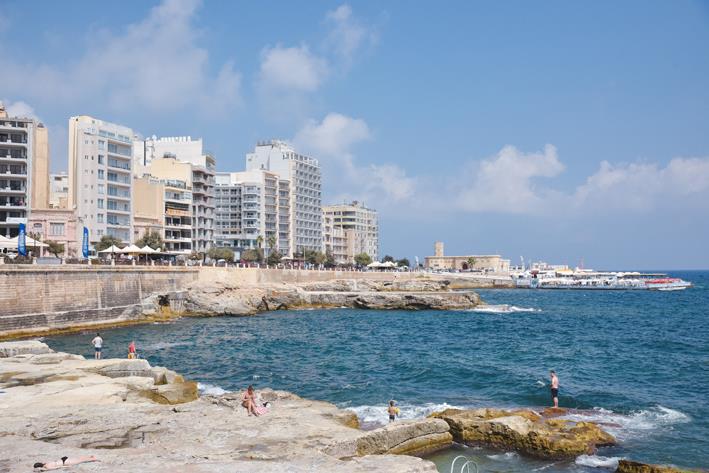
The population continued to grow with elegant Victorian style villas lining the promenade, with one of the most iconic images of Sliema back then being taken on Tower Road. Today, most – if not all – of those villas have made way for towering apartment blocks, which now characterise the locality.
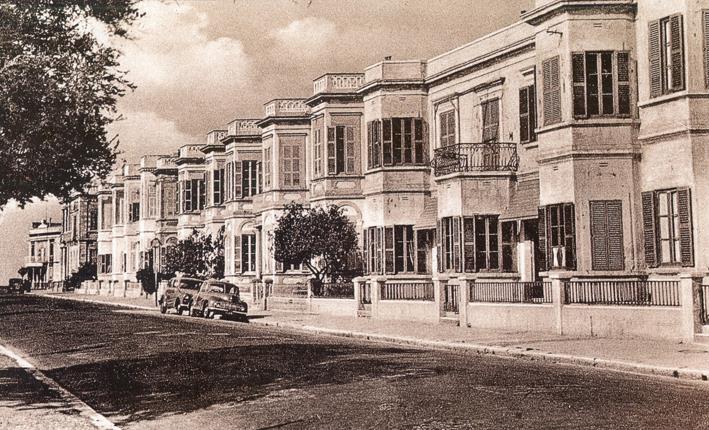
Tower Road, Sliema (1950)
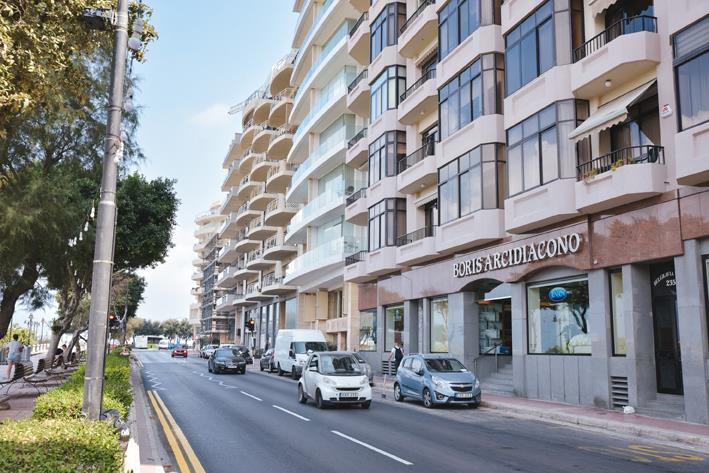
Present-day photos Alenka Falzon
St Julian’s meanwhile started out life as a similarly quiet village, with a population of 600 in 1854. It became a parish in 1891, but remained a peaceful coastal town, with Spinola Bay characterised by fishermen and the area which is today known as Paceville being worked by farmers.
Today however, much like Sliema, it has been overtaken by development. In the past it was Spinola Palace which looked over the locality, yet now it is the Portomaso Tower – amongst others which are now planned – which looms overhead.
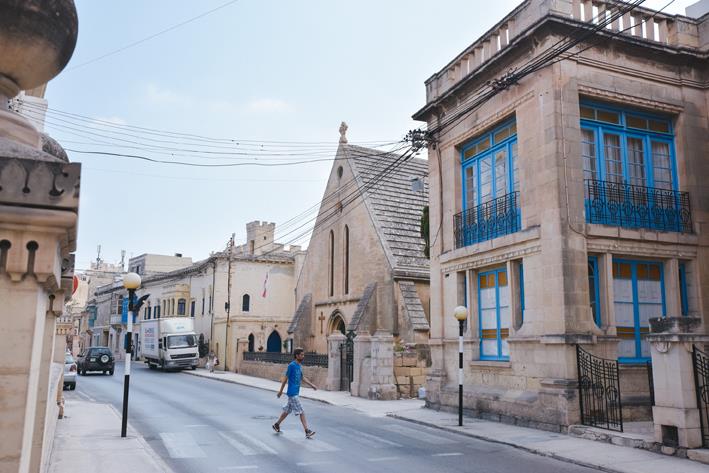
These pictures show the change that has taken place in these two localities over the decades.
The old pictures were sourced from a series called Antique Malta that The Malta Independent released in 1998.
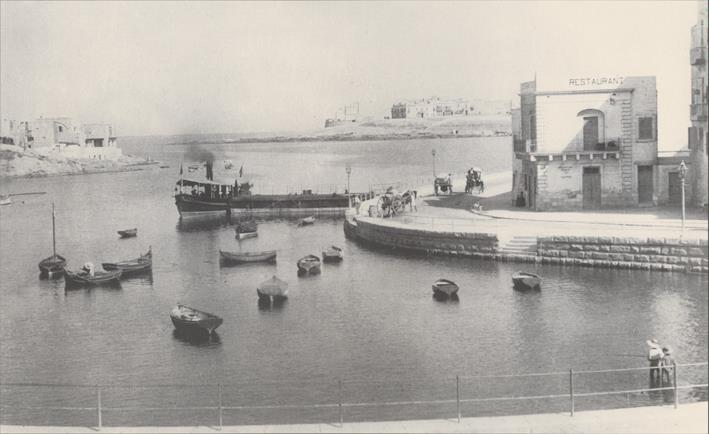
Spinola Bay (early 1900s)
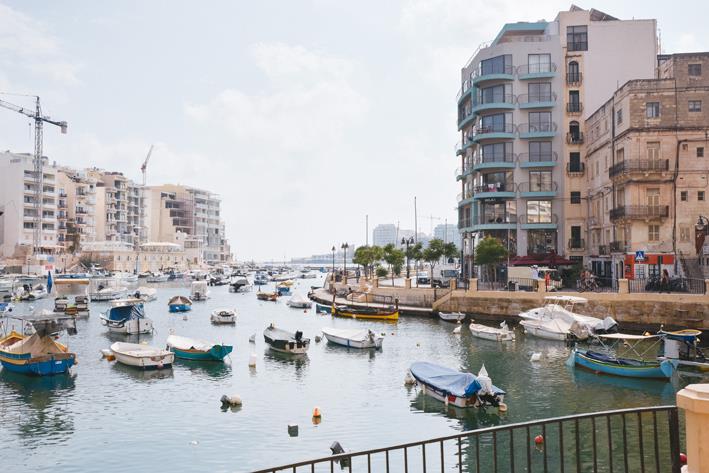
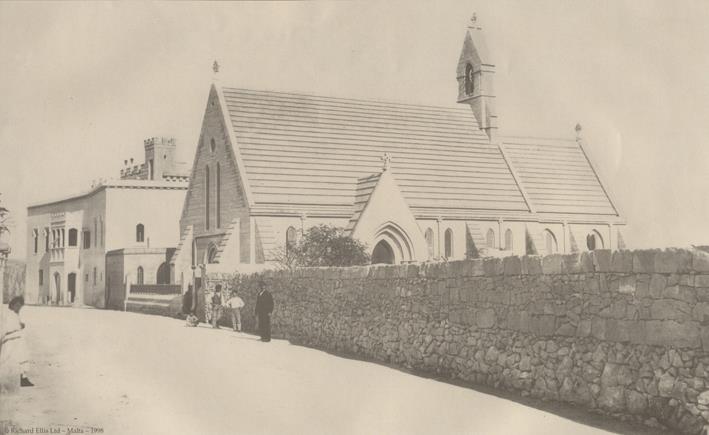
Holy Trinity Church, Sliema (around 1880)
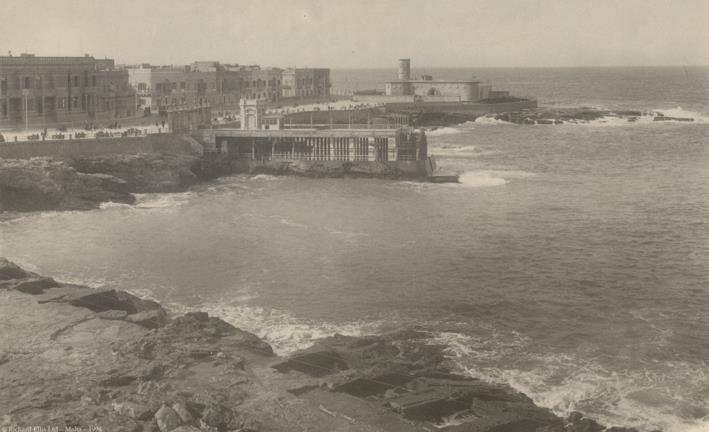
Ghar id-Dud, Sliema (around 1930)
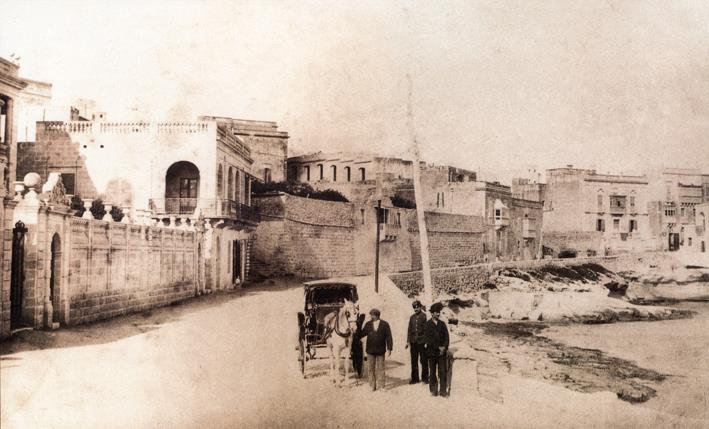
Balluta Bay (around 1880)
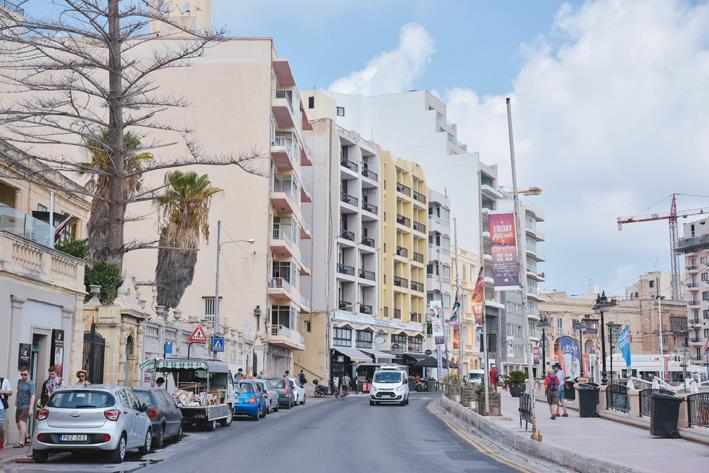
Valletta through the ages