The National Museum of Natural History has been enriched with a very large collection of pinned insects donated by Anthony Seguna of Naxxar. The insects were mostly collected from French Guiana, a small country on the north-east coast of South America, but there are also specimens originating from Morocco, Greece and Turkey, among others, all collected and prepared by Seguna himself.
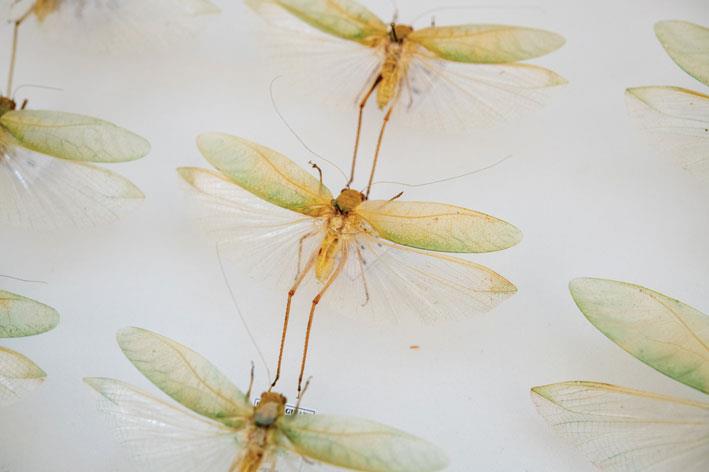
This donation has almost doubled the museum's entomological collection. Now the museum's curators are entrusted with the task of cataloguing and digitising the collection which, eventually, will be made available on Heritage Malta's website.
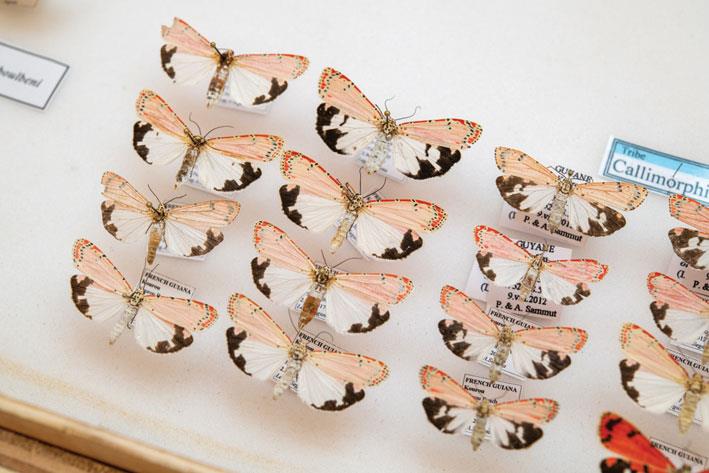
Seguna's collection consists mostly of Lepidoptera (butterflies and moths), including specimens of Atlas moths and different large blue Morpho butterflies. Other insect groups include beetles, grasshoppers and crickets, dragonflies and many others. The total number of specimens in the collection amounts to several thousand specimens, preserved in 200 large double-sided entomological boxes.
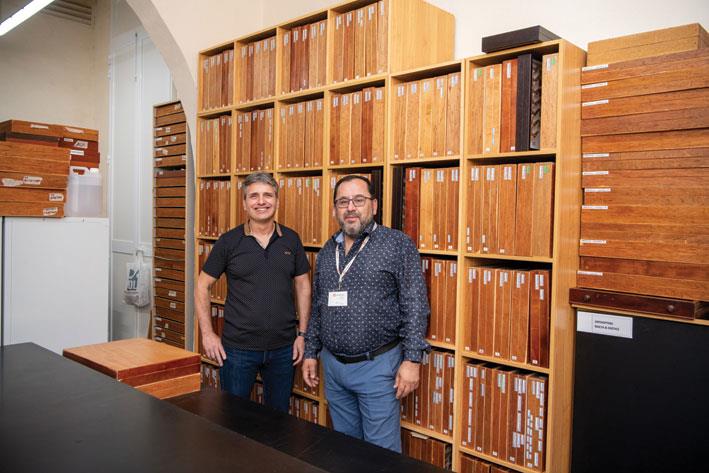
Speaking during the presentation of the collection, John J. Borg, Heritage Malta's senior curator for Natural History, remarked that collections form the backbone of any museum, and while some museums go to great lengths to acquire special pieces, sometimes at great financial costs, others are fortunate enough to receive generous donations from individuals. The National Museum of Natural History in Mdina is one of the latter, with an average of 30 donations presented to the museum each year. These vary from single specimens to collections containing tens of hundreds, as in Mr Seguna's case.
"It is encouraging for the museum to see that there are individuals who understand that the natural place for such collections is in a museum where they can be curated and made available for research purposes," Borg added.