Martina Darmanin's most-awaited debut solo exhibition, titled Domestic Bloom, is finally on at il-Kamra ta' Fuq, in Mqabba, until 4 August.
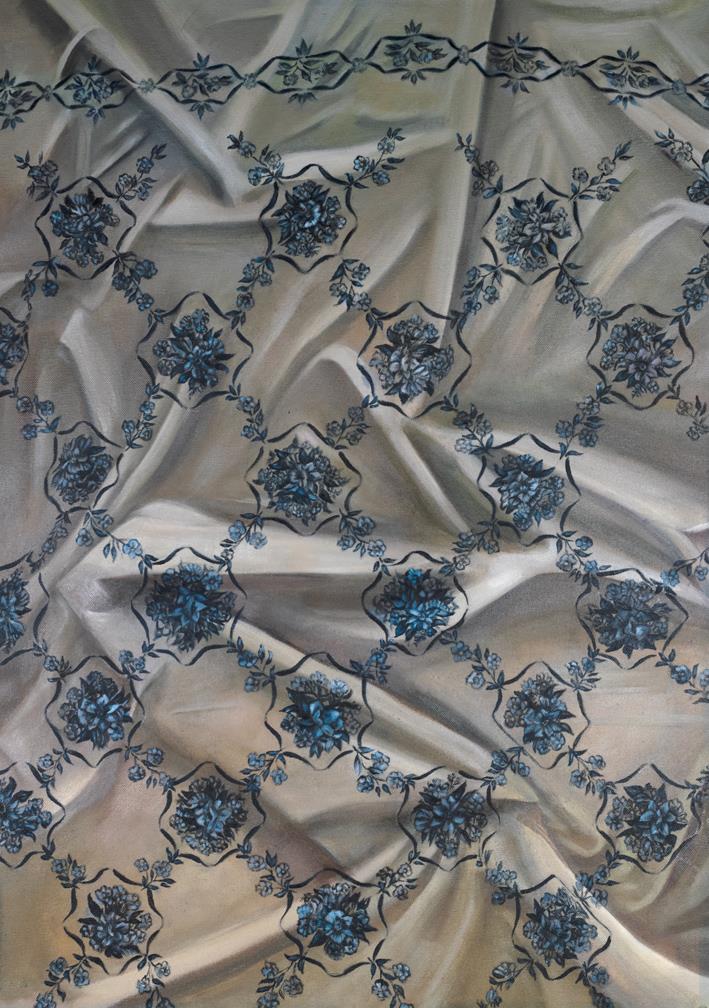
Domestic Bloom celebrates the intersection between home and nature, as a space blooming with the vibrancy of floral motifs, within the confines of our intimate spaces. The space we inhabit becomes a tapestry of our identity and is adorned with memories, making the idea of a "home" an extension of the self.
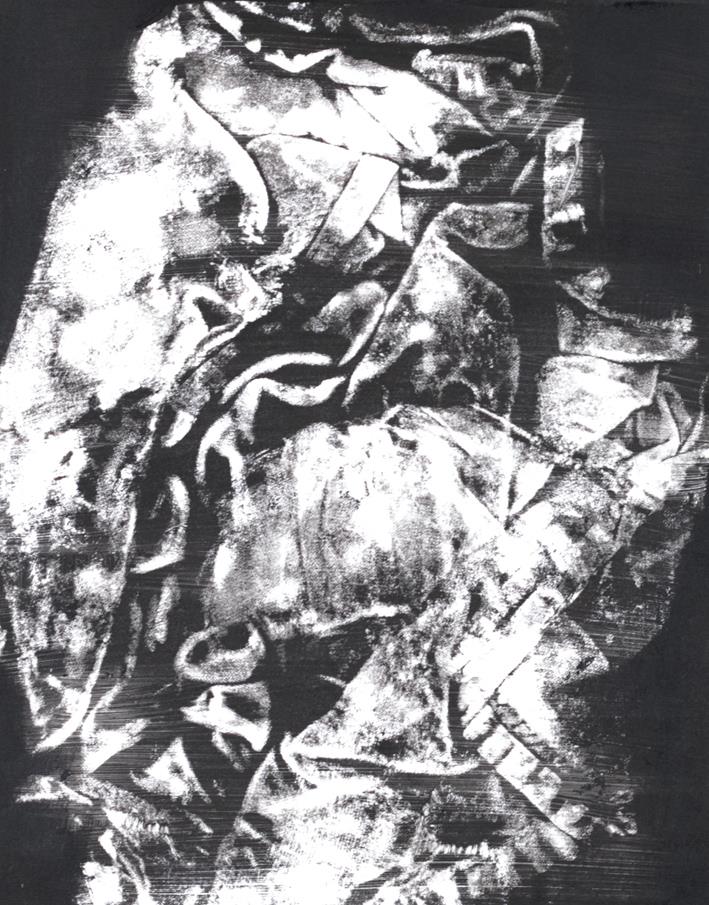
The "home" becomes an act of leaving traces and being concerned with what is transient and ordinary. The transient are those fleeting moments throughout our daily life and the ordinary centres around the mundane routinely based activities. The home and its objects become a partly subconscious and consciously curated space and such objects tease the viewer into getting a holistic view of one's identity.
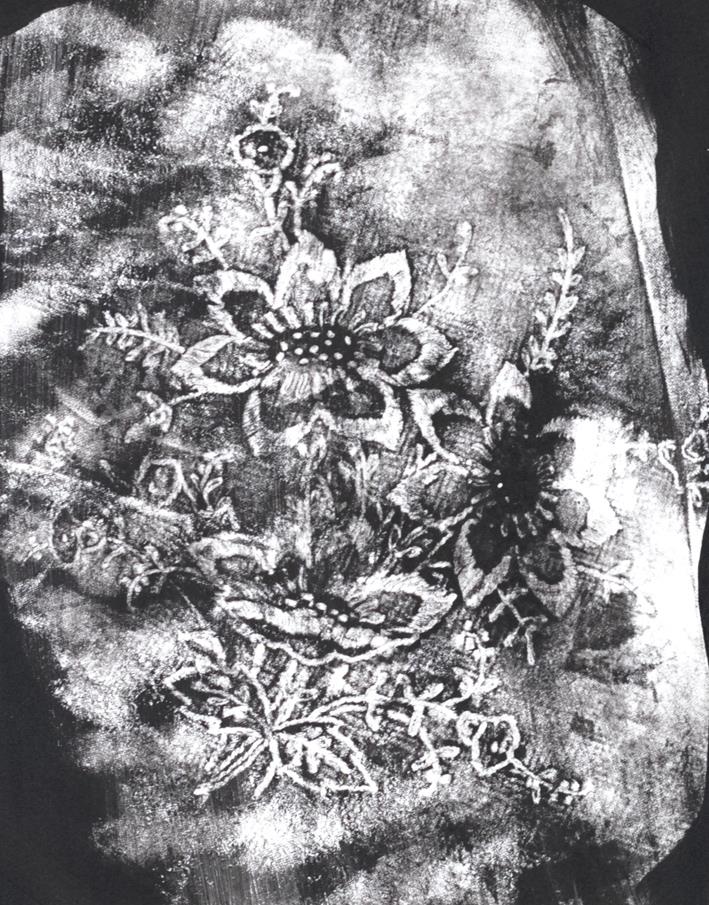
The artist, Martina Darmanin, searching around her new studio space, has found multiple floral objects and motifs which she has decided to explore to give a sense of the previous owner of the objects but also the newly made memories she has now formed herself.
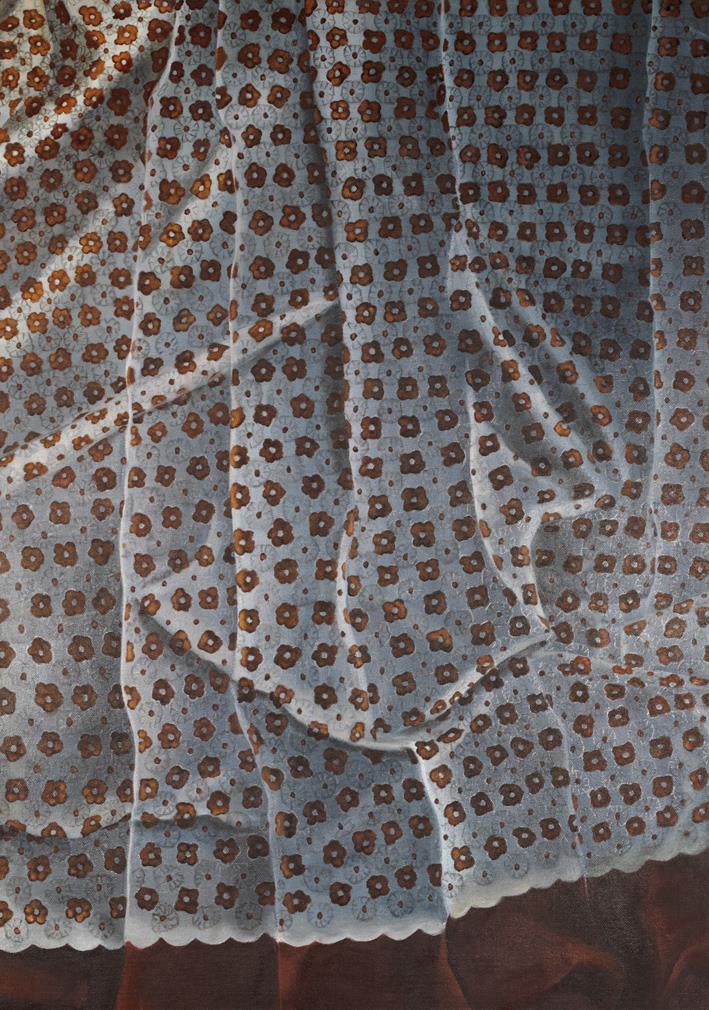
Through such floral findings Darmanin has traced within her work, the exhibition becomes a direct exploration of the objects she is surrounded by in her studio. The power of the object lies within its associations and our own perceptions of the thing itself. Therefore, a dishevelled floral bedsheet can bring forth the act of what has come before and cause the viewer to speculate. Darmanin uses the motif of drapery within the exhibition to translate this as it is an object that is recurrent in our lives. From waking up in our bedsheets to getting into them by the end of the day, this translates to the overall image of birth and death, where we also find ourselves wrapped up in a blanket and then covered by one when we meet our end. Darmanin always tends to use the undercurrent of death within her work and something as lively as floral drapery can take on a darker and more sinister meaning. Therefore, tackling such contrasts within the confines of our house creates such contradictions. The comfort which is usually denoted through the image of a home is directly contrasted to the suffocating nature it can also bring. This is a testament to the home as being a space that is brimming with stains and scraps, which further translates into a sign or a symbol. The seductive nature and projection involved in seeking to know another person through their objects shows how fantasy intervenes in every attempt to see and be seen.
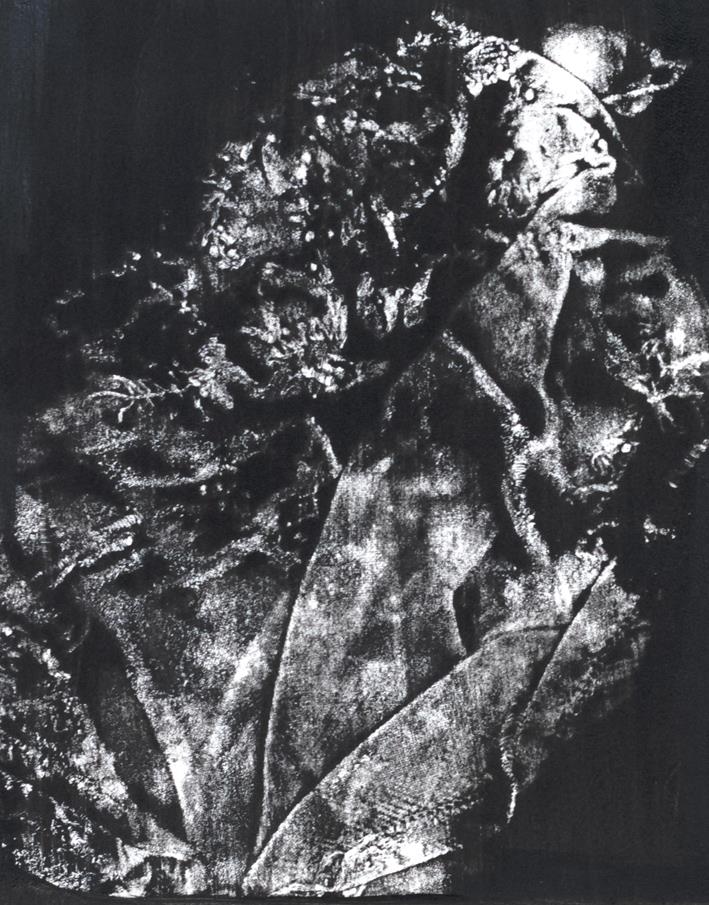
Darmanin uses drapery within her work as a found object and as a reinterpretation of the object itself. Through her own memories associated with the things around her, Darmanin creates a dynamic space that invites you into her own "room" and creates nostalgic elements through the floral motifs. The quirky floral décor that we find in our houses becomes a clash of patterns and colour, that paints our space as a dynamic and vibrant ground.

The ability to own and define one's space is a form of empowerment. Owning one's space, both physically and emotionally, is crucial for a sense of autonomy and well-being. By using the aspect of "florals", Darmanin is also indirectly showcasing her femininity within the space by using the traditional motif of flowers being associated with women as symbols of beauty, grace and delicacy. First coming across this symbiosis of florals and femininity in Shakespeare's work, Darmanin took note of the imagery and each floral representation as a part of her research process. However, the objects around her were the main task force in getting the exhibition to fruition. Floral drapery is also highly nostalgic to Darmanin as the patterns and repetitive nature are a direct reminder of her grandma's house, using drapery and blankets to build forts and camps to pass the time. The repetitive decorative elements somehow also translate into the repetitive and ritualistic nature of the "home". These structured, often repetitive activities and practices imbue daily life with meaning and order. These rituals, ranging from mundane routines to more important happenings, play a crucial role in establishing a sense of comfort, identity, and continuity within a household.
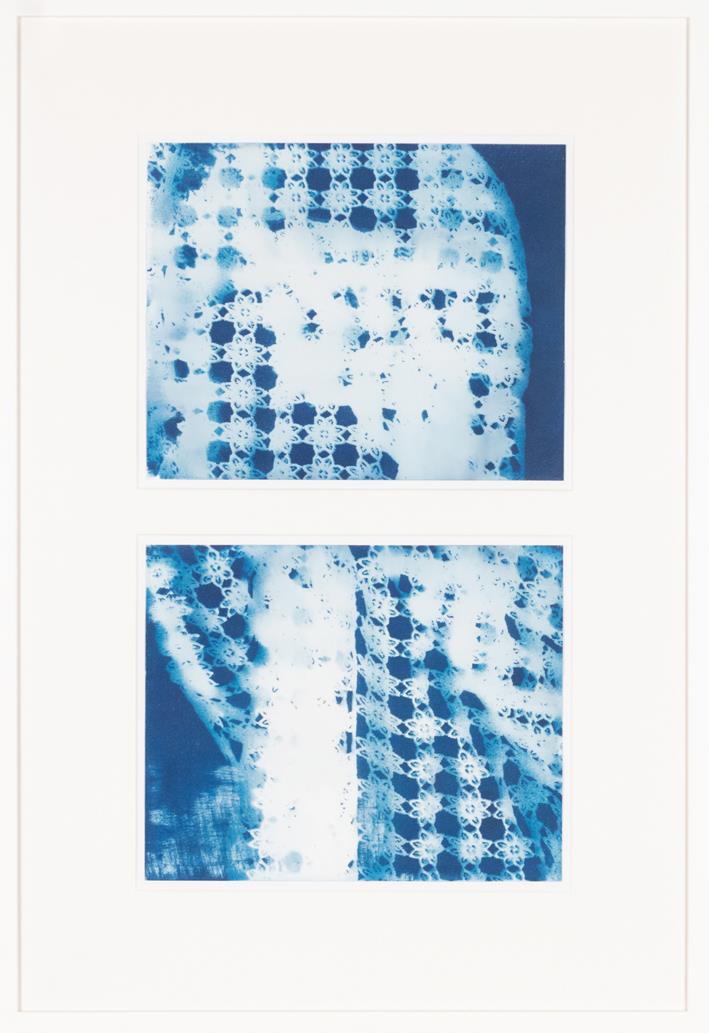
Holding this project in il-Kamra ta Fuq creates a perfect intimate environment to view Darmanin's work as it is all about the idea of a "room". Through her paintings and objects, Darmanin is challenging the concept of public versus private space. The notion of floral curtains within her project creates this fine line between the public and the private domain and comments on the idea of bringing the outside world into the inside space, through the reoccurrence of nature within people's homes. The symbiotic relationship between the two brings forth the idea of a home becoming a sanctuary for growth and renewal.
The inspiration for her works buds from artist Sophie Calle, specifically her project The Hotel, which is a diary organised by room numbers that gather observations of the stranger's objects she has found within the hotel room. Similar to her project, Calle obsessively looks around the space inhabited by others and takes note of this residue of human presence.
The idea of the gaze and voyeurism is something that Darmanin finds fascinating as these are ways in which she can explore the everyday scenes, creating a dialogue about the act of looking, the power dynamics involved, and the roles of the artist, subject and audience. Surveillance and the idea of looking into private lives can showcase the true threads of our identity in its purest and most potent forms. The viewer, as the artist, becomes complicit in the act of voyeurism.
Therefore, this is a testament that the objects that we see around us are directly and intrinsically linked to us. The space which we inhabit will always be affected by our trace and the objects which we have collected have the ability to outlive us and form a life of itself. The meanings we give to objects are their life source and one never looks at a chair and thinks of the objective definition but is always a muddle of memories, association and personal identity.
With all this being said, Darmanin's exhibition includes around 15 works surrounding this theme, which will vary from paintings, cyanotypes, sculptures and monoprints. Darmanin has previously explored this theme within her Bachelor's dissertation, however, she has now explored it in more depth throughout this exhibition and wishes to bring forth the brimming life of the home as a space of contemplation and contrasts.
The exhibition, curated by Melanie Erixon, will be held in il-Kamra ta Fuq in Mqabba.
For more information visit il-Kamra ta' Fuq on social media