Modern living can feel like a never-ending marathon, as we race from one activity to another, battle relentless to-do lists and work increasingly long hours. With so many competing pressures, it’s no surprise that an increasing number of people are reporting feeling stressed and overwhelmed both at home and in the workplace. Although it may not be possible to make any drastic changes, there are small things you can do to start incorporating the principles of Slow Living into your lifestyle, as you begin to prioritise your health and wellbeing over speed and productivity.
The Slow Living movement and its underlying principles can help us to re-think our attitude to “busyness” and start making some important lifestyle changes. The origins of Slow Living are linked to Italy’s slow food movement, which began in 1986 when a McDonalds outlet was opened at the bottom of the Spanish Steps in Rome’s iconic Piazza di Spagna. Activist and author, Carlo Petroni, and fellow activists, demonstrated the McDonalds opening and, while unsuccessful in having the outlet closed, it was the start of a movement based on defending regional food traditions and creating awareness around the link between plate, people, culture and environmental sustainability. Since then, this concept has evolved and expanded to include the Slow Living movement.
Slow Living involves making more conscious choices around how you spend your time, how and when you work, how you prepare and consume food, how you use technology and how you engage with loved ones. This doesn’t mean being inefficient or unproductive. On the contrary, slowing down and doing things more consciously can lead to doing things better and living more closely aligned with your true values.
Some of the benefits of slow living:
· Enhance creativity – When we rest, we reset the brain, allowing us to think more creatively and intuitively. That’s why we often come up with ideas and plans while on holiday or after a good sleep.
· Improve your health – As you reduce your stress and anxiety, you also minimise the chances of developing health issues caused by chronic stress.
· Save money – By making more conscious choices, such as not shopping when exhausted or stressed, cooking from scratch rather than ordering take-out, and so on, you inevitably spend less.
· Build healthier relationships – As you make more time for those you care about, with less distractions, you improve the quality of your relationships.
· Feel happier – As you discover what gives you purpose and make the time to engage in relationships and activities which are more nourishing, you’ll feel a deeper sense of purpose and fulfilment.
· Protect the environment – As you consume less and make more conscious choices, you reduce your impact on the environment.
So, while slow living may sound quite appealing, you’re probably wondering how you can slow down when everything around you is geared towards fast living. Here are a few pointers on how you can start living more slowly.
Discover new interests or hobbies
Slow living is all about creating purpose, and one way to help with that is discovering a hobby which is slow-paced and which brings you joy. Some ideas include hiking, gardening, sewing, yoga, swimming, Ta chi and writing, to name just a few. As you engage in the activity of your choice, it’s important to be fully present.
Ditch multi-tasking
Neuroscience shows that multi-tasking involves the brain switching quickly from one task to another, causing a decline in cognitive function and efficiency. It also increases stress and leads to exhaustion. Focusing on fewer tasks and moving through them one at a time is actually more efficient and leaves you with more energy throughout the day.
Foster healthier relationships
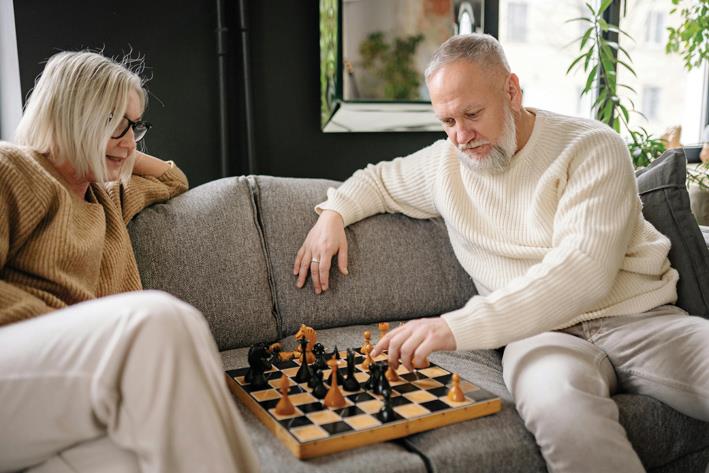
Our fast-paced life leaves us with less time to meet people we care about and a tendency to rely on online communication as opposed to in-person meetings. Slow living involves making a conscious effort to improve our relationships by spending more time together and engaging in activities which don’t involve constant technological distraction, such as playing board games, going for walks, talking and so on.
Limit screen time
Not only does our over-reliance on devices reduce the quality of our relationships, but it disconnects us from ourselves. As soon as boredom hits or we experience an unpleasant emotion, the tendency is to grab our phones and distract ourselves. The result over time is difficulty in identifying our emotions and tolerating less pleasant ones. Try to place limits on your phone use, replacing scrolling with a healthier activity and silencing your phone periodically throughout the day.
Engage in conscious spending
Spending is often used as a way to reward ourselves for working hard, distracting ourselves from unpleasant emotions and meeting unfulfilled needs. Even just the thought of making a purchase causes an increase of dopamine, the feel-good hormone, so it’s easy to understand how our stressed lifestyles can lead to increased consumption. Remember, however, that the true cost of needless spending is your time. If you can spend more consciously, you’ll carve out more time to rest, do things you enjoy and spend quality time with friends and family.
Choosing to slow down in a world which encourages and celebrates speed can be quite challenging. However, I can assure you that once you start to incorporate new habits into your life, your mind and body will thank you for it.
Psychotherapist Danjela Falzon works with clients on issues related to anxiety, depression, burnout, stress, relationships, sexuality, personality disorders, self-esteem and self-growth. She forms part of the team at paths Clinic. For more information visit www.paths.care