This year marks the centenary of one of Malta's most remarkable cultural figures, Francis Ebejer. Best known for his pioneering work in modern Maltese theatre, Ebejer's artistic vision extended far beyond the stage. A gifted novelist, poet and painter, his creative legacy defies neat categorisation, revealing an intellect and sensibility attuned to multiple forms of expression.
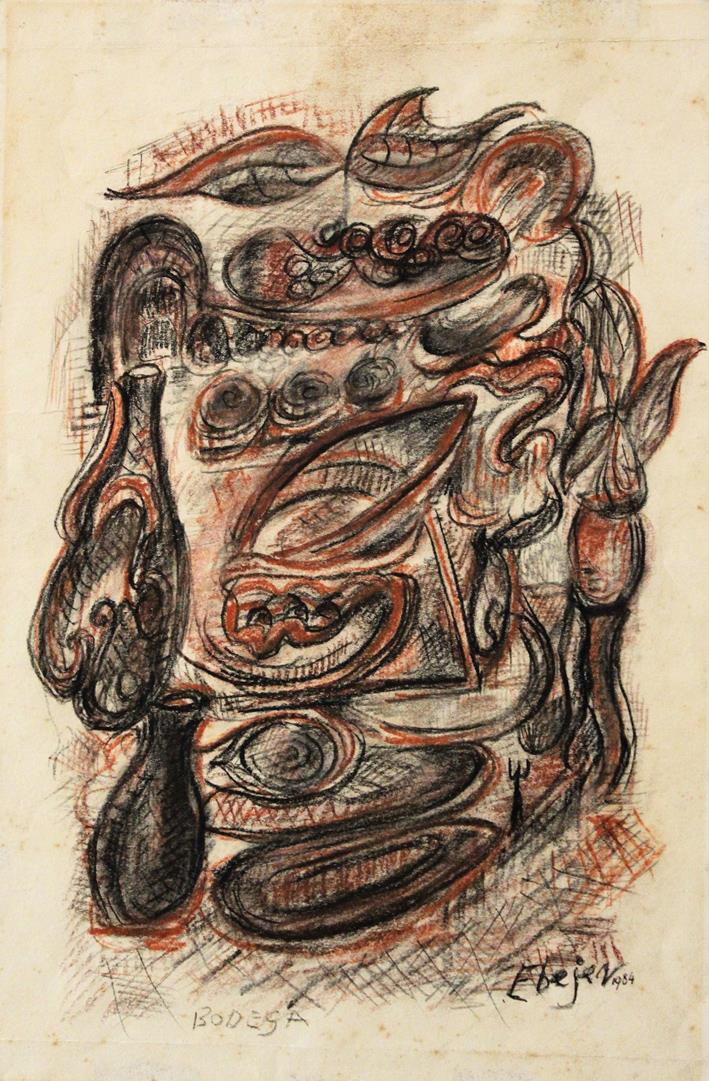
Born in Dingli in 1925, the eldest of seven children in a family of teachers, Ebejer grew up in an environment steeped in language and learning. Following in his father's footsteps, he taught English and became head teacher in Siġġiewi and Żurrieq. Yet his ambitions were never confined to the classroom. A bilingual writer in Maltese and English, he began with radio and television plays and short stories, many published in New York between 1980 and 1992 and broadcast over the BBC network. His dramatic writing revolutionised Maltese theatre, introducing modernist direction and production that broke decisively from conventional staging.
Ebejer's novels, such as A Wreath of Maltese Innocents (1958), Wild Spell of Summer (1968), Requiem for a Malta Fascist (1980) and Leap of Malta Dolphins (1982), brought Maltese stories to an international audience, earning him critical acclaim and multiple literary awards. His reputation was further affirmed by honours such as the Phoenicia Trophy for Culture (1982, 1985), the Città di Valletta prize (1989) and France's Médaille d'Honneur de la Ville d'Avignon (1986).
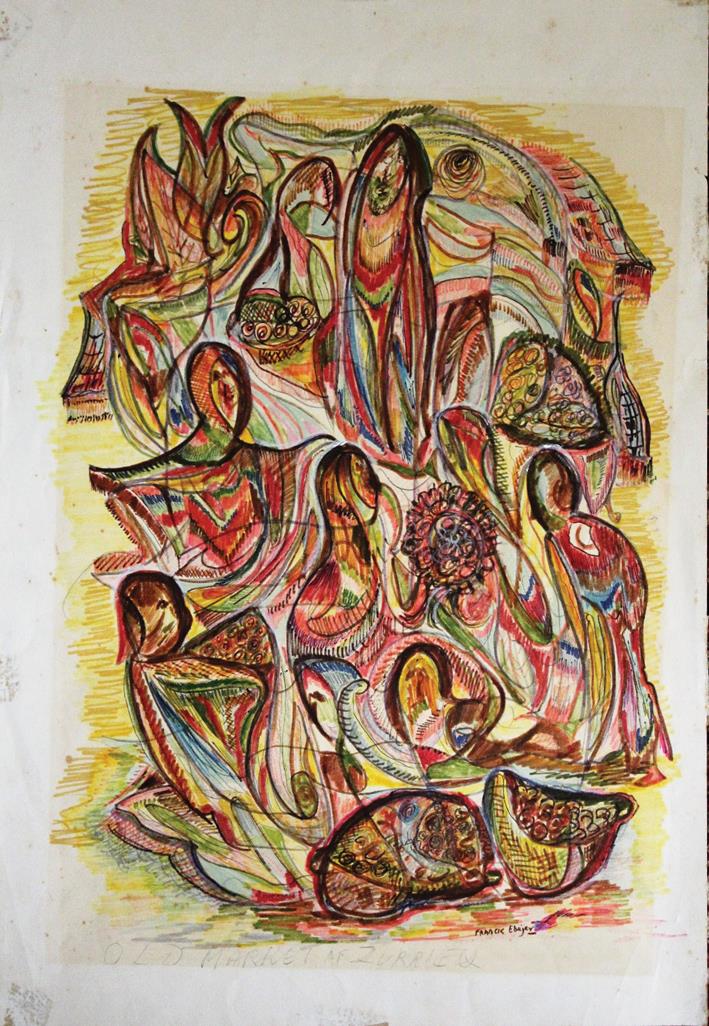
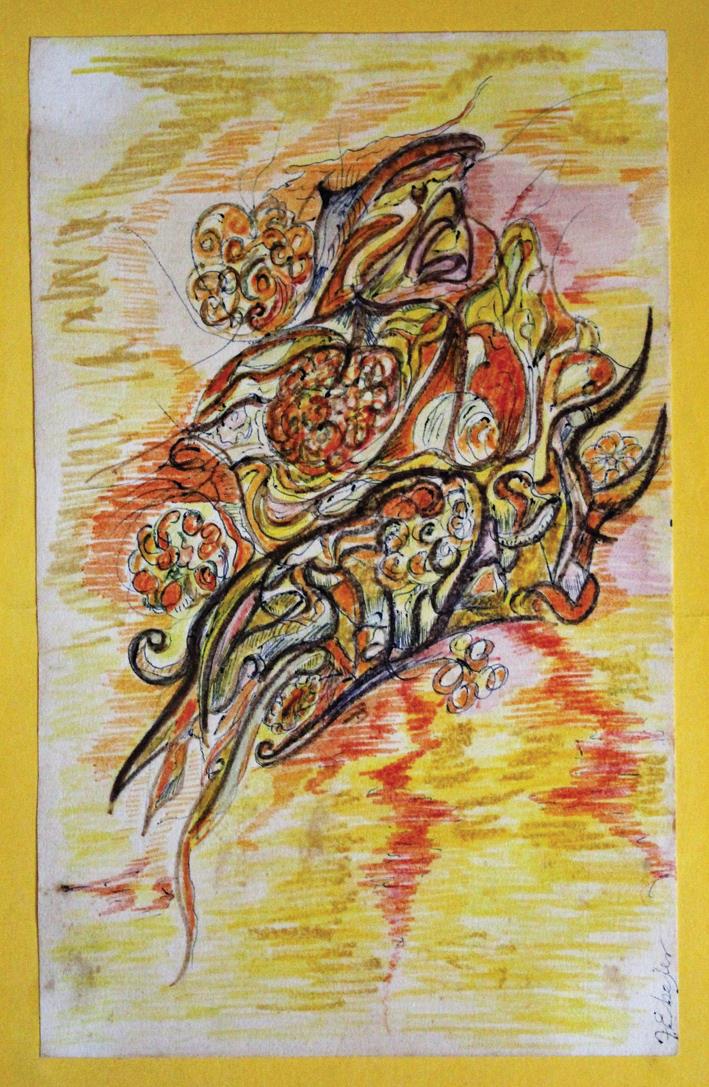
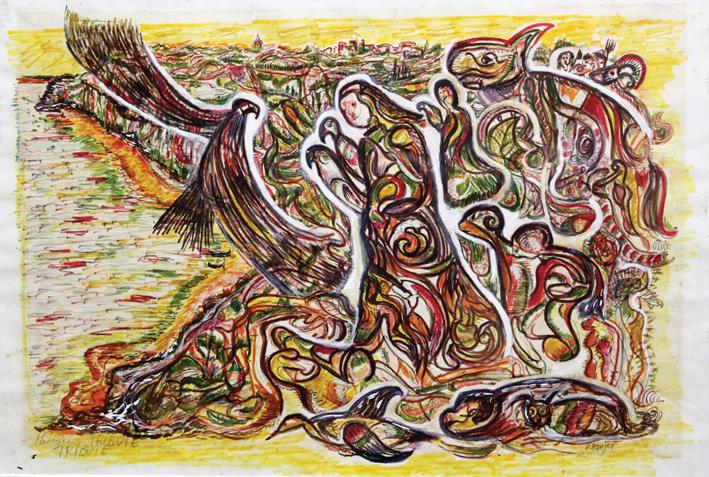
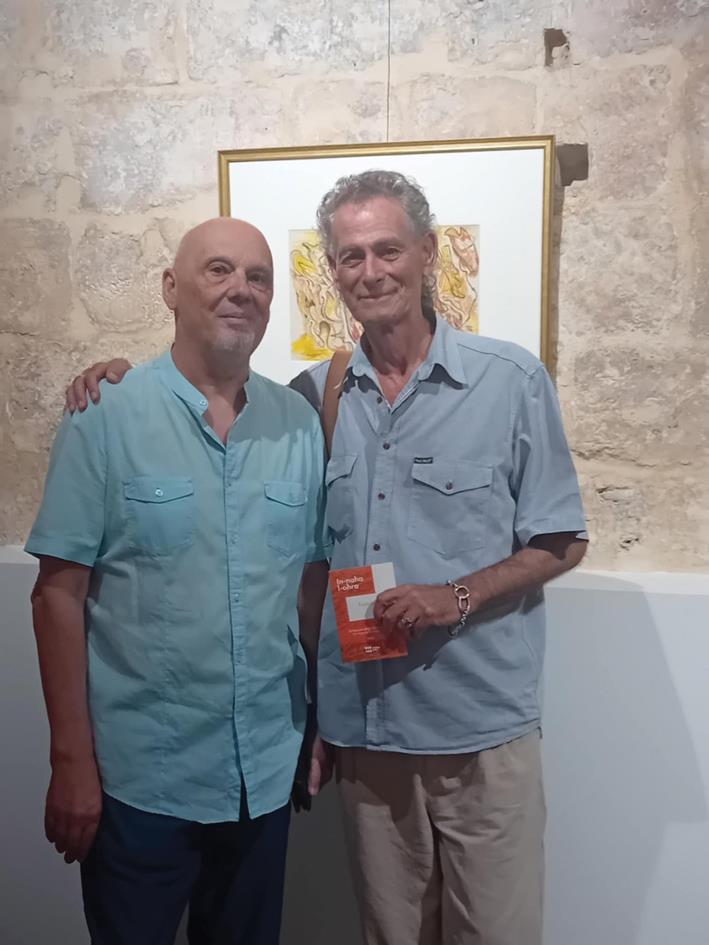
The exhibition In-Naħa l-Oħra - Francis Ebejer (The Other Side of Francis Ebejer (1925-1993), currently at Muża National Community Museum, focuses on a lesser-known dimension of his practice: his visual art. Drawings, paintings, and works on paper reveal an artist deeply concerned with form, movement and the subconscious image. While these artworks stand on their own terms, they resonate strongly with his literary imagination, particularly in the way they navigate themes of vitality and mortality, joy and loss.
Although not on display, two of Ebejer's poems, Pilgrimage and Love-Song, offer a revealing lens through which to read his paintings and drawings. These works of verse share the same oscillating emotional registers, the same interplay between precision and abandon, that animate his visual compositions.
In Pilgrimage, Ebejer confronts the fragility of life:
Penny toss
Do or die
But yet