Arts Council Malta recently hosted the Malta mobility of Re:Create Europe, a week-long programme exploring cultural policy, artistic practice and resilience through direct engagement with Malta's cultural ecosystem.
Taking place between October 6 and 12 under the theme Malta, the Mediterranean, and Beyond, the programme combined workshops, meetings, studio and institutional visits, and encounters with artists and cultural practitioners across Malta and Gozo.
The mobility formed part of Re:Create Europe, a four-year Creative Europe project bringing together ten partner organisations from across Europe to examine artistic freedom, cultural autonomy and the conditions in which artists and cultural professionals work. The 2026 programme focuses on the Transformation of Cultural Policies, looking at how cultural sectors respond to changing social, political and economic realities.
Dr Luke Dalli, Executive Chair at Arts Council Malta, said: "Re:Create Europe speaks directly to the kind of cultural development we want to support through our ongoing work on Strategy 2030. Cultural policy cannot be developed in isolation; it needs to remain responsive to the realities faced by artists, cultural professionals and organisations, while also learning from experiences and approaches beyond our own context. This mobility creates a valuable space for that exchange, allowing us to reflect on Malta's cultural ecosystem while contributing to a wider European conversation on artistic freedom, resilience and the conditions needed for a healthy and sustainable cultural sector."
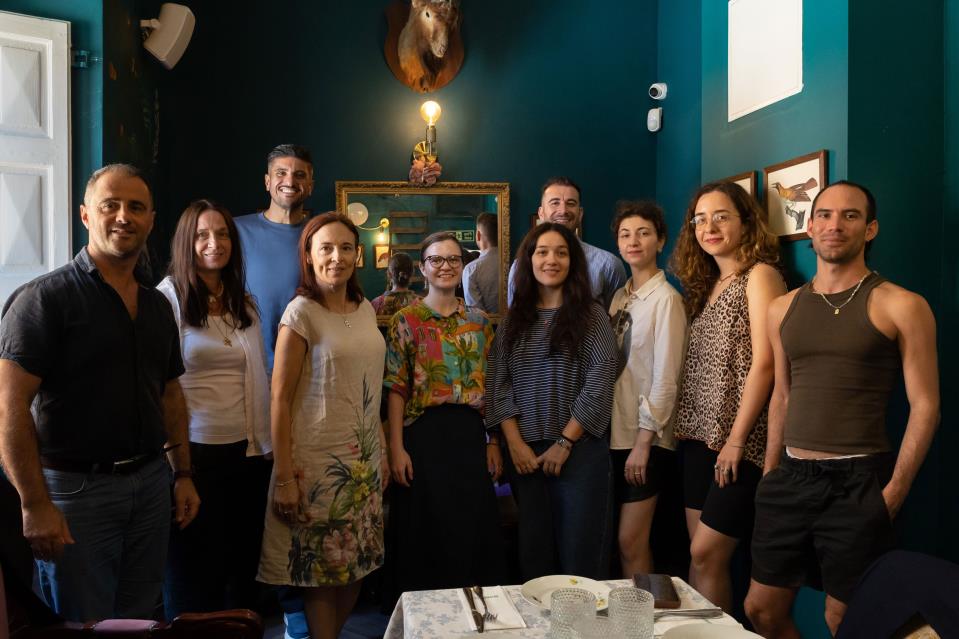
Daniel Azzopardi, Director of Strategy at Arts Council Malta, said: "The themes explored through Re:Create Europe are closely aligned with the strategic direction we are pursuing through Strategy 2030, particularly our focus on fair practices and international exchange. Fairness in the cultural sector is not only about the principles and conditions we establish locally, but also about creating meaningful opportunities for cultural professionals to connect, collaborate and develop across borders. International exchange can broaden perspectives, strengthen professional networks and bring new knowledge into Malta, while also enabling our cultural community to share its own experience and expertise with others. Initiatives such as this mobility help turn these strategic priorities into practical opportunities for dialogue, learning and collaboration."
The programme was designed to expose participants to different layers of the country's cultural landscape and to the questions shaping contemporary cultural practice. In Gozo, participants met artist Norbert Francis Attard for a workshop. Sessions at the Fawwara Centre and with the Unfinished Foundation explored sustainability, education and alternative approaches to cultural practice, while meetings at Arts Council Malta focused on strategy and future-facing developments within the cultural sector.
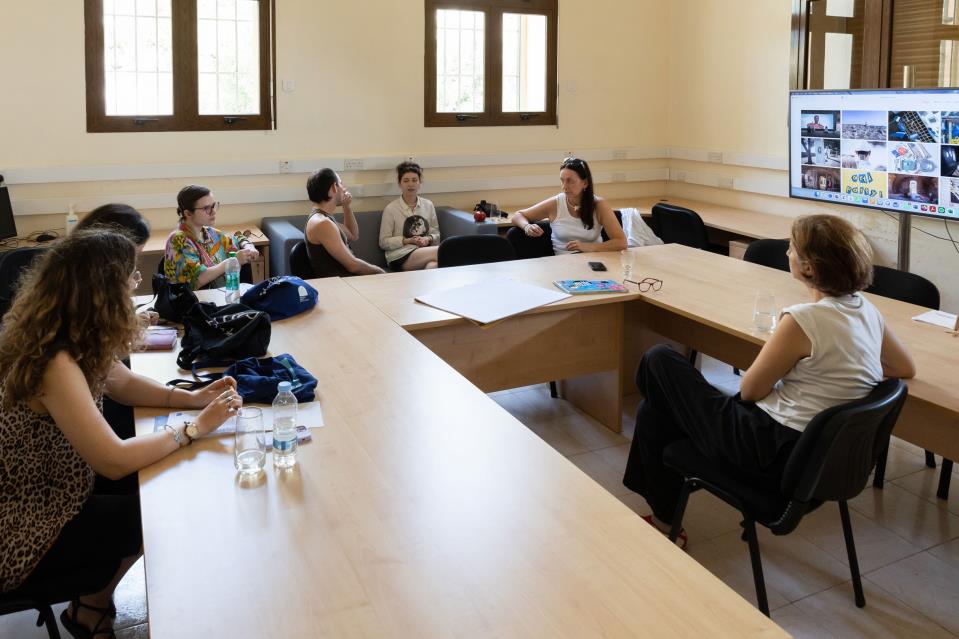
The programme also considered the relationship between public institutions, private initiatives and independent practice. Visits included St John's Co-Cathedral, MUŻA and MICAS, alongside encounters with independent cultural spaces and practitioners. Heritage, archives and collective memory were explored through visits including Ħaġar Qim and Mnajdra, the National Archives in Rabat and Mdina.
Migration and the relationship between local experience and wider global realities formed another strand, including a visit and workshop at Bur Mgħeż with Dr Omar N'Shea.
Dr Nikki Petroni, Head of Strategy at Arts Council Malta, said the programme reflected the value of international exchange as a two-way process.
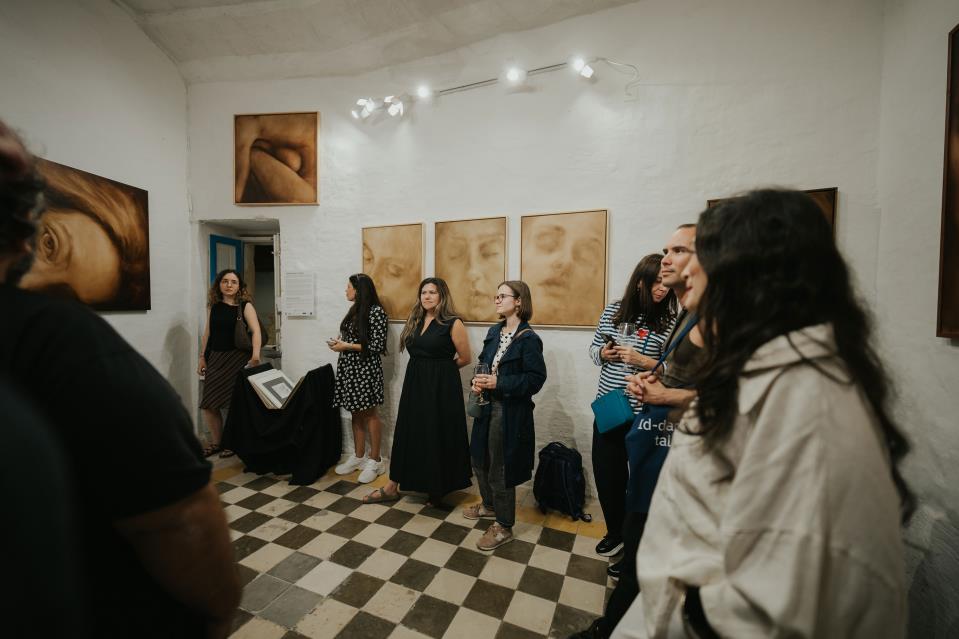
"Internationalisation is often discussed in terms of creating opportunities for Maltese artists and cultural professionals to work beyond our shores, and that remains an important part of our work. But exchange also means creating space here in Malta for ideas, experience and different perspectives to meet. Re:Create Europe gives us the opportunity to contribute our own context to a wider European discussion, while opening Malta's cultural sector to new connections and conversations."
She added that Malta's scale, geography and position in the Mediterranean offered a particularly interesting setting in which to examine questions surrounding cultural policy.
The Malta mobility was one of four Re:Create Europe residencies taking place during 2026, alongside programmes in Romania, Germany and Bulgaria. Experiences and perspectives emerging from the wider project will contribute to an ongoing European exchange around resilience, artistic freedom and the future development of cultural policy.
Through its participation in Re:Create Europe, Arts Council Malta continues to strengthen Malta's involvement in European cultural networks while creating opportunities for knowledge exchange between local and international practitioners, institutions and cultural professionals.
Re:Create Europe is co-funded by the European Union