Efficient data collection and sustainability are among the issues which need to be addressed when dealing with the management of fisheries in the EU and, by extension, on a global scale as well.
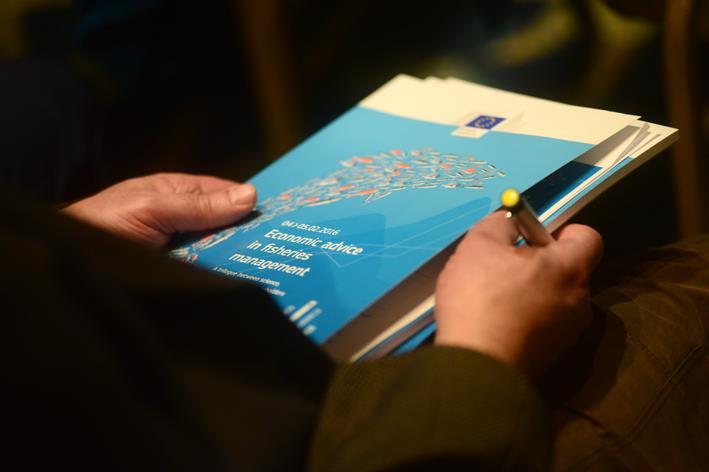
This was a common factor among participants in a conference called ‘Economic Advice in Fisheries Management’, being held at the Corinthia San Gorg Hotel.
The conference called by the European Commission addresses an increasing need for economic advice in fisheries management while focusing on the always evolving tools to produce this advice.
EU Commissioner for the Environment, Maritime Affairs and Fisheries, Karmenu Vella spoke of the need to find a balance between biological and economic data. In the past, the Commissioner said, economic advice was used as a method to defer or even avoid making difficult decisions regarding fisheries management. Policy makers are now very aware that the fishing industry is an economic agent, so now profit margins and values have to be analysed. The Commissioner appealed to the stakeholders to work together to identify all their data better and as a result find out how to eventually support fisheries as best they can.
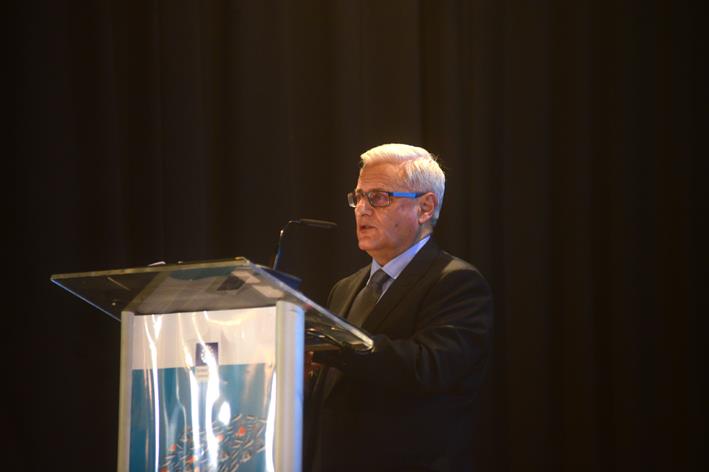
Environment Minister Leo Brincat spoke mainly about sustainability which is the “cornerstone for further development”. Mr Brincat emphasized the need for a more holistic approach to tackle the issues faced by management of fisheries in this day and age. Having all the best strategies for data collection is severely ineffective if, in the end, the strategies themselves cannot be adequately communicated to all the stakeholders.
Parliamentary Secretary Agriculture, Fisheries and Animal Rights Roderick Galdes focused more on the fishermen themselves, saying that they need to feel they are receiving a sufficient return so as not to be tempted to leave the industry in search of more lucrative opportunities. Mr Galdes said female participation needed to be encouraged and safeguarded as the only sector in which female participation is prevalent is in the artisanal aspects of fishing. He also said that Malta has a problem to upgrade its fleet and attract younger generations to fishing due to lack of funding.
Deputy Assistant Secretary for International Fisheries at the National Oceanic and Atmospheric Administration (NOAA), Russell Smith said data collection in the USA was done by region rather than a nation-wide approach. The main focus of NOAA is how to minimize the biological impact of fishing while, at the same time, maximizing the economic benefits reaped. That being said, without good, accurate data collection methods, this cannot be done.
Photos Jonathan Borg