Malta’s involvement in the removal of industrial chemicals from Libya forms part of its obligations as a member of the Organisation for the Prohibition of Chemical Weapons, a press release issued by the Foreign Affairs Ministry said.
In addition to this, Malta has a vested interest in seeing that such materials do not fall into the hands of extremists, who can use the substance to the detriment of its citizens and nearby countries.
The tonnes of chemical materials mentioned in media reports have at no point passed through Malta. In the previous weeks, this material was transported from Libya to other European countries for destruction. The transportation of such chemicals was also pertinent in order to ascertain the exact nature and quality of the chemical materials found in Libya.
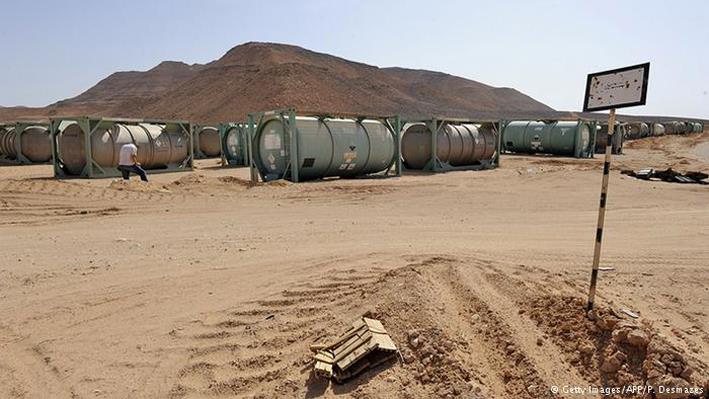
Malta, together with other European countries, accepted to receive samples that do not exceed 50 samples of 10ml. Each sample contained various substances, transported via plane to other destinations for chemical examination.
The samples were packed individually, in a way that ensures no danger and prevents them from making contact with the surrounding environment.
These packages arrived in Malta via boat, and where then transported via plane to various destinations as previously mentioned. Treatment of the samples in Malta did not take more than a few hours, with the process being observed by officials from the Organisation for the Prohibition of Chemical Weapons.
The decision for Malta to participate was settled after discussions with various chemical specialists and relevant ministers, such as the Home Affairs Minister, Health Minister, Justice Minster and the Environment Minister – as part of their responsibility to Malta.
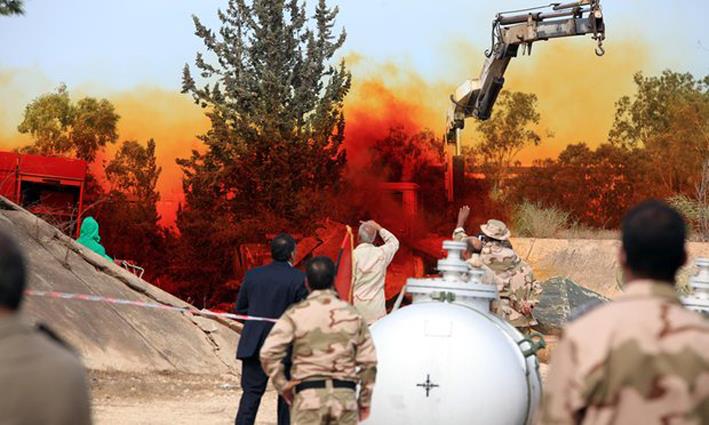
The second area where Malta participated in the transference of the chemicals was the provision of medical facilities for those who could have been affected in some why throughout the treatment of the chemical materials from Libya by sea. More specifically, it was set up to help those who are tasked with carrying the materials on board the vessel, and had to stay with it until the vessel was far out enough at sea and no longer in danger or being targeted by extremists.
Malta worked together with Denmark, Canada, Finland, France, Germany, Italy, Spain, the United Kingdom and the United States of America.