"We don't focus on where they struggle, we help them excel where they do well."
This is how photography artist and Arts the Hub coordinator Kevin Sciberras describes the philosophy behind the pilot programme designed to support neurodivergent young people through creative expression.
Speaking to The Malta Independent on Sunday, he explained that the initiative, delivered through Friends of Don Bosco Malta, with support from the Ministry for Inclusion, is still in its early stages but has already generated strong interest from families, youth workers, and artists.
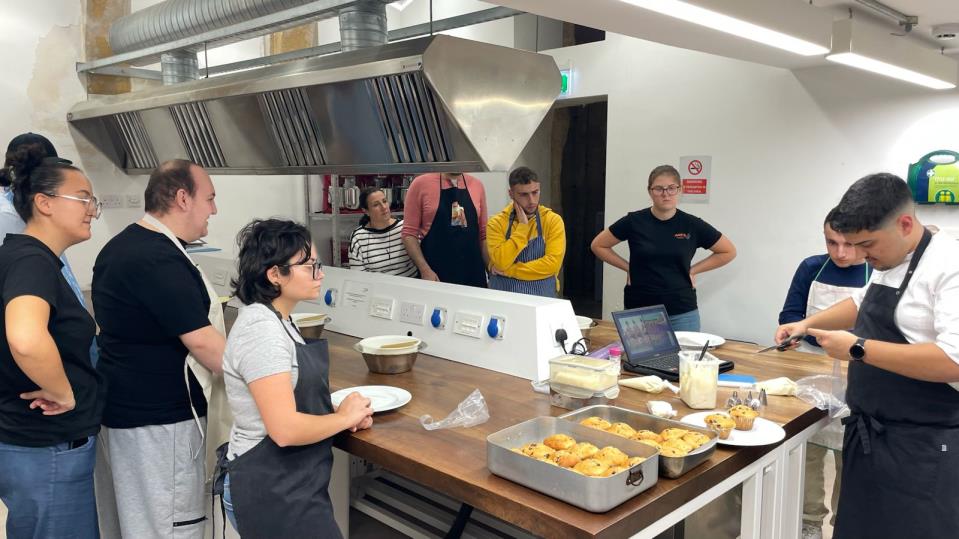
The idea, Sciberras said, emerged from both personal and professional experience: raising a neurodiverse child while working in the arts. "A few years ago, I came up with the idea of doing something more for these young people," he said, adding that he wanted to create a space where neurodivergent youths could safely explore their abilities and interests.
After drafting the concept, he approached Friends of Don Bosco, who endorsed it, and the Ministry for Inclusion and the Voluntary Sector, which agreed to support a nine-week pilot. "The support was vital," he added. "We started with a nine-week pilot project, offering nine different arts, split into age groups, and held an open day."
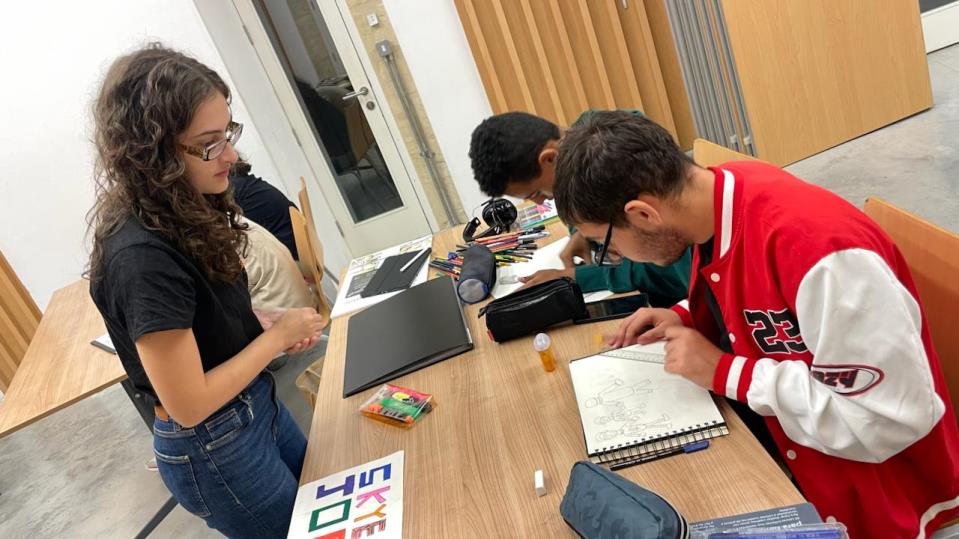
The programme currently hosts 22 participants aged between 14 and 25, divided into two groups: 14 to 18 and 19 to 25. The workshops cover nine disciplines - music production and DJing, dance, photography, culinary arts, drama, 3D game art, pottery and ceramics, comic art and animation, and singing. Sessions run from four to nine weeks depending on the art form, ensuring participants have enough time to experiment, grow comfortable, and discover their interests without pressure.
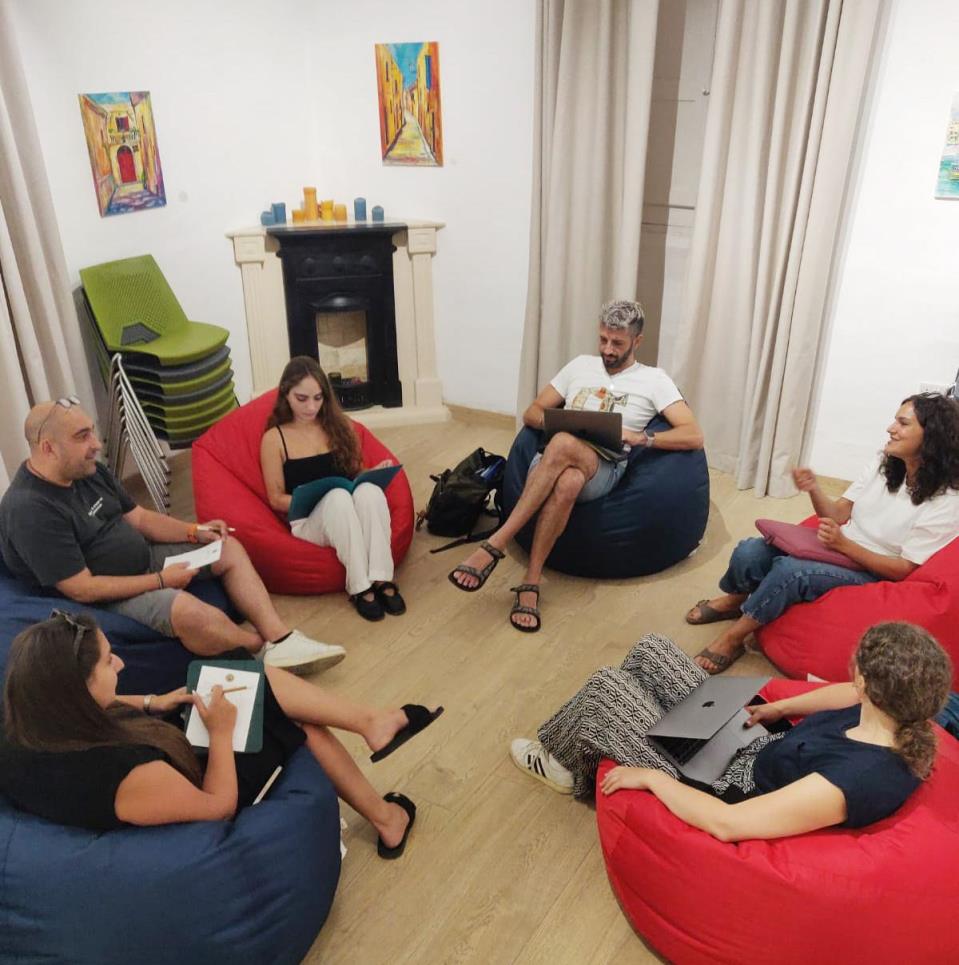
A key aim of Arts the Hub is to focus on the strengths of neurodivergent young people rather than on areas traditionally flagged as weaknesses. Sciberras believes this approach produces better outcomes: "What we are trying to do mainly is not help in the area where a youth is not doing well, but help them excel where they do well." Traditional settings often push young people to "fix" their weak points, he said, but experience has shown him that nurturing existing talents helps individuals build confidence and motivation. "We spark the art in them," he said, "and help them become aware of what they are capable of."
Parents have already noticed the impact. One mother told Sciberras: "I finally realised my son can actually do something." Such moments, he said, highlight the importance of creating an environment where young people feel safe to explore and take risks. Once they develop confidence, he added, "they might research further about it and continue growing the knowledge. We spark what hasn't been sparked yet; they try to open themselves more and think outside the box".
All artists and youth workers involved in the programme received specialised training led by Lithuanian educator Liepa Jasinskytė, who works directly with neurodivergent children and young people. Over four days, she introduced inclusive teaching methods, engagement strategies, and behaviour-management techniques. She continues to provide remote guidance as the team adapts the sessions to the participant's needs. Every workshop pairs a professional artist with a trained youth worker, ensuring both creative instruction and emotional support.
Before sessions begin, parents are consulted about their children's specific needs, triggers, or calming strategies. "We ask the parents first about any extreme cases, what helps the youth feel better, or even ask the students themselves," Sciberras said. This preparation helps manage situations such as sensory overload or tantrums, creating a controlled and reassuring environment for learning. The combination of artistic skill and youth-work training ensures each participant receives thoughtful, individualised guidance.
One early success involved a participant who initially struggled to touch clay due to sensory sensitivity. Through gradual exposure in the pottery sessions, they eventually became comfortable enough to handle and shape the clay. "Thanks to the pottery lessons, they are now capable and manage to touch the clay and practice with it," Sciberras said. For him, such examples show how creative activities can help young people overcome discomfort and develop coping mechanisms that extend beyond the workshop.
The team also found that hands-on participation, rather than instruction-heavy teaching, works best for neurodivergent learners. "When we tend to speak more than we let them act, they often get lost," Sciberras explained. Interactive learning keeps participants focused, encourages experimentation, and supports both artistic development and personal growth. This practical approach has become a core principle of the programme's teaching style.
Another important element is Arts the Hub's connection to the broader Friends of Don Bosco community. Beyond the structured sessions, the NGO regularly organises youth activities that allow participants to meet socially, build friendships, and maintain continuity outside the workshops. "One good thing is that through this programme we won't just help these youths by doing workshops," Sciberras said, "but also through Friends of Don Bosco, which organises youth activities, these people can meet again in a more social setting." Such social opportunities contribute to confidence-building and create a sense of belonging.
Looking ahead, the team hopes to expand the initiative's reach to schools and families of young people who may not have a formal diagnosis but identify with the neurodivergent spectrum. Sciberras acknowledged that this will take careful planning: "It won't be easy because it is always about who you are going to target and how you are going to target them. But as a first step for now, for this pilot project, we approached people who are diagnosed and which area of diagnosis they fall under." The long-term goal is to ensure that the programme becomes accessible to all who could benefit.
Although still in its early days, Arts the Hub is already establishing itself as a valuable resource for neurodivergent young people in Malta. By combining professional artists, trained youth workers, and a strengths-based approach, the initiative helps participants build confidence, explore creative interests, and form meaningful social connections. As Kevin summed it up: "Creativity allows them to see themselves differently. Once they start believing in themselves, everything else becomes possible."