Every year on 2 February, World Wetlands Day reminds us of this particularly rare habitat, especially in Malta, where wetlands cover less than 0.3% of our territory. In a small and densely populated country like Malta, wetlands are not only rare but also fragile and incredibly valuable. They support wildlife, protect us from the impacts of climate change, and offer people opportunities to connect with nature.
Today, Malta has only a handful of small wetlands. Among the most important are Għadira Nature Reserve and Simar Nature Reserve, both created, restored and subsequently managed by BirdLife Malta through collaboration with Ambjent Malta and the Environment and Resources Authority. These sites are protected locally and are also designated as Natura 2000 sites and Ramsar Wetlands of International Importance, recognising their value beyond our shores.
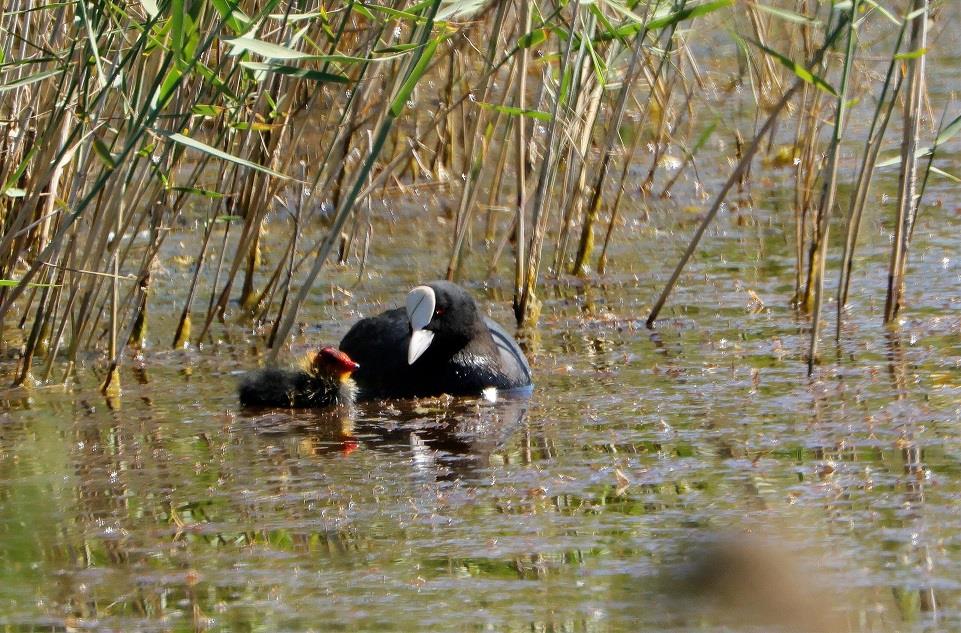
Common Coot And Young_Simar_Mario V Gauci
Wetlands act as nature's safety net. They collect and store rainwater, help recharge groundwater, reduce flooding, and improve water quality by filtering pollutants. In a changing climate, where heavier rainfall events and longer dry periods are becoming more common, wetlands increase landscape resilience. They also support agriculture by helping stabilise water availability across the wider catchment.
For wildlife, wetlands are irreplaceable. They provide feeding, resting and breeding grounds for many species of birds, including some that breed nowhere else in Malta. Species such as the Little Ringed Plover, Black-winged Stilt, Little Grebe and Common Coot are prime examples of birds that breed exclusively in wetland habitats locally. During spring and autumn migration, wetlands come alive with a remarkable diversity of birds using these sites to feed and refuel during their demanding journeys.
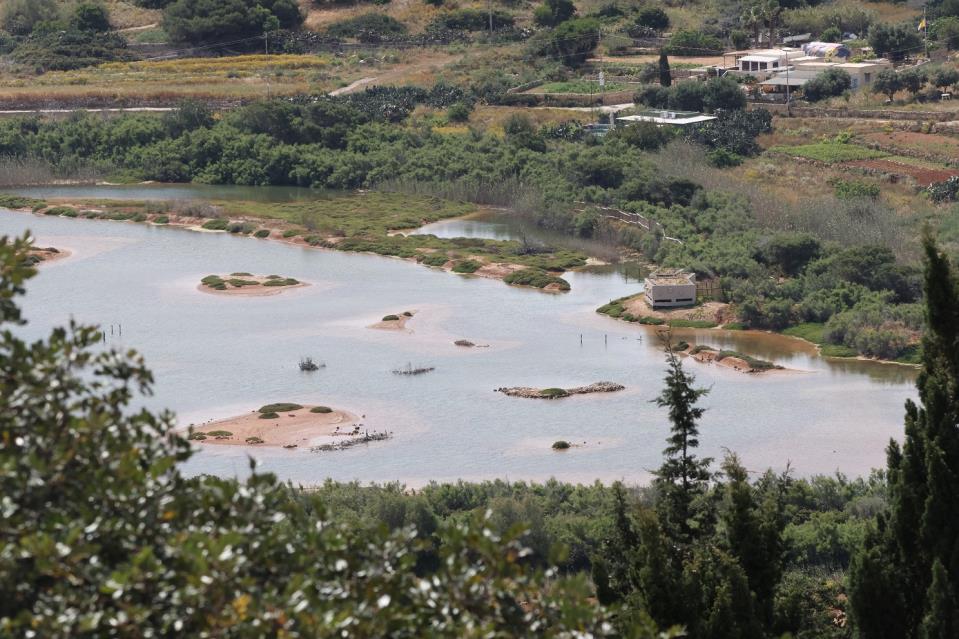
Għadira Nature Reserve_View from Red Tower Foresta 2000_AronTanti
Wetlands are not only important for birds. Their waters support large populations of the Mediterranean Killifish, Malta's national fish, which can survive in fluctuating salinity levels. Deeper pools are also home to the endangered European Eel, which arrives at the reserves as a juvenile and spends several years maturing before leaving to breed elsewhere. A wide range of specialised wetland plants also find suitable conditions in these habitats.
BirdLife Malta has played a key role in protecting and restoring these special places. Ironically, both Għadira and Simar were saved from large-scale development plans before being restored into the thriving ecosystems we see today. Decades of habitat management, restoration work and careful water control have transformed these areas. However, the challenges are ongoing. Climate change, particularly the decreasing amount of rainfall received annually, presents new pressures, which BirdLife Malta is actively working to address.
Beyond managing existing wetlands, BirdLife Malta has also helped create new ones. At Salina Nature Reserve, a small but important wetland was developed a few years ago. While nature is still taking its time to recover from the necessary interventions involved in creating canals and ponds, early signs are encouraging.
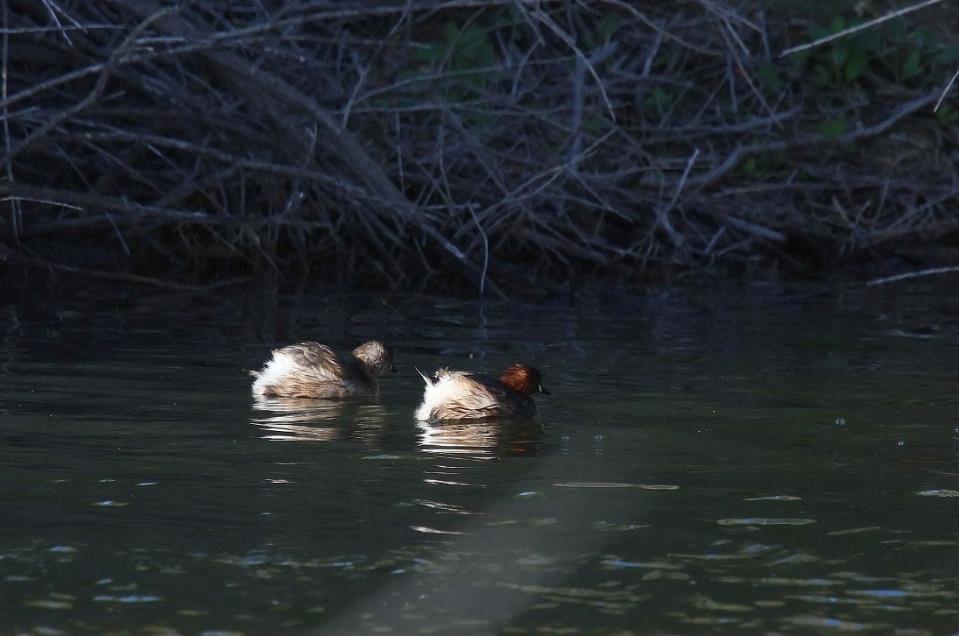
Little Grebes_Simar_Mario V Gauci
Given how rare wetlands are, they must be protected, restored and, where possible, expanded. Once lost, they are extremely difficult to replace. On World Wetlands Day, we are reminded that safeguarding wetlands is an investment in biodiversity, climate resilience and human wellbeing. In Malta, every wetland counts, and every effort to protect them matters.
To mark World Wetlands Day 2026, BirdLife Malta is inviting families and children to experience wetlands first-hand through a free public event at Salina Nature Reserve (Kennedy Grove side) on Sunday, 1 February, from 10:00 to 14:00. "Stories from the Wetland" will explore life in and around wetlands through storytelling sessions focused on wetland wildlife and habitats, complemented by short guided tours and hands-on science activities. Designed especially for young audiences and families, the event highlights why wetlands matter and how they support life, while encouraging people to connect with and appreciate these fragile ecosystems. Entry is free, with registration required for reading sessions.
Mark Gauci is Head of Land Management, BirdLife Malta
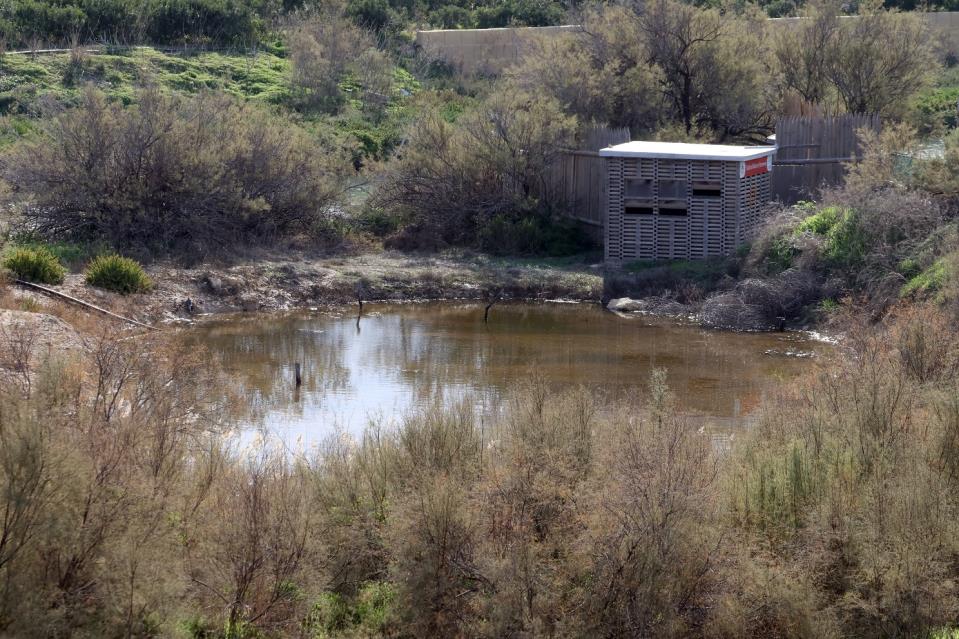
Salina wetland area_Salina_Aron Tanti